What to Pack for Yoga Teacher Training in India: The Checklist
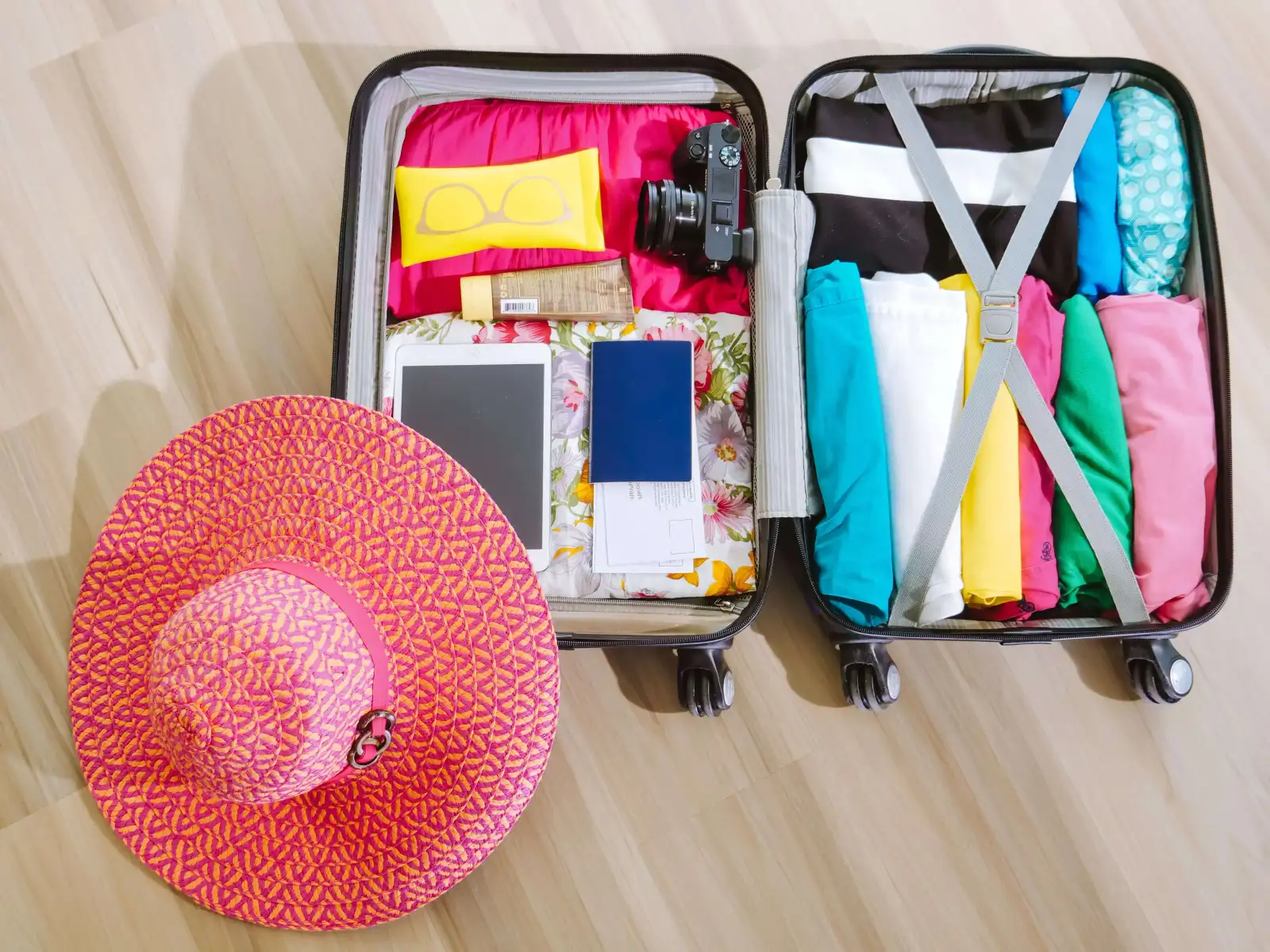
Pack light, pack modest, pack layers — and pack the documents twice. That's the whole philosophy, and everything below is detail. After receiving students from more than 50 nationalities at our Rishikesh campus, we've seen every packing mistake there is: the 30-kilo suitcase dragged up a Tapovan lane, the December arrival with no fleece, the adapter bought at triple price at the airport. This is the checklist we wish every student had — organized so you can copy it straight into your notes app or print it and tick boxes.
One honesty rule before we start: where something depends on your school's provisions — mats, props, books — we say so plainly rather than guessing. Schools differ. If you're coming to Pure Soul, ask us on WhatsApp and we'll tell you exactly what's waiting for you here.
The master checklist at a glance
Category | The non-negotiables |
|---|---|
Documents | Passport, visa printout, invitation letter, insurance, photos, cards + some cash |
Clothing | Practice wear ×4–5, modest everyday wear, layers, one warm item (winter: real warmth) |
Practice gear | Confirm with your school what's provided before packing a mat |
Health kit | Personal prescriptions, basic first-aid, stomach remedies, sunscreen, repellent |
Electronics | Universal adapter, power bank, phone, headphones — and not much else |
Extras | Journal, day bag, water bottle, quick-dry towel, laundry bag, earplugs |
Now the reasoning behind each box, because why is what stops overpacking.
Documents and money — the bag you never check in

Passport (check validity — India has generally required six months from arrival; details in our visa guide for yoga teacher training).
Visa approval printout plus a digital copy in your email.
Visa invitation letter from your school — we provide one on request with your booking confirmation.
Travel insurance documents covering your full dates.
A few passport-size photos — India runs on them (SIM cards, permits, forms).
Two payment cards kept in different bags, plus some cash. ATMs exist in Rishikesh, but card machines are not universal in small cafés and shops.
Printed course confirmation with the school's address and phone number — for the immigration form and for your taxi driver.
All of this goes in hand luggage. Checked bags go missing exactly once per lifetime, and it's always the trip that matters.
Clothing — modest, practical, layered

Rishikesh is a holy town, and dressing here is less about rules than about ease: cover shoulders and knees in town and at temples, and you'll be comfortable everywhere without a second thought. Practically:
Practice clothes ×4–5 sets. Breathable, movable, washable. Leggings and t-shirts are perfect; you'll practice twice daily, and laundry takes time (days, in monsoon).
Everyday wear: loose cotton trousers or long skirts, t-shirts and shirts that cover shoulders. Loose Indian-style cotton is cheap and excellent here — many students buy half their wardrobe after arriving.
One scarf or shawl. The single most useful item in India: temple cover-up, meditation wrap, blanket layer, pillow on trains.
Layers, always. Foothill mornings are cool even when afternoons are warm. T-shirt + fleece + light jacket covers most of the year.
Footwear: slip-on sandals you can shed at every doorway, plus one pair of walking shoes. Nothing fancy — lanes are dusty.
A modest swimsuit if you plan to dip at recognized river spots.
Seasonal adjustments matter more than any base list. In brief: December–January needs real warmth — thermals, an insulated jacket, warm socks — because buildings here aren't heated; monsoon (July–September) needs quick-dry everything, a real rain jacket and grippy sandals; high summer (May–June) needs the lightest cotton you own plus electrolyte sachets. Our month-by-month Rishikesh guide has the full season-by-season packing detail — read it after you've picked your dates.
Practice gear — ask before you pack a mat
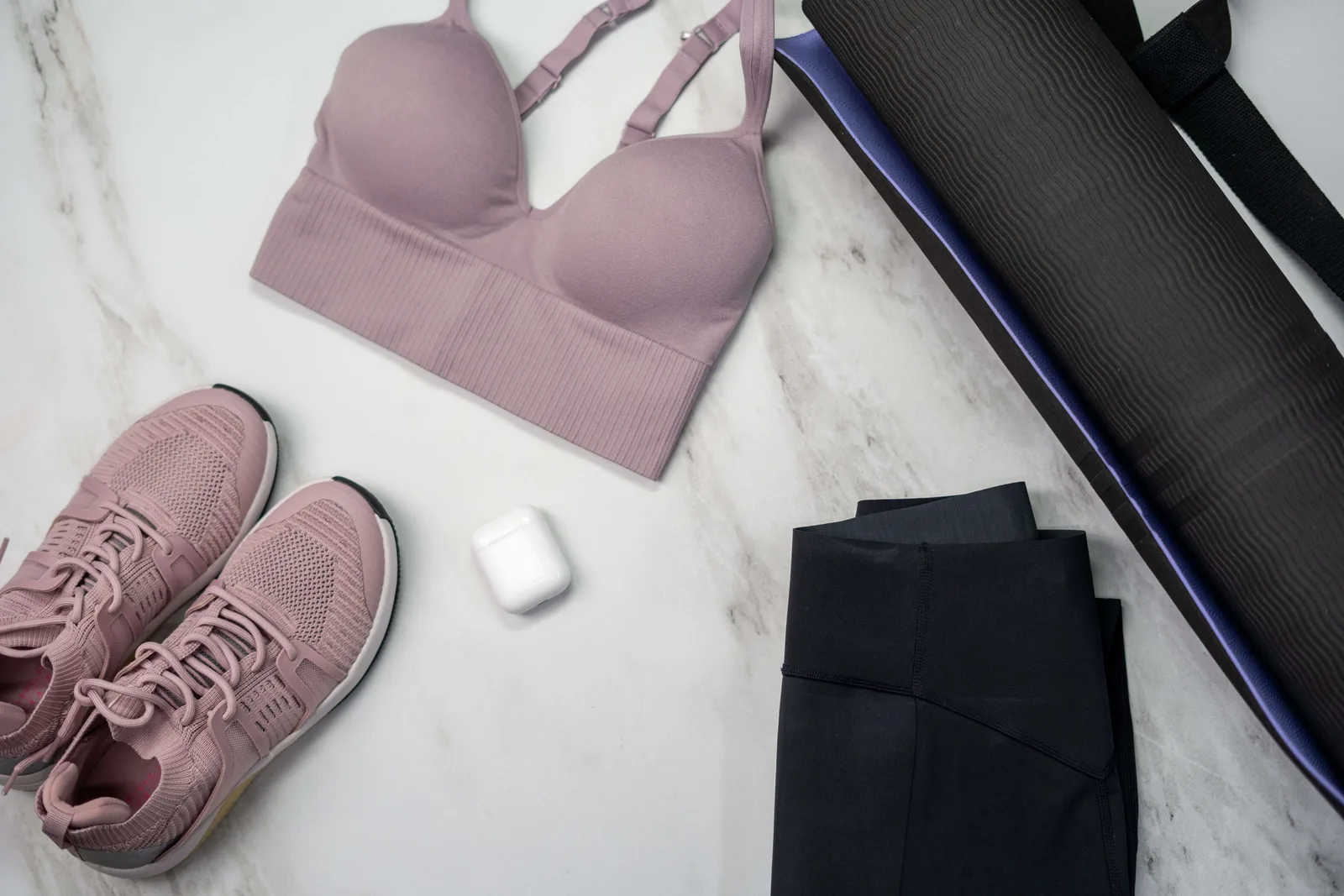
Here's where honest beats thorough: whether mats, props and course books are provided varies from school to school, so confirm with your school before giving a mat 2 kilos of your luggage. Many schools provide practice equipment; some don't; some provide mats but not the props you're used to. If you're joining us at Pure Soul, message us on WhatsApp and we'll tell you exactly what to leave at home — our 200-hour course fee includes course materials, and we'll happily confirm the practice-gear specifics for your batch when you ask.
If a particular mat is genuinely dear to your practice, bring it — familiarity has value during an intense month. Otherwise, this is the easiest weight to save.
Worth packing regardless: a notebook or journal (philosophy classes and self-study hours fill pages fast), pens, and a quick-dry towel.
Health kit — small, boring, essential
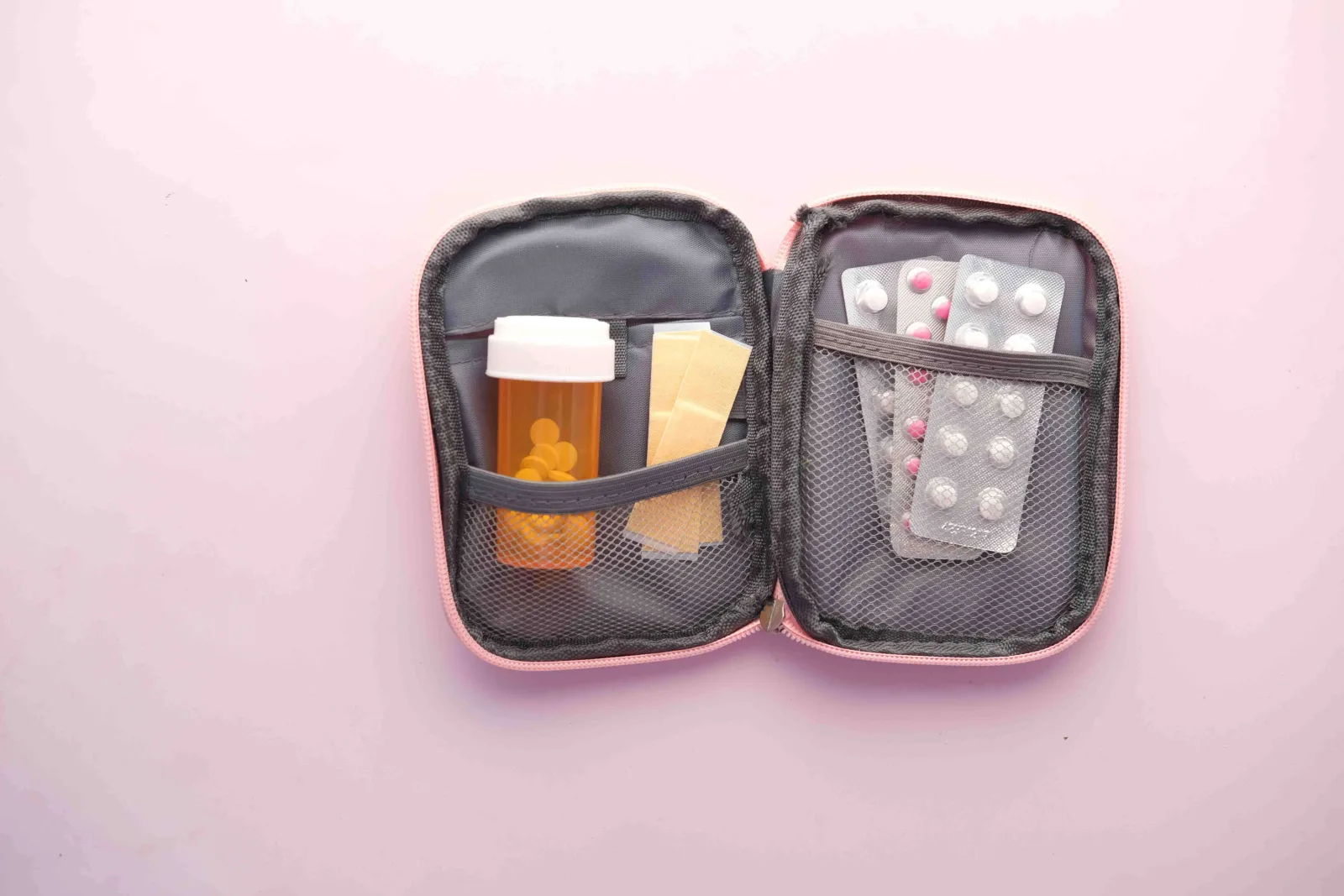
This is general packing guidance, not medical advice — talk to your doctor or a travel clinic about your individual needs before travelling.
Personal prescriptions for your entire stay, in original packaging, plus a copy of the prescription itself.
Stomach remedies: oral rehydration salts and whatever your doctor recommends for traveler's stomach. At our school, meals are cooked fresh with filtered water available around the clock — food safety is something we take seriously — but your Sunday café adventures are your own, and a small kit buys peace of mind.
Basics: plasters, antiseptic, pain relief, motion-sickness tablets for the winding airport road.
Sunscreen and insect repellent — both pricier and harder to find in familiar brands here.
Hand sanitizer and tissues — small packs, endlessly useful.
Rishikesh has decent pharmacies for anything forgotten; exact brands just vary.
Electronics — less than you think
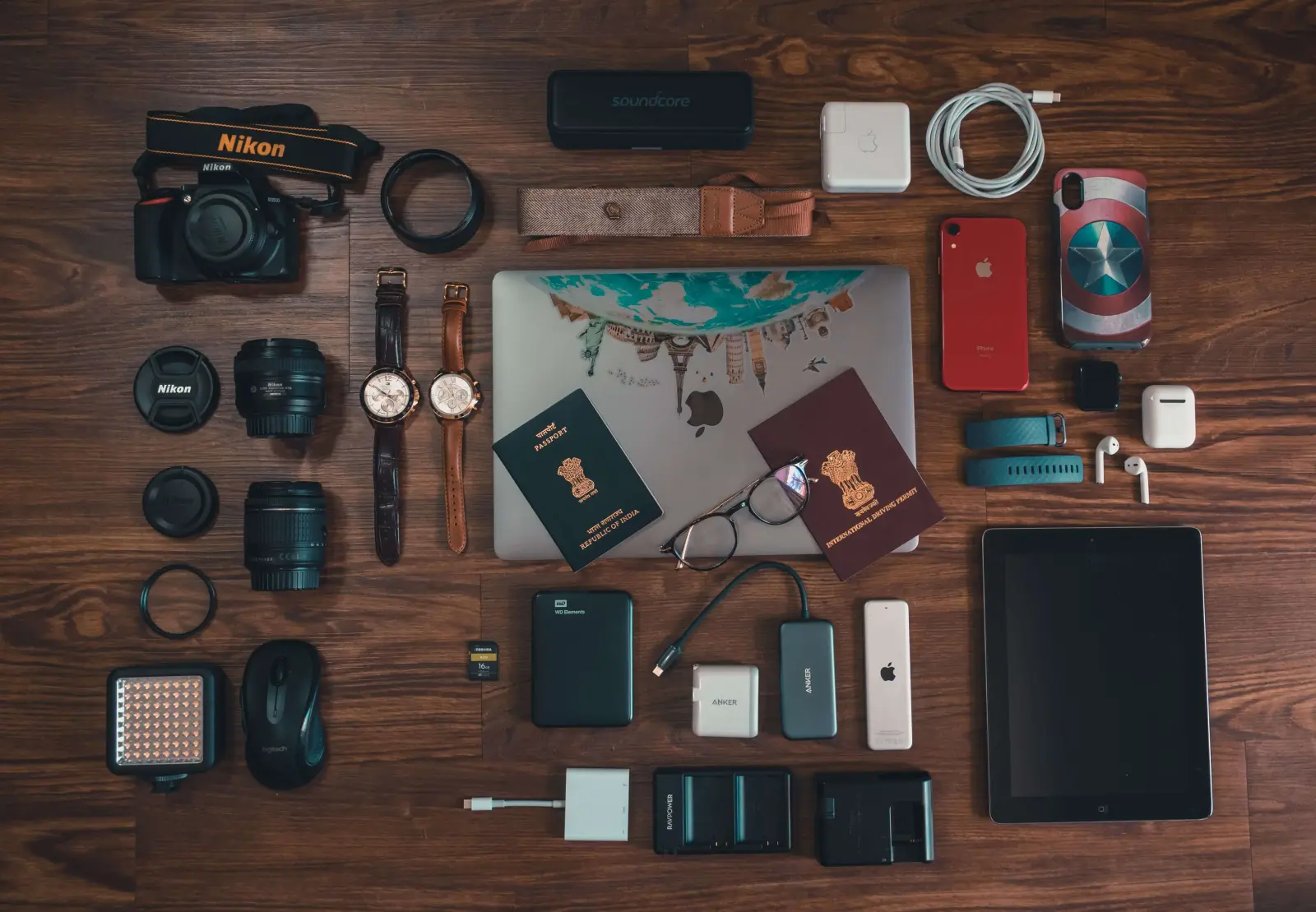
Universal power adapter. India uses round-pin sockets (types C and D, 230V); one good universal adapter with USB ports beats three cheap ones.
Power bank — for long travel days and the occasional power cut.
Phone + headphones. A local SIM or eSIM is cheap and easy with your passport and a photo.
E-reader if you read — one device instead of five books.
That's genuinely the list. Every batch, someone brings a laptop "to keep up with things" and tells us at graduation they wish they hadn't. The training days are full, and the point of a residential month is to be here.
The extras that earn their space
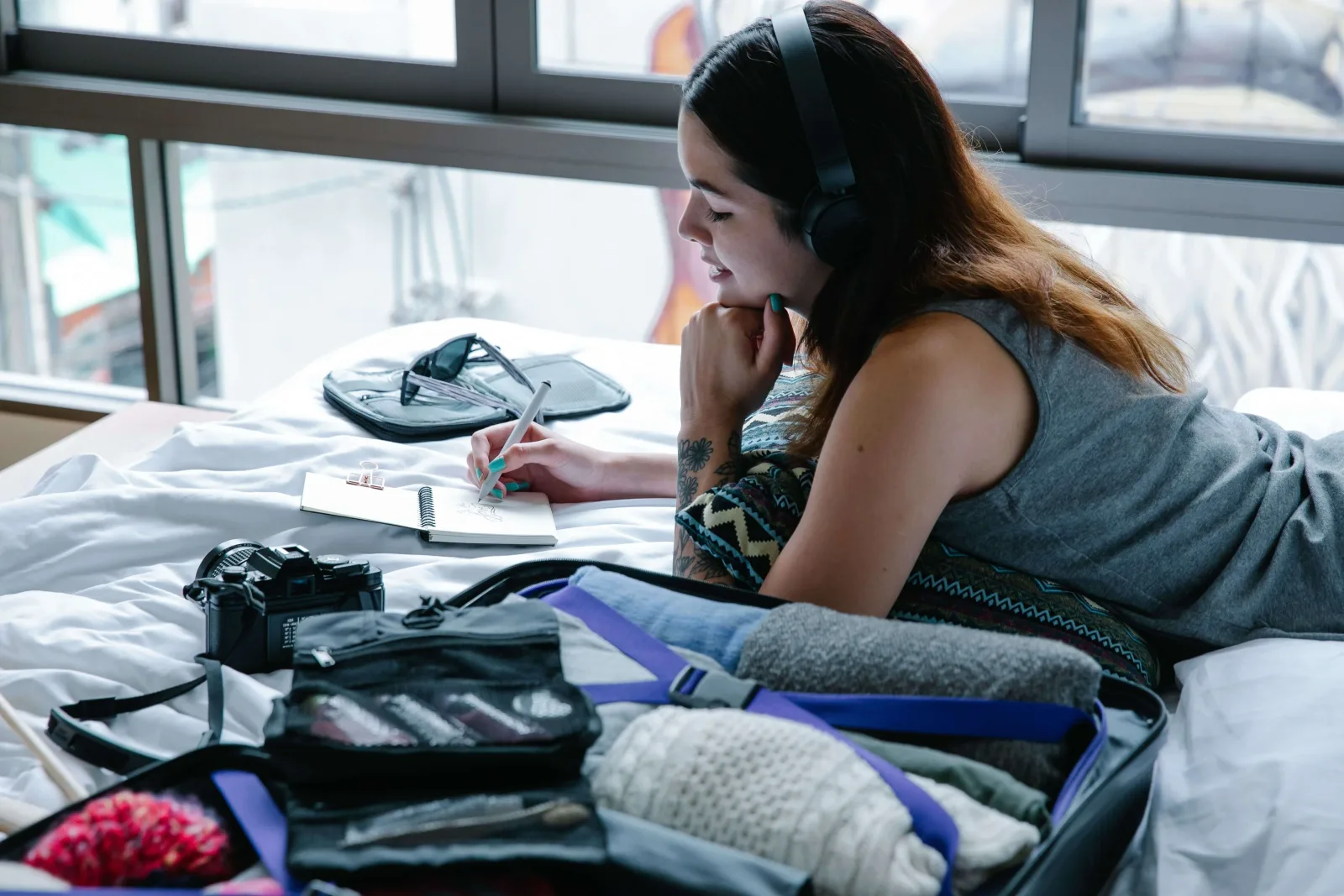
Small items, outsized gratitude — this is the category graduates mention most:
A small day bag for Sunday outings: water, scarf, sunscreen, camera, done.
Refillable water bottle. Filtered water is available around the clock at our school; a bottle you like means you actually drink enough of it at altitude-adjacent dryness.
Earplugs and an eye mask. India is gloriously alive at hours you'll want to sleep, and temple bells don't check your schedule. The single cheapest upgrade to your training.
A cloth laundry bag — keeps the room orderly and makes laundry handovers simple.
Headlamp or small torch for power cuts and pre-dawn walks to the tea terrace.
Photos from home or small gifts — entirely optional, but students who bring small tokens from their country find them lovely for new friendships formed over a month of shared meals.
A padlock for your luggage during travel days.
A tip from our teaching hall: leave a third of your bag empty. Between the loose cotton clothes, the shawls, the mala from the market and the books that find you, everyone flies home with more than they came with — and the overweight-baggage counter at Dehradun has seen many hasty repacking ceremonies.
What NOT to bring
Expensive jewellery or anything you'd grieve losing. Simple living is the aesthetic and the practice.
A month of toiletries. Shops here stock everything basic; bring travel sizes and buy locally.
Revealing practice wear as your only option. Fine in the yoga hall; you'll want cover for the walk through town.
Sleeping bag — you'll be staying in residential on-campus rooms, not camping. (If bedding specifics matter to you — winter warmth, allergies — ask us on WhatsApp and we'll tell you exactly what's in the rooms.)
Drone, speaker, or hair dryer — the first has legal complications in India, the second annoys 19 classmates, the third fights the voltage and loses.
Heavy books. Ask your school what's provided before packing a yoga library.
Frequently asked questions
What should I bring to a yoga teacher training?
The five things students most often thank themselves for: a journal, a shawl, layers for early mornings, oral rehydration salts, and a printed document set (passport copies, visa, invitation letter, insurance). The five they most regret: excess books, a second mat, a laptop, too many toiletries, and clothes that only work in a yoga studio.
How do I prepare for yoga teacher training beyond packing?
Packing is the easy third of preparation. Consistent (not advanced) practice in the weeks before, realistic expectations about the intensity, and paperwork done early matter more — our full guide on how to prepare for yoga teacher training covers physical, mental and practical prep honestly.
What is the hardest part of yoga teacher training?
Rarely what people expect. It's usually not the asana — it's the early mornings in week one, being away from home comforts, and meeting yourself in the quiet. Good packing softens exactly one of those (mornings are much friendlier with warm socks and a shawl); the rest is the training doing its work.
Pack once, then come lightly
If your bag is under 15 kilos, your documents are in your hand luggage, and your warm layer matches your month — you're ready. Everything else can be bought, borrowed, or lived without, and half the lesson of a residential month in India is discovering how little you actually need.
Booked students: message us on WhatsApp for the school-specific answers — what's provided, what's not, and anything particular to your batch's season. Still deciding? The 200-Hour Yoga Teacher Training in Rishikesh page has dates, fees and what's included; a 20% deposit reserves your seat, and the packing list will be here when you need it.
Author note (byline): Gangesha Adi (E-RYT 500) has welcomed arriving students at Pure Soul Yoga School's Tapovan campus for over a decade — and carried more than one overweight suitcase up the lane himself.