What Do You Learn in Yoga Teacher Training? The Real Syllabus
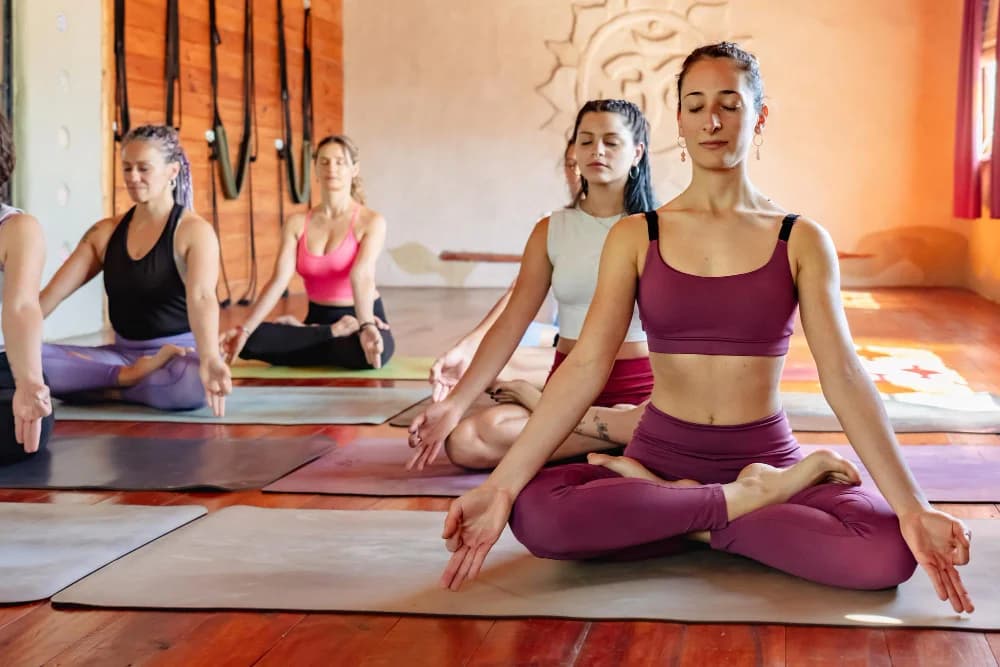
In a 200-hour yoga teacher training you learn four things: how to practice (asana across several styles, pranayama, meditation), how the body works (functional anatomy and injury prevention), where yoga comes from (philosophy, history, ethics), and how to teach (sequencing, cueing, class management, and real practice teaching in front of your peers). At a Yoga Alliance–registered school (RYS), those four areas follow a defined hour structure — so the honest answer to "what will I learn?" is not a mystery. It's a syllabus, and this article walks you through a real one.
Rather than describe some generic training, we'll use the actual curriculum of our own 200-hour course in Rishikesh as the worked example — the same structure published on its course page — with honest notes on what each subject feels like from the inside, because a syllabus lists the topics and never quite tells you the experience.
The shape of a 200-hour curriculum
Yoga Alliance organises an RYS 200 curriculum into four Educational Categories, and every registered school accounts for its hours within them. Here is how our 200-hour course divides its time:
Curriculum area | Hours (our RYS 200 syllabus) | In plain words |
|---|---|---|
Techniques, Training & Practice | 75 | Practicing: asana, pranayama, meditation, mantra, mudra, yoga nidra, cleansing practices |
Anatomy & Physiology | 30 | How bodies work in poses, and how to keep them safe |
Yoga Humanities | 30 | Philosophy, history, ethics, yogic lifestyle |
Professional Essentials | 50 | Teaching methodology, practice teaching, the business of teaching, final assessment |
School's own emphasis | remaining hours | At our school: an Ayurveda workshop and sound healing |
The training runs 23 days in residence, with classes six days a week; the 200 hours combine daily contact classes with guided self-study, following the Yoga Alliance hour structure. Different registered schools weight their emphasis differently — that's part of choosing one — but if a program can't show you a breakdown like this, keep looking. (For how 100, 200, 300 and 500-hour levels differ, see our comparison of the training levels.)
Now, what each block actually contains — and what it's like to sit inside it.
Techniques, training and practice — the largest block
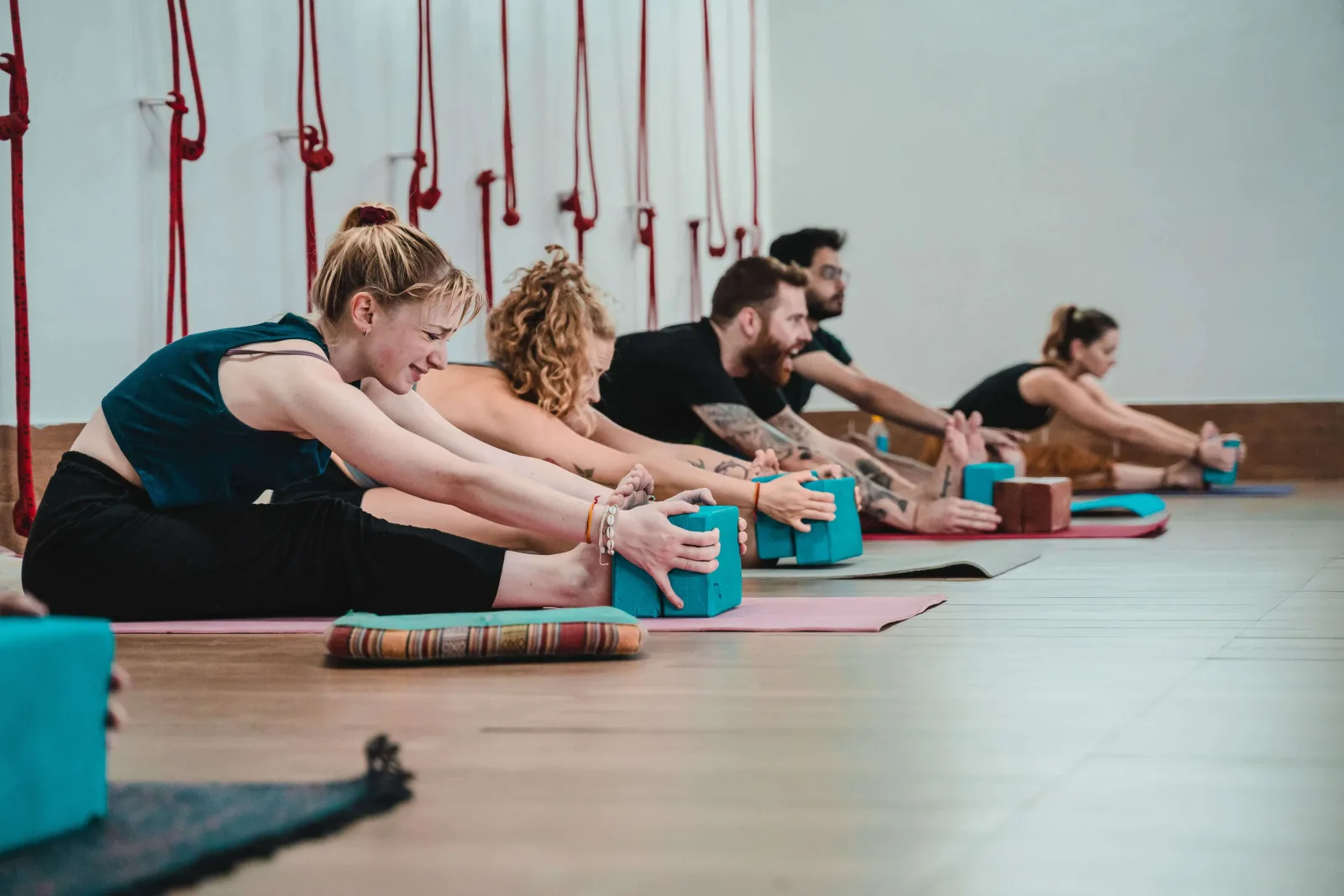
This is the 75 hours most people picture when they imagine a YTT: you, a mat, and a great deal of practice. In our course that means asana across five styles — Hatha, Ashtanga Vinyasa, Yin, Kundalini and Restorative — with alignment work and the safe use of props (straps, blocks, bolsters). The multi-style spread is deliberate: you graduate with a base broad enough to teach from, not one narrow groove.
But asana is only part of the block. You'll study pranayama systematically — techniques like Ujjayi, Nadi Shodhana and Kapalabhati, building lung capacity, focus and energy flow — plus meditation, mantra chanting and mudras, yoga nidra, and the shatkarma cleansing practices with the reasoning behind them.
The lived truth of this block: it is physical, cumulative, and humbling in week one. Morning Ashtanga at 6:40 a.m. lands differently on day nine than on day two — not because the practice got easier but because you did. Students routinely arrive fearing they're "not advanced enough"; what the block actually demands is consistency, not contortion. It is built to train you, not to test what you already are.
Anatomy and physiology

Thirty hours on how bodies actually work: bones, muscles and joints in yoga poses and how to prevent injuries; the nervous system, breath, and the mind-body connection; and biomechanics — safe movement, contraindications, and how to adapt poses for different bodies.
Honest framing: this is not medical school, and a good training doesn't pretend it is. What 30 focused hours genuinely gives you is the working anatomy a teacher needs — why knees complain in certain poses, what a joint's range of motion means for your cueing, when to say "check with your healthcare provider." Many students expect to endure anatomy and end up gripped by it, because every hour answers a question their own body had been asking for years.
Yoga humanities: philosophy, history, ethics
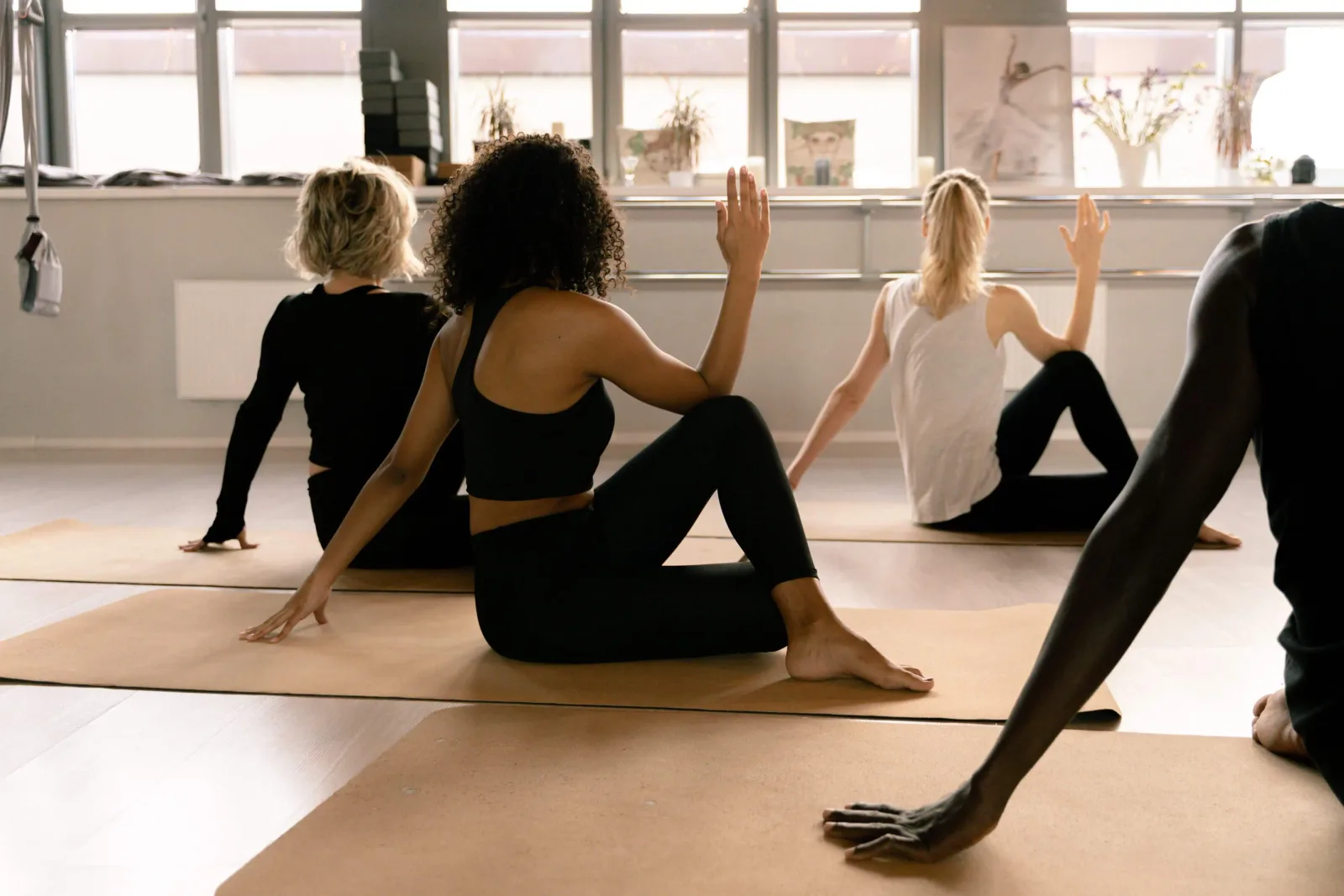
Thirty hours on where all of this comes from: the history of yoga — from the Vedas to modern practice, including what the word itself means — philosophy through key texts like the Yoga Sutras and the Bhagavad Gita, yogic lifestyle (dinacharya), and ethics for teachers, with real attention to how any of it applies to a modern life.
Here's the pattern we see every batch: philosophy is the subject students expect to be the boring one, and by the end it is many students' favourite class. Something about studying the Sutras mid-morning in Rishikesh — after you've already practiced and breathed for hours — turns abstract verses into descriptions of your own last 48 hours. This is also where "yoga is more than poses" stops being a slogan and becomes the actual content of your certificate.
A tip from our teaching hall: Read nothing in advance if you don't want to — but if you read one thing before a training, make it any translation of the Yoga Sutras. Not to master it; just to have met it. Students who've merely met the text ask sharper questions in philosophy class from day one, and sharper questions are what those 30 hours are for.
Professional essentials: learning to actually teach
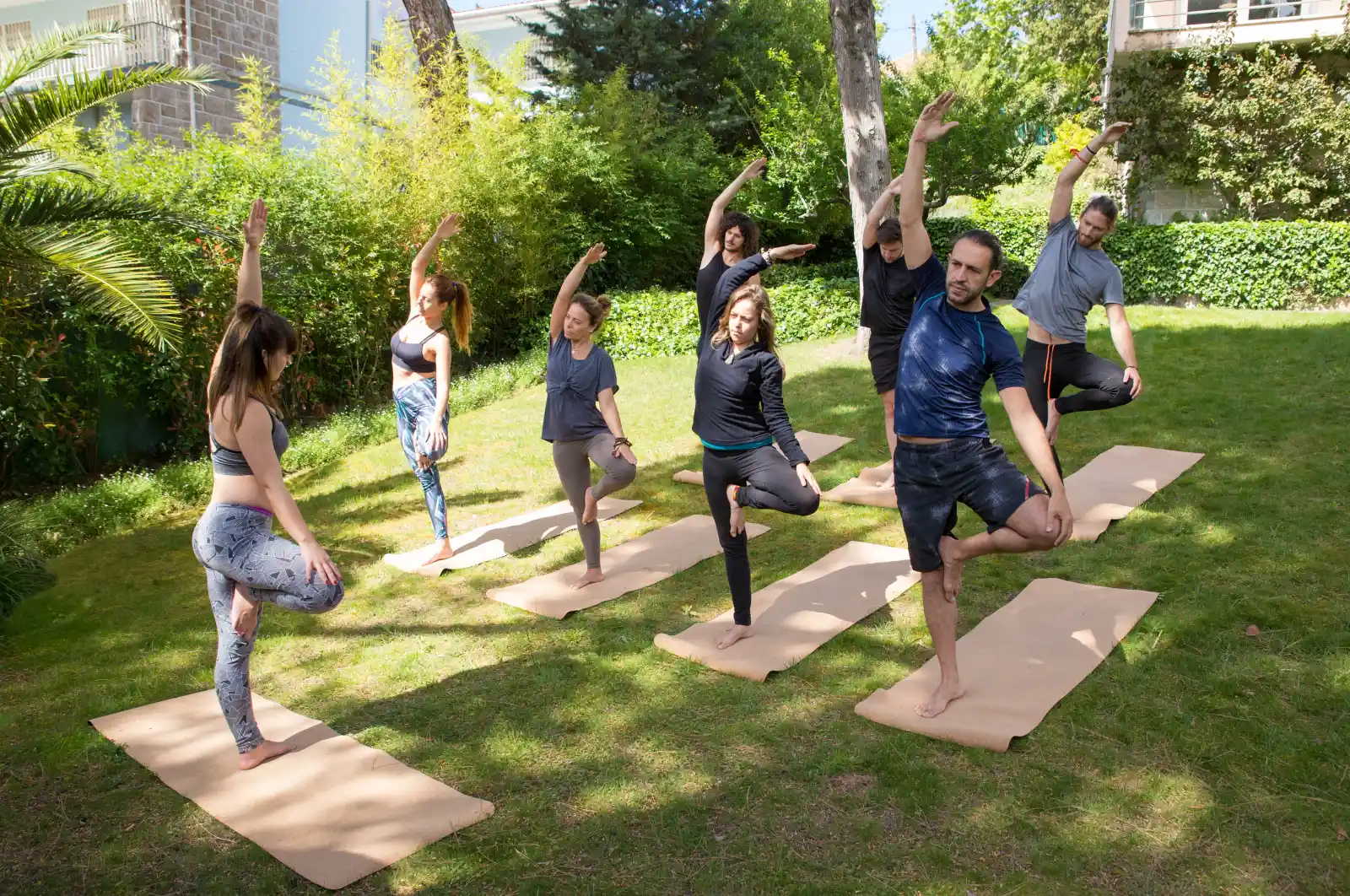
The 50 hours that separate a teacher training from a deep yoga retreat. Teaching methodology first: sequencing a class, pacing it, cueing it, and managing a room across different levels. Then the part every trainee dreads and every graduate names as the turning point — practice teaching, in groups and one-to-one, with personal feedback on what you did.
Your first practice-teach will be shaky. Everyone's is; that is what it's for. Standing in front of your cohort, voice trembling slightly, guiding twelve people through a sequence you wrote — then hearing structured feedback on your cueing, pacing and presence — compresses more learning into an afternoon than a month of solo practice. By the final week the same exercise feels natural, which is the entire point of doing it inside the training rather than alone in your first paid class.
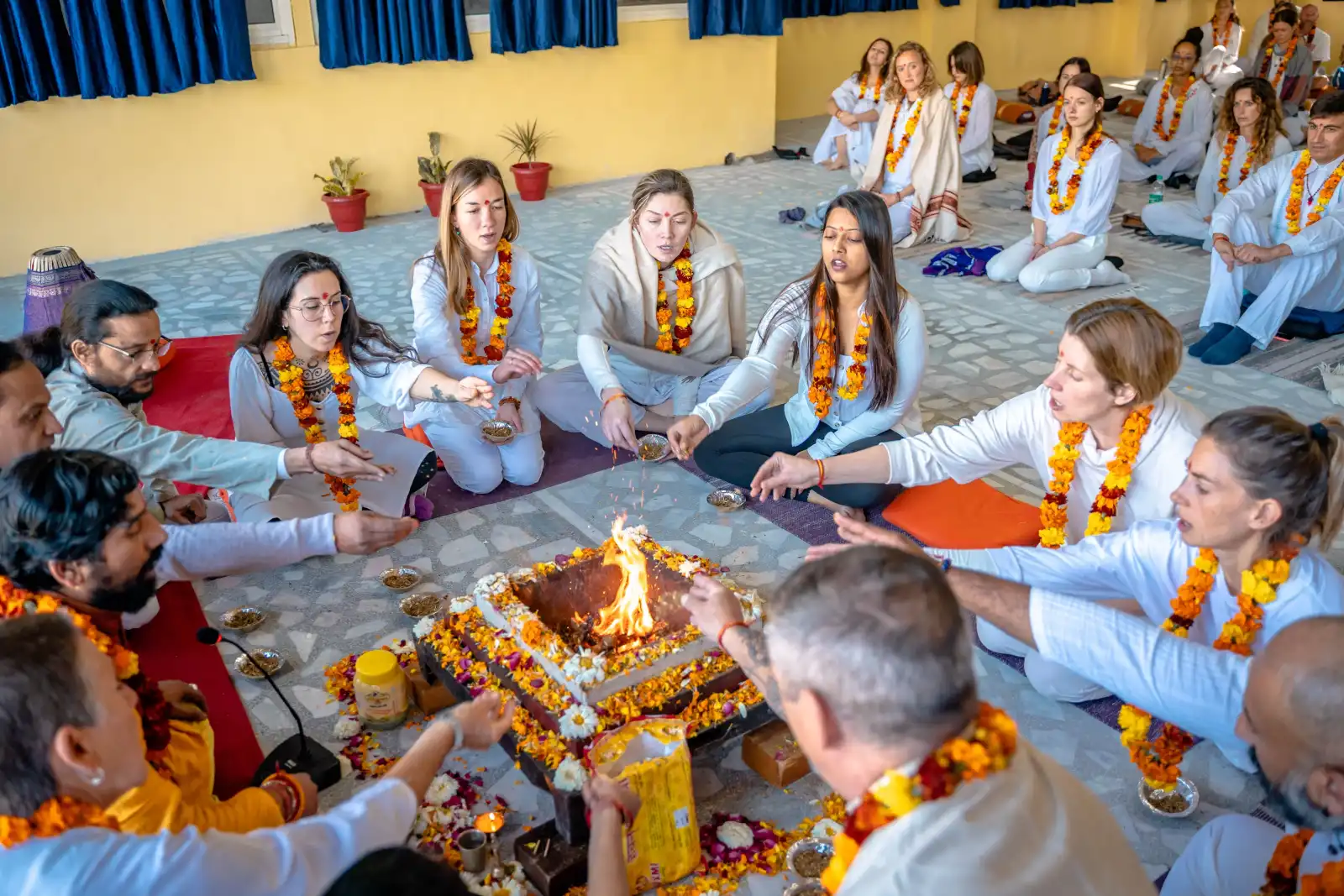
This block also covers the business of teaching yoga and continuing education, plus your path to RYT-200 registration — after passing, you're eligible to register with Yoga Alliance as an RYT 200 (the school certifies you; Yoga Alliance registers you). It closes with the final assessment: written exercises, a practical asana test, and a supervised teaching demonstration. Our teachers prepare you for each step of it — the assessment exists to confirm your readiness, not to trip you.
The extras that don't fit a category
The remaining hours of our syllabus go to the things we'd want any student leaving India to have experienced: an Ayurveda workshop — the three doshas (Vata, Pitta, Kapha) and nutrition for energy and clarity — and a sound healing session, along with meditation beside the Ganga. Every school fills its emphasis hours differently; ask any school you're considering what theirs are, because this is where a training's personality lives.
What a training day looks like
Curriculum hours are abstract until you see them stacked into a day. Ours runs from herbal tea at 6:25 a.m. through morning Ashtanga and pranayama, philosophy mid-morning, alignment work at midday, mantra and Hatha in the afternoon, meditation or yoga nidra as the light fades, dinner, self-study, and lights off at 10 — six days a week, with Sundays off. We've written an unvarnished hour-by-hour account, including the parts brochures skip, in a day in the life at our school.
The rhythm is the hidden subject of the syllabus. Living the schedule for 23 days teaches discipline no single class could — most graduates say the routine itself changed them as much as any subject on the timetable.
What you won't learn (honestly)
A trustworthy answer to "what do you learn" includes what 200 hours cannot do:
You won't master advanced asana. A 200-hour course makes you a safe, clear teacher of foundational practice — not an advanced practitioner. That confusion causes needless pre-course anxiety in students and needless disappointment in a few; neither is necessary.
You won't leave with teaching confidence fully installed. You'll leave competent — able to sequence, cue, and hold a class. Confidence arrives over your first months of real teaching, and no honest school promises otherwise.
You won't be qualified for every specialty. Prenatal, children's and therapeutic teaching each deserve dedicated further training beyond a 200-hour foundation.
You won't get a business in a box. You'll learn the essentials of the teaching profession, but building a student base takes the same slow honest work as any craft.
None of this is a flaw in the 200-hour format — it's what "foundation" means, and knowing it beforehand is the difference between finishing your training satisfied and finishing it surprised. If you're wondering how to get ready for all of the above, our guide on how to prepare for yoga teacher training covers the physical, mental and practical groundwork.
Frequently asked questions
What is the hardest part of yoga teacher training?
For most students it isn't the poses — it's the first week's adjustment to the schedule (early mornings, full days, physical volume) and the vulnerability of practice teaching in front of peers. Both get dramatically easier with repetition; both are also where graduates say the real growth happened.
Is yoga teacher training difficult?
It's demanding rather than exclusive: long structured days, physical practice, study, and an assessment at the end. It does not require advanced poses or prior teaching experience — our 200-hour course accepts sincere beginners, and the curriculum is built to take you from wherever you start.
Can you make good money being a yoga instructor?
Some teachers build solid full-time livings — usually by combining group classes with privates, workshops, or a specialty — while many others teach part-time alongside other work, especially in their first years. Income grows with experience, reputation and focus; treat the first year as an apprenticeship, not a payday.
What is the average pay for a yoga teacher?
It varies too widely by country, city and format for one honest number — per-class rates in a small town and salaried studio positions in a major city are different worlds. Rather than an average, look up class rates at studios where you'd actually want to teach; that local number is the only one that will apply to you.
Do you learn philosophy and meditation, or just poses?
A registered 200-hour curriculum is much more than asana: our syllabus gives 30 hours to philosophy, history and ethics, and substantial practice time to pranayama, meditation, mantra and yoga nidra. If a program you're considering is asana-only, it isn't teaching the full foundation.
Can a complete beginner join a 200-hour training?
At our school, yes — no prior certification or experience is required, just a genuine interest, basic fitness for daily practice, and working English. What matters is willingness to live the training fully for its 23 days.
See the full syllabus for yourself
If this walk-through matched what you're looking for, the complete version — full curriculum, daily schedule, dates, fees and FAQs — is on our 200-Hour Yoga Teacher Training in Rishikesh page: Yoga Alliance–registered (RYS 200), maximum 20 students per batch, starting on the 7th of every month in Tapovan above the Ganga. And if you have a question the syllabus doesn't answer — about readiness, food, the schedule, anything — message us on WhatsApp. Real teachers answer, and no question is too basic.
Author note (byline): Gangesha Adi (E-RYT 500, RCYT, RPYT, YACEP) founded Pure Soul Yoga School and has taught every block of this syllabus to students from more than 50 nationalities — this article describes the curriculum as it is actually taught, not as brochures describe it.