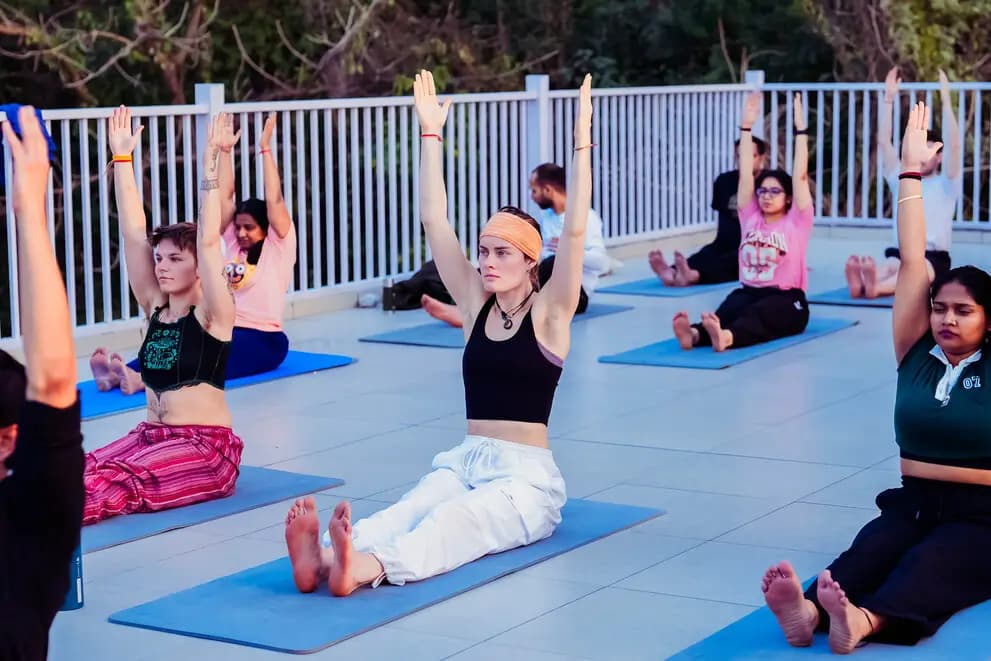
100 vs 200 vs 300 vs 500 Hour Yoga Teacher Training, Explained
The numbers are simpler than they look: they count the hours of structured training in a course, and they stack. A 100-hour course is a foundation — half of the journey to teaching. A 200-hour is the internationally recognised standard to begin teaching yoga. A 300-hour is the advanced training you take after a 200-hour. And a 500-hour is simply the 200 and the 300 combined — either earned over the years or completed in one long immersive stay. That's the entire system.
The real question is which one fits your life right now — your experience, your leave days, your budget and your intentions. This guide compares all four honestly, with the actual durations and fees from our own Rishikesh courses so you're comparing real numbers, not vague ranges, and ends with a plain-language chooser.
In this guide: - First, the terms: RYS, RYT and what Yoga Alliance actually does - The four levels at a glance (comparison table) - 100-hour: the honest half-step - 200-hour: the teaching standard - 300-hour: the advanced training - 500-hour: the whole path in one stay - Which should you choose? - FAQ
First, the terms: RYS, RYT and what Yoga Alliance actually does
Worth getting exactly right, because course marketing often blurs it. Yoga Alliance registers — it doesn't certify. Your school issues your certificate when you complete a training. If that school is a Registered Yoga School (RYS) — like Pure Soul, registered as an RYS 200, RYS 300 and RYS 500 — then after graduating you can register yourself with Yoga Alliance as a Registered Yoga Teacher (RYT).
The ladder works like this:
Complete a 200-hour training at an RYS 200 → eligible to register as RYT 200.
Add a 300-hour training at an RYS 300 (or complete a combined 500-hour program covering both) → eligible to register as RYT 500, the highest standard teaching credential.
The 100-hour sits below this ladder — a genuine certificate of completion, but not by itself a Yoga Alliance registration level. Its value is as a first half, which we'll come to.
The four levels at a glance
Durations and fees below are the real figures from our Rishikesh courses — fees are "from" the shared-room rate for international students (the 100-hour includes a private room for everyone), and every course includes accommodation and daily vegetarian meals.
Course | Duration | Best for | Certification outcome | Fee (Rishikesh) |
|---|---|---|---|---|
12 days (7th–18th of the month) | Practitioners with limited leave; testing the waters before committing | 100-hour certificate — first half of the 200-hour pathway | from $730 / ₹45,000 (private room included) | |
23 days (7th–30th, monthly) | Anyone ready to become a yoga teacher — no prior certificate needed | 200-hour certificate → eligible to register as RYT 200 | from $1,200 / ₹55,000 | |
27 days (7th–3rd; batches in May, Sep, Dec) | 200-hour graduates ready to go deeper | 300-hour certificate → with your 200-hour, eligible to register as RYT 500 | from $1,280 / ₹60,000 | |
58 days (about 8 weeks, two stages) | Dedicated practitioners who want the complete path in one stay | Two certificates (200-hour + 300-hour) → eligible to register as RYT 500 | from $2,400 / ₹1,10,000 |
All four reserve your seat with a 20% deposit, with the balance payable on arrival, and run in small batches of maximum 20 students.
100-hour: the honest half-step
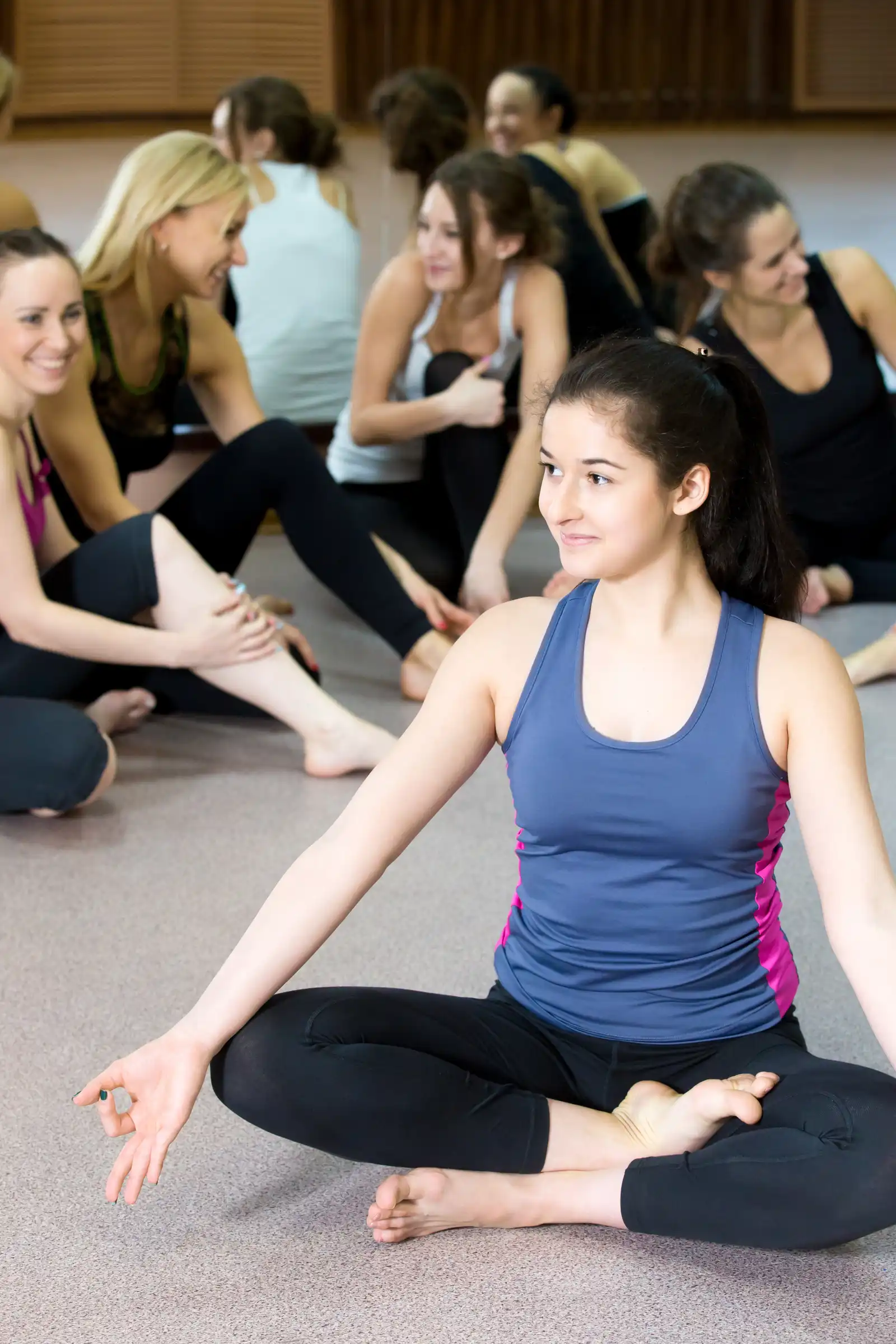
Twelve days. That's the whole commitment — and it's precisely why the 100-hour exists. Not everyone can leave their job, children or life for a month, and a 100-hour course fits inside two weeks of annual leave.
Here's the honesty the industry sometimes skips: a 100-hour certificate alone does not qualify you to teach. The 200-hour is the international standard for that. What a good 100-hour gives you is a certified foundation — the first half of a 200-hour curriculum, taught properly rather than compressed — and, if it's structured as ours is, a real pathway rather than a dead end: complete these 12 days, return for a later batch to finish the remaining hours, and you earn the full 200-hour certificate, making you eligible to register as an RYT 200.
At our school every 100-hour student stays in a private room (included in the fee), which makes these twelve days equally suited to someone testing the teaching path and someone simply wanting a structured immersion in their own practice.
Choose the 100-hour if: you can't take a month off, you want to confirm teacher training is right for you before fully committing, or you'd rather split the cost and the journey into two comfortable parts. Full details on the 100-Hour Yoga Teacher Training in Rishikesh page.
200-hour: the teaching standard
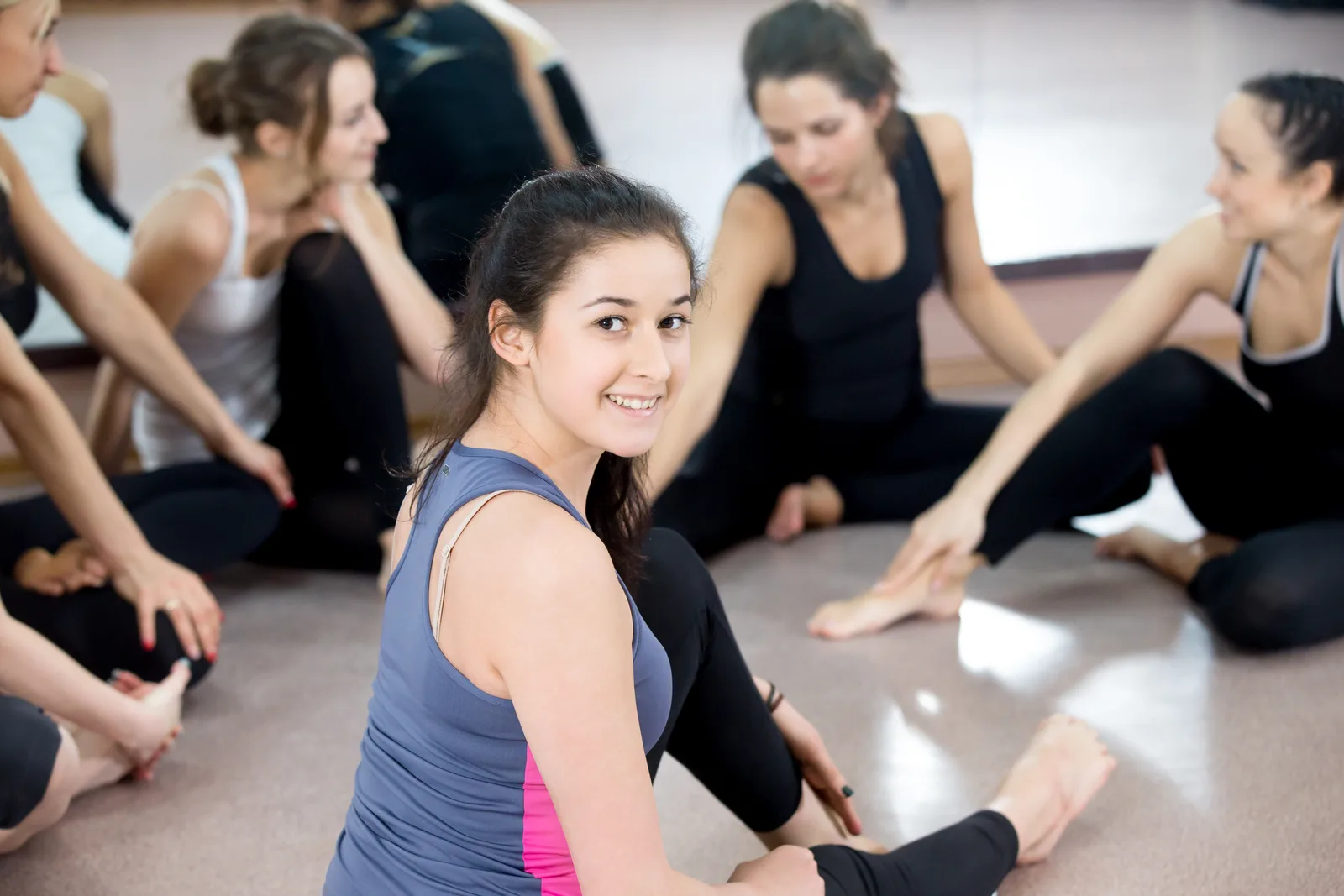
If you already know you want to teach — or you want the deepest possible immersion in yoga as a student — this is the course the whole system is built around. The 200-hour is the internationally recognised foundation credential: complete it at a Yoga Alliance–registered school (RYS 200) and you become eligible to register as an RYT 200 and teach worldwide.
Ours runs 23 days, from the 7th to the 30th of every month, and is deliberately multi-style — Hatha, Ashtanga and Yin — because a teacher who has felt the differences between styles teaches any one of them with more understanding. Days are full: morning practice, pranayama, philosophy, anatomy, alignment and teaching methodology, with Sundays free. You need no prior certificate to join, and no advanced practice either — sincerity and consistency matter far more (we've written a whole guide on how to prepare for yoga teacher training, and its first message is "you're more ready than you think").
Choose the 200-hour if: you want to teach, full stop — or you want the complete foundational training even without teaching plans. It's the single most useful credential in yoga and the prerequisite for everything above it. Dates, curriculum and fees are on the 200-Hour Yoga Teacher Training in Rishikesh page.
300-hour: the advanced training
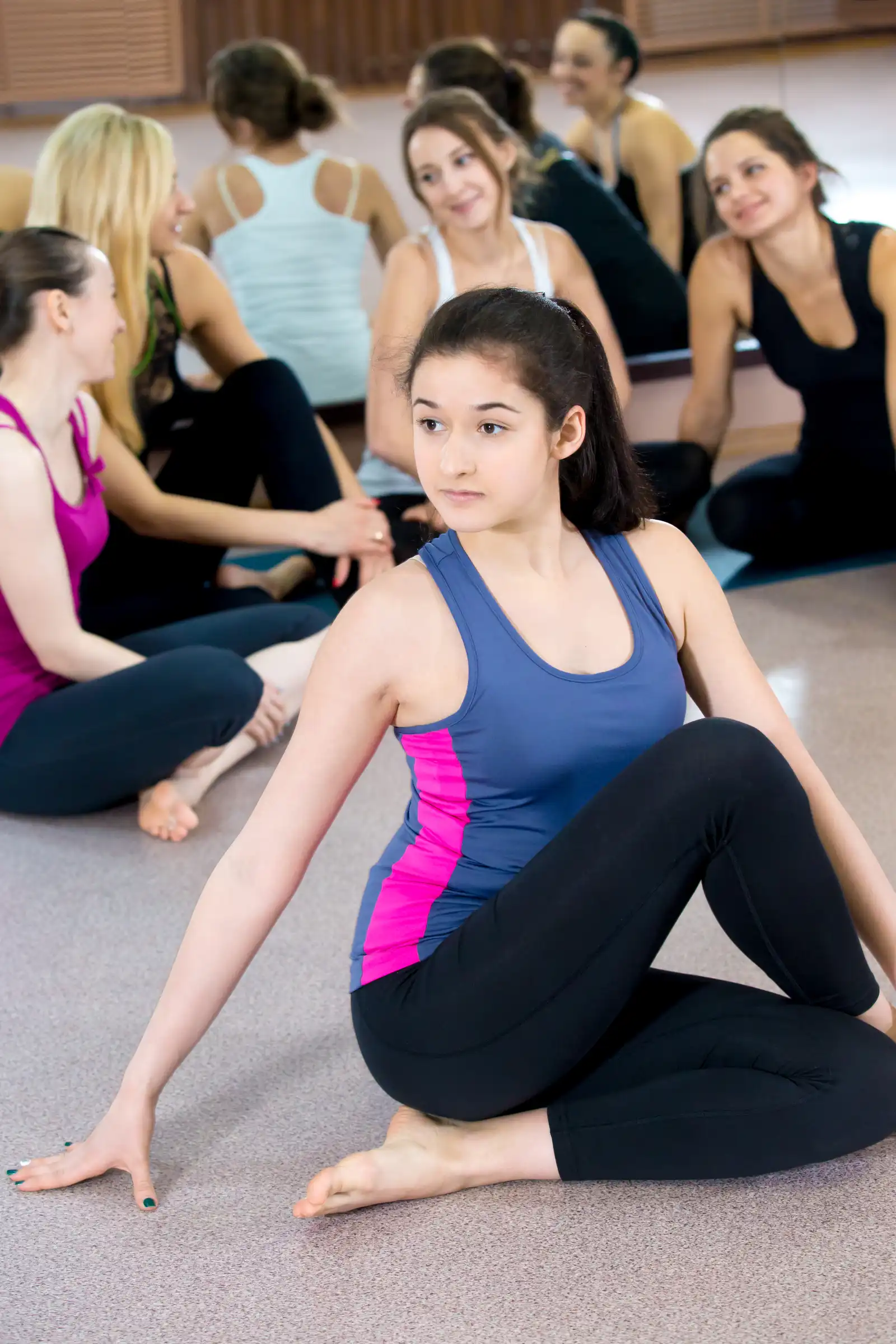
The 300-hour is not "the 200-hour again, but longer." It assumes the foundation and builds on it: subtler techniques, deeper philosophy, advanced asana and pranayama, the bandhas, and — most importantly — the refinement of your own teaching voice. It's for 200-hour graduates, and most students arrive after some real teaching (or committed practising) time, carrying questions the 200-hour raised.
Ours runs 27 days, from the 7th of the month to the 3rd of the next, in three batches a year — May, September and December — and moves across advanced Hatha, Ashtanga Vinyasa, Yin and Restorative practice. It closes with a structured assessment: written work, a practical asana test and a supervised teaching demonstration. On passing, you hold a 300-hour certificate from an RYS 300 — and together with your existing 200-hour, that makes you eligible to upgrade your registration to RYT 500, the highest standard teaching credential.
Choose the 300-hour if: you already hold a 200-hour certificate and feel the pull to go deeper — for your teaching, your practice, or the RYT 500 credential that opens senior teaching roles. Details on the 300-Hour Yoga Teacher Training in Rishikesh page.
500-hour: the whole path in one stay

The 500-hour is the complete, master-level path taken as one immersion: 58 days — about eight weeks — covering the full 200-hour foundation stage, a rest and integration week, and then the 300-hour advanced stage. You arrive as a dedicated practitioner (no prior certification needed) and graduate holding two certificates — your 200-hour and your 300-hour — which together make you eligible to register as an RYT 500 with Yoga Alliance USA.
Two honest observations from watching students walk this path. First, the momentum is real: staying in the training container for eight weeks, with a rest week in the middle, produces a depth that two separate courses spread over years reach differently. Second, it isn't for everyone — eight weeks is a serious commitment of time, and there's a fair argument for teaching between your 200 and 300 so your advanced training lands on real classroom experience. Both roads end at RYT 500; neither is wrong.
Financially, the combined course costs less than taking our 200-hour and 300-hour separately, and the practical overhead — flights, visas, settling in — happens once instead of twice.
Choose the 500-hour if: you can dedicate about eight weeks, you're certain about the teaching path (or about wanting yoga's complete training), and you'd rather build the whole foundation in one sustained arc. The full structure is on the 500-Hour Yoga Teacher Training in Rishikesh page.
Which should you choose?
Strip away everything else and it comes down to four questions — time, certainty, experience, and intention:
You have under two weeks, or you're still deciding if teaching is for you → the 100-hour. Twelve days, a real certificate, and a held place on the road to your 200-hour. Nothing wasted if you continue; nothing lost if you don't.
You want to teach (or want the full foundation), and can give about a month → the 200-hour. This is the standard, the prerequisite for everything else, and for most people reading this comparison, the right answer.
You hold a 200-hour and want depth, refinement, or the RYT 500 credential → the 300-hour. Come with your questions; leave with your voice.
You're all in — eight weeks available, intention clear → the 500-hour. One stay, two certificates, the highest standard registration eligibility, and a lower total cost than doing it in two trips.
Still torn between two? That's normal — the 100-vs-200 and 300-vs-500 decisions are the ones students most often write to us about, and the honest answer usually lives in your calendar rather than the curriculum.
FAQ
Can I teach yoga after a 100-hour training?
Honestly — not yet. The 200-hour is the international standard for teaching. The 100-hour is a certified first half: finish the remaining hours in a later batch and you earn the full 200-hour certificate, becoming eligible to register as an RYT 200.
Do I need any certification before the 500-hour course?
No. The 500-hour starts from the foundation — you need a dedicated practice and eight available weeks, not a prior certificate. The 300-hour is the only course here that requires one (a completed 200-hour).
Is the 500-hour cheaper than doing the 200 and 300 separately?
Yes — the combined course costs less than the two courses taken separately, and you also pay for flights and a visa once instead of twice. The trade-off is committing to eight consecutive weeks.
What do the fees include?
Every course fee includes your accommodation for the full duration and daily vegetarian meals, plus course materials and your certificate on completion. Seats are reserved with a 20% deposit, and the balance is payable on arrival.
Will I need help with the India visa?
We provide a visa invitation letter on request once your seat is confirmed, and guide you on the practical steps. Most international students fly into Dehradun (Jolly Grant) Airport, about 40 minutes from the school.
What are the career prospects at each level?
An RYT 200 can teach worldwide — studios, gyms, online, community classes. An RYT 500 holds the highest standard Yoga Alliance credential, opening senior studio positions, workshops, retreats and teacher-training faculty roles. The 100-hour is a stepping stone rather than a teaching credential; its career value is the 200-hour it leads to.
The next step
Whichever level fits your life, the door is the same: browse all our teacher training courses to compare dates and details side by side, or message us on WhatsApp with your situation — how much time you have, where your practice is, what you're hoping for — and we'll tell you honestly which course we'd choose in your place. Sometimes that answer is "wait, and come next season." We'd rather you arrive at the right time than the soonest one.
Author note (byline): Gangesha Adi (E-RYT 500) leads the teaching faculty across Pure Soul Yoga School's 100 to 500 hour programs in Rishikesh, and has helped students from 50+ nationalities choose — and sometimes wisely postpone — their training level.