Bandhas in Yoga: The Three Body Locks & Mula Bandha Explained
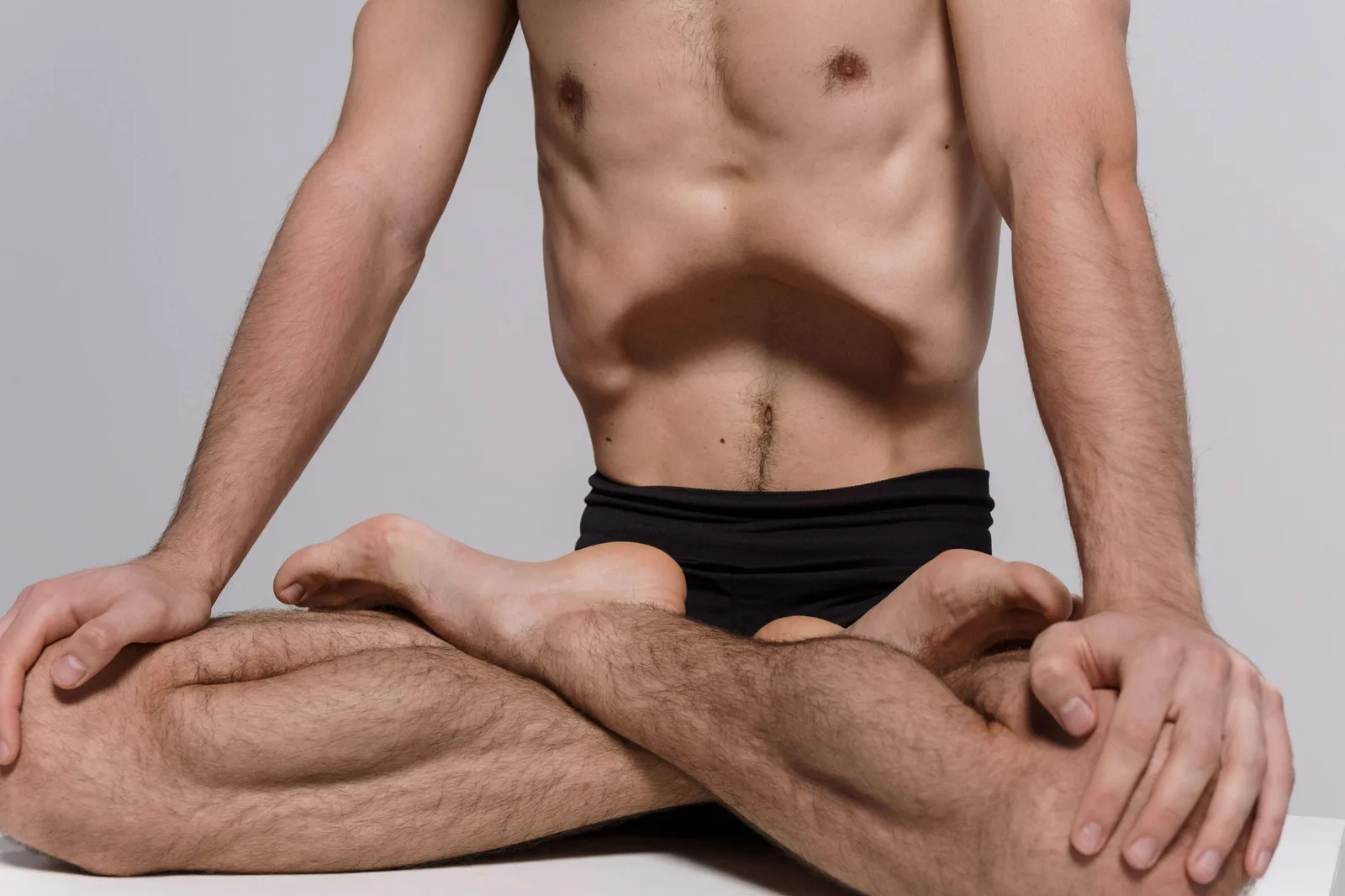
Bandhas are yoga's internal "locks" — deliberate muscular engagements at three stations of the torso that the hatha yoga tradition uses to contain and direct prana, the life-force said to move on the breath. The Sanskrit bandha means to bind, hold or lock. There are three principal bandhas — mula bandha (the root lock, at the pelvic floor), uddiyana bandha (the abdominal lock, below the ribs) and jalandhara bandha (the chin lock, at the throat) — and a fourth, maha bandha, the "great lock," which applies all three at once.
If a teacher has ever said "engage your bandhas" and left you privately baffled, you're in good company — it may be the most-said, least-explained instruction in modern yoga. This guide explains what each lock is, what the tradition says it's for, how to approach each carefully — and who should leave the stronger practices alone, and why this territory genuinely deserves a teacher.
This article is for general education and is not medical advice. The stronger bandha practices involve breath retention and strong abdominal action: if you are pregnant, or live with high blood pressure, a heart condition, ulcers, hernia or glaucoma, please stay with ordinary breathing and posture work and talk with your doctor before attempting them.
What are bandhas, and where do they come from?
The classical hatha texts — the Hatha Yoga Pradipika chief among them — describe the bandhas within their chapters on mudras, the "seals" of practice (the hand gestures most people know as mudras are one branch of that family; the bandhas are another). Their purpose there is specific and frankly esoteric: yogic physiology describes prana flowing through subtle channels, and the bandhas are taught as valves — applied during breath retention, they are said to seal the life-force in the torso and redirect it into sushumna, the central channel along the spine (the same map behind the chakra system).
Whether you take that account literally, symbolically or agnostically, the physical actions themselves are real and trainable: a lift of the pelvic floor, a hollowing of the abdomen, a seal of the throat. Modern postural yoga, especially the Ashtanga vinyasa lineage, has repurposed the first two as continuous gentle engagements that support the spine during movement. Same names, two rather different uses — classical valve-work during retention, and modern light core support during asana. Keeping those two uses distinct will save you years of confusion.
Mula bandha — the root lock
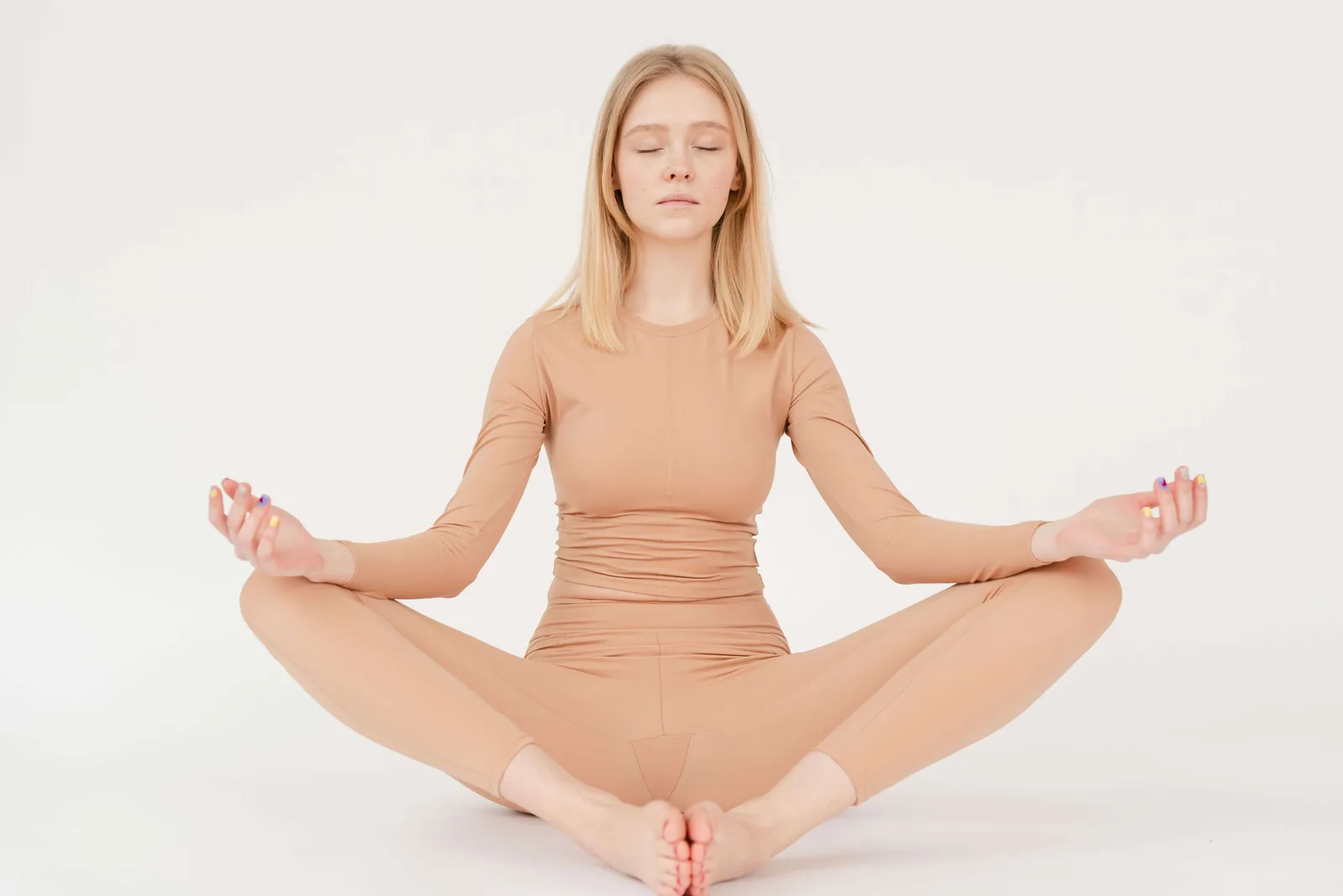
Mula means root — the same root as in muladhara, the root chakra. Mula bandha is a gentle drawing-in and lifting of the pelvic floor: the muscular hammock at the base of the torso, in the region of the perineum. In the traditional account, its job is to reverse the natural downward flow of apana — the eliminative, descending energy of the lower body — turning it upward to meet prana at the navel (the five-winds map behind those terms is covered in our companion guide to the prana vayus).
How to find it (gently):
Sit tall on a firm cushion, breathe quietly for a minute.
On an exhalation, softly contract and lift the muscles between the pubic bone and tailbone — the action of gently interrupting the flow of urine is the classic first approximation, used only to locate the muscles, not as an ongoing practice.
Hold the lift lightly for a few seconds while breathing normally. The belly, jaw and shoulders stay soft — if they've tensed, you've done too much.
Release completely. Repeat a few times, then rest. Full release matters as much as the lift.
Two honest notes. First, precision takes time: the pelvic floor is a mosaic of muscles most people have never consciously isolated, and early attempts usually recruit everything from the buttocks to the face — normal, and refined over months, not minutes. Second, more is not better: an aggressively gripped pelvic floor can become as problematic as a slack one. The lock is traditionally described as subtle — a lift, not a clench — and anyone with pelvic floor conditions, recent pelvic surgery, or pregnancy in the picture should work with their doctor and a qualified teacher rather than a paragraph.
In modern vinyasa practice, "mula bandha" usually means something lighter still: a faint pelvic-floor tone maintained through practice for stability — a modern adaptation of what the old texts taught as strong engagement during retained breath.
Uddiyana bandha — the abdominal lock
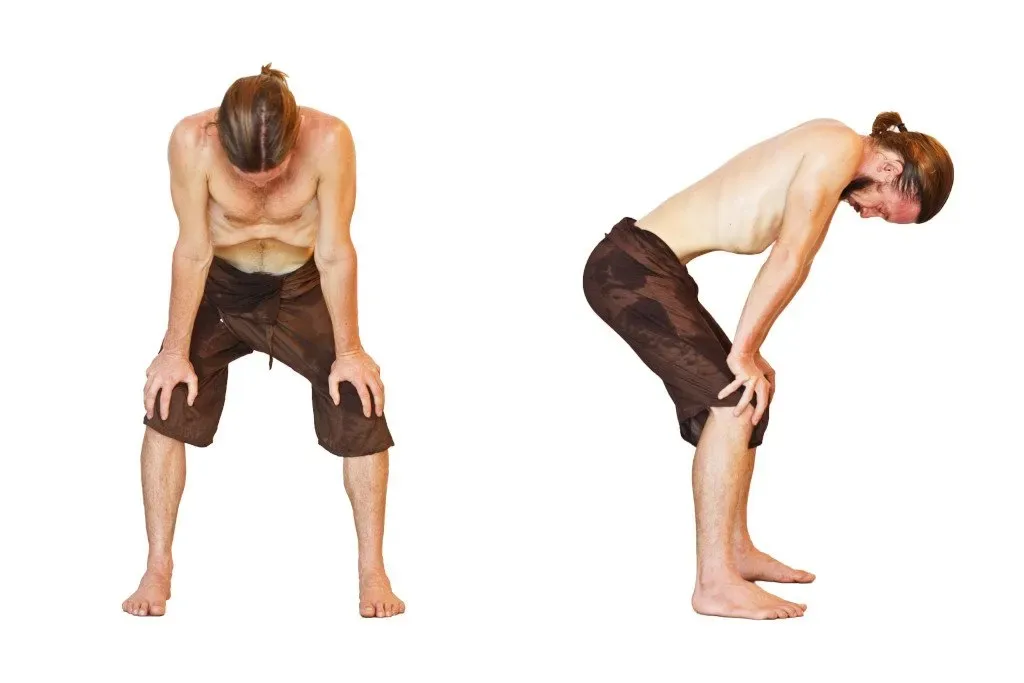
Uddiyana means "flying up" — in the Hatha Yoga Pradipika's image, the lock by which prana is made to fly upward through the central channel. Physically it is the most dramatic of the three: after a complete exhalation, with the breath held out, the abdomen is drawn deeply in and up so it hollows back toward the spine and up under the ribcage.
How to approach it (carefully):
Empty stomach — non-negotiable. Practice only in the morning before eating, or at least three to four hours after a meal. Drawing the abdominal organs upward over a full stomach is uncomfortable at best and genuinely unwise.
Stand with feet hip-width, knees bent, hands braced on the thighs, torso leaning slightly forward.
Exhale completely through the mouth — fully empty.
Without inhaling, perform a "mock inhalation": expand the ribcage as if breathing in but let no air enter. The abdomen hollows inward and upward by itself — suction, not muscular gripping.
Hold only while comfortable — a few seconds at first. To release: relax the ribs first, then inhale slowly and smoothly.
One or two repetitions is plenty to begin. This is a practice measured in months.
Who should not practice uddiyana bandha: it is commonly advised against during pregnancy and menstruation, and for people with high blood pressure, heart conditions, stomach or intestinal ulcers, hernia, glaucoma, or recent abdominal surgery — the practice creates strong pressure changes in the abdomen and chest, and these cautions are taken seriously in traditional teaching too. If any of the above applies to you, skip it entirely; nothing essential is lost, and the gentle practices in our pranayama guide remain fully open to you.
Jalandhara bandha — the chin lock
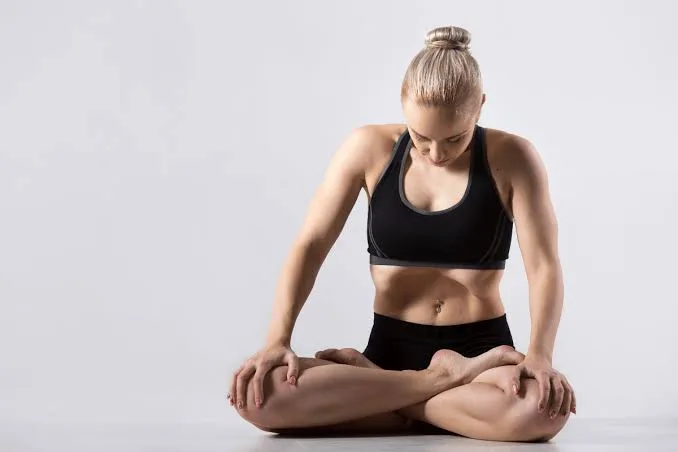
Jalandhara is usually explained as "the lock that holds the network" — jala meaning net or web, traditionally read as the web of subtle channels in the neck — though, as with many old Sanskrit names, lineages gloss it differently and we won't pretend to a certainty the texts don't offer.
The action: sitting tall, the sternum lifts toward the chin as the chin draws down and slightly back toward the notch of the throat — the neck lengthening, never crushing — gently sealing the throat. In classical practice its role is protective: applied during breath retention, it is said to contain the rising energy, and practically it moderates pressure in the head and neck while the breath is held — which is why the classical rule is that retention beyond a few seconds is not done without it.
Approached as a simple posture — lifted chest, long neck, soft chin drop, breath flowing normally — jalandhara is the least risky of the three to explore. Its full use, inside retained breath, belongs with the practices below. Take care with neck or cervical spine issues, avoid compressing a painful throat or thyroid region, and with high blood pressure or heart conditions leave all retention work aside.
Maha bandha — the great lock
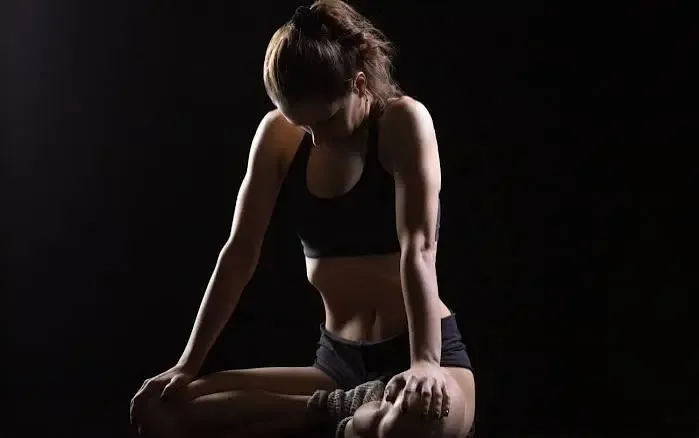
Maha means great. Maha bandha is the three locks applied together — traditionally: exhale fully, apply jalandhara, then uddiyana, then mula, hold the breath out only while truly comfortable, then release in reverse order and inhale slowly. The texts honour it as the ripening of the three individual practices, and everything cautionary above applies here with interest — every contraindication, the empty-stomach rule, and the requirement that each lock is already stable on its own. We describe it so you know the map, not so you'll teach it to yourself from a blog post. Which brings us to the honest heart of this article.
When do bandhas enter practice? (Advanced pranayama territory)
Here is the sequencing the tradition — and our own teaching hall — actually follows:
First, months of foundation: steady posture, natural breath awareness, and the gentle techniques of pranayama — no retention, no locks.
Then, light acquaintance: locating the pelvic floor, morning uddiyana on an empty stomach, jalandhara's head position — each as its own short practice, never forced.
Only then, integration: the bandhas applied inside kumbhaka (breath retention), in counted ratios that build slowly. This is advanced pranayama territory in the strict sense — held breath, pressure changes and strong engagement together are precisely where breathwork stops being self-teachable.
A tip from our teaching hall: students always want to rush to the locks — they sound like secret levers, and honestly, the names don't discourage that impression. We hold them back not to gatekeep but because the order is the safety mechanism: a student with six months of smooth, unstrained alternate-nostril breathing learns uddiyana in a week. A student who skips to uddiyana learns mostly dizziness.
A teacher matters here for an unglamorous reason: the failure modes of bandha work — straining, over-gripping, holding too long, practicing on a full stomach or with an unsuitable condition — are exactly the things you can't see in yourself and an experienced eye catches in seconds. In our own school this is advanced-level, face-to-face material: the 300-hour yoga teacher training in Rishikesh is where retention, ratios and the locks are taught systematically, with a teacher watching every student's face for the strain they haven't noticed yet.
Frequently asked questions
What are the four bandhas in yoga?
The three principal locks — mula bandha (pelvic floor), uddiyana bandha (abdomen) and jalandhara bandha (throat) — plus maha bandha, the "great lock": all three applied together during held breath rather than a separate fourth technique. Some modern teachers also speak of pada bandha (foot) and hasta bandha (hand) in standing poses and arm balances — useful teaching images, but modern extensions, not part of the classical set.
How do you activate bandhas?
Gently, separately, and in stages. Mula: a soft exhale-lift of the pelvic floor, held briefly while breathing normally. Uddiyana: empty stomach, full exhalation, then a mock inhalation that hollows the abdomen in and up. Jalandhara: lift the sternum, lengthen the neck, drop the chin toward the throat. Practice each alone before combining, keep everything strain-free, and leave breath retention out until a teacher is involved. "Activate" is really the wrong verb for beginners — "become acquainted with" is closer to how it goes.
Are bandhas the same as chakras?
No — they belong to the same traditional map but are different kinds of thing. Chakras are places on the subtle-body map: centres where energy is said to gather. Bandhas are actions: physical techniques said to influence how energy moves through that map. Roughly: chakras are the stations, bandhas are the valves. It's no coincidence the locks sit near the root, navel and throat centres — but engaging a bandha is something you do, while a chakra is something the tradition says you have.
When should you introduce bandhas into a yoga class?
For teachers: not in a beginners' class, and never as a shouted cue without instruction. A sensible progression — the one we teach trainees — is: breath awareness and gentle pranayama first; light mula-bandha-style pelvic floor tone as an alignment support in intermediate asana classes, properly explained; uddiyana and formal bandha work only in dedicated pranayama sessions with screened students (pregnancy, blood pressure and heart conditions asked about beforehand), on empty stomachs, ideally mornings. If you can't screen and sequence for it, don't teach it that day — exactly the judgment work covered in advanced training.
Do bandhas really move energy?
Honestly: the traditional account — prana sealed and redirected into sushumna — is yogic metaphysics, not measurable science, and we present it as tradition. What is observable: the bandhas train unusually fine control of the pelvic floor, diaphragm, abdomen and glottis, alter pressure in the torso in ways practitioners feel immediately, and demand a quality of attention that is itself meditative. Whether you frame the effects in prana or physiology, the practices reward respect — and neither frame makes them medicine.
Learn the locks where they're taught properly
If this article has done its job, you know what the bandhas are, how the careful first steps feel, and why the deeper work — retention, ratios, maha bandha — is the one part of yoga we genuinely won't teach you from a page. Start with the foundation that makes bandhas learnable: the pranayama breathing techniques guide, plus our companion guide to the prana vayus for the energy map the locks are said to work on. When you're ready for the advanced curriculum, taught face-to-face, that's the territory of our 300-hour yoga teacher training in Rishikesh. Ask us on WhatsApp whether your practice is ready for it; a real teacher will give you a straight answer, even if that answer is "not yet."
This article is for general education and is not medical advice. Please consult a qualified healthcare professional about your individual situation, especially before attempting uddiyana bandha, maha bandha or any breath retention practice.
References
Svatmarama — Hatha Yoga Pradipika, Chapter 3 (the bandhas taught among the mudras; uddiyana as "flying up"; the classical purposes). (cite published translation at publish)
Gheranda Samhita — classical listing of mudras and bandhas. (cite published translation at publish)
National Center for Complementary and Integrative Health (NCCIH) — Yoga: What You Need To Know (safety framing; evidence limits). (verify exact URL at publish)
Reviewed for health accuracy by Dr. Bhupinder Singh Arora (M.D. Ayurveda), consulting Ayurvedic physician at Pure Soul Yoga School. This article is educational and not a substitute for personal medical advice.
Author note (byline): Gangesha Adi (E-RYT 500, YACEP) teaches the advanced pranayama curriculum — retention, ratios and the bandhas — at Pure Soul Yoga School, Rishikesh, where these practices are taught face-to-face to trainees of 50+ nationalities.