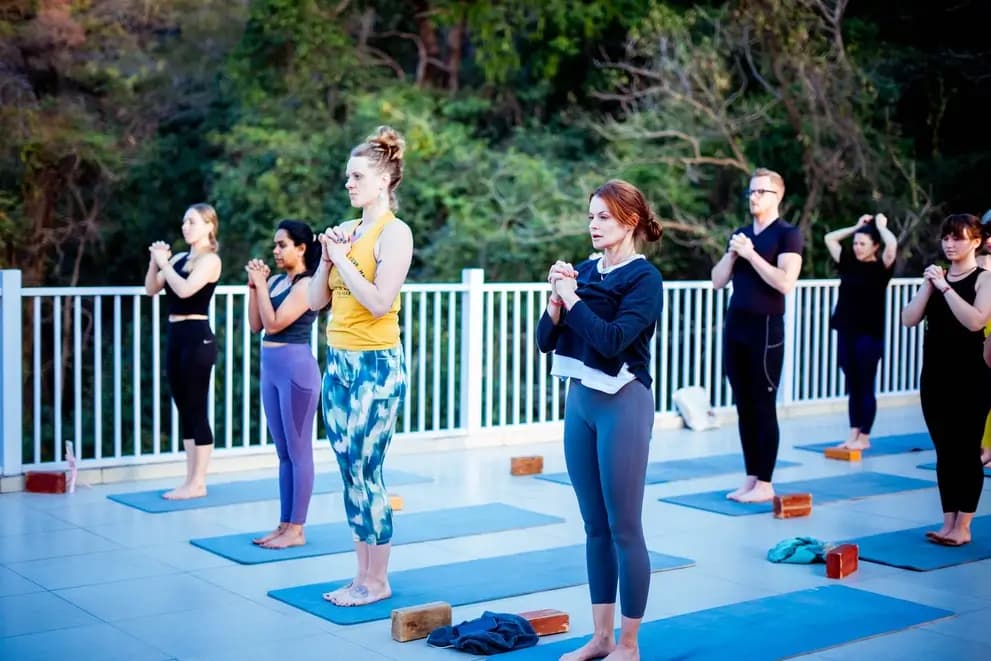
Benefits of Meditation: What the Evidence Actually Supports
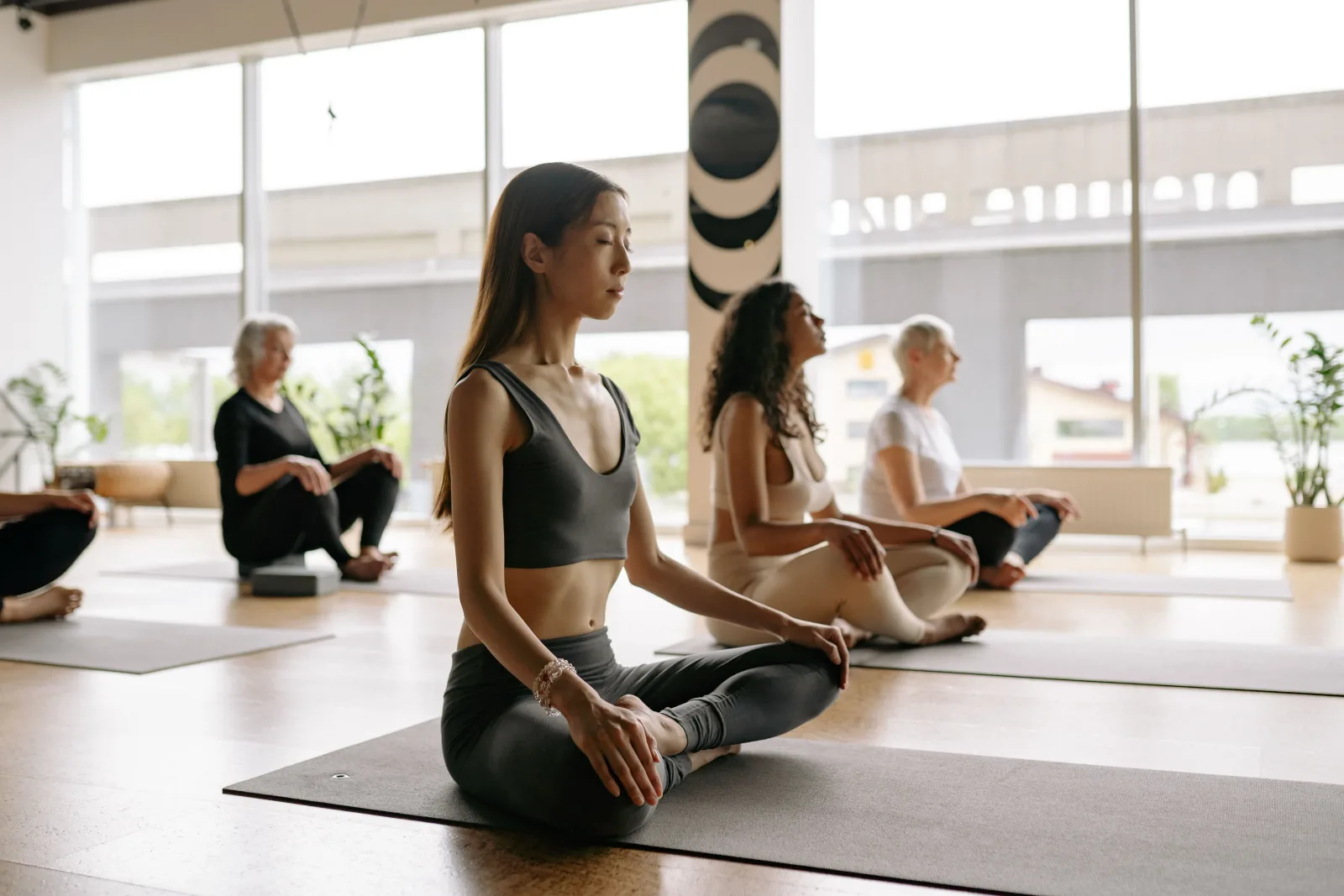
Meditation genuinely helps — but not with everything, and not as dramatically as the internet suggests. The most reliable benefits of meditation are a steadier response to stress, a measurable easing of anxiety and low-mood symptoms, and modestly better sleep. Behind those sit a second tier of promising-but-still-emerging benefits — attention, blood pressure, the way you relate to pain — and behind those, the benefits the tradition has taught for centuries that research hasn't fully measured: self-awareness, inner steadiness, a kinder relationship with your own mind.
This guide keeps those three groups separate, because they deserve different levels of confidence. That's the honest way to answer the question "is meditation worth it?" — and the short answer is yes, for reasons that hold up even after the hype is stripped away.
In this guide: - How we've graded these benefits - Well-supported benefits - Promising benefits - Traditional benefits - What happens if you meditate daily? - What meditation won't do - FAQs
How we've graded these benefits
Meditation research is large but uneven: many studies are small, short, or lack strong control groups, and bodies like the NCCIH describe the overall evidence as promising but mixed in quality. So instead of listing every claimed benefit as settled fact, we've sorted them honestly:
Well-supported — multiple reviews and meta-analyses point the same direction. Still described with "may" and "suggests", because that's how good evidence talks.
Promising — early or mixed research; plausible mechanisms; not yet settled.
Traditional — what centuries of practice teach and practitioners consistently report, valuable on its own terms but not a clinical claim.
Well-supported benefits
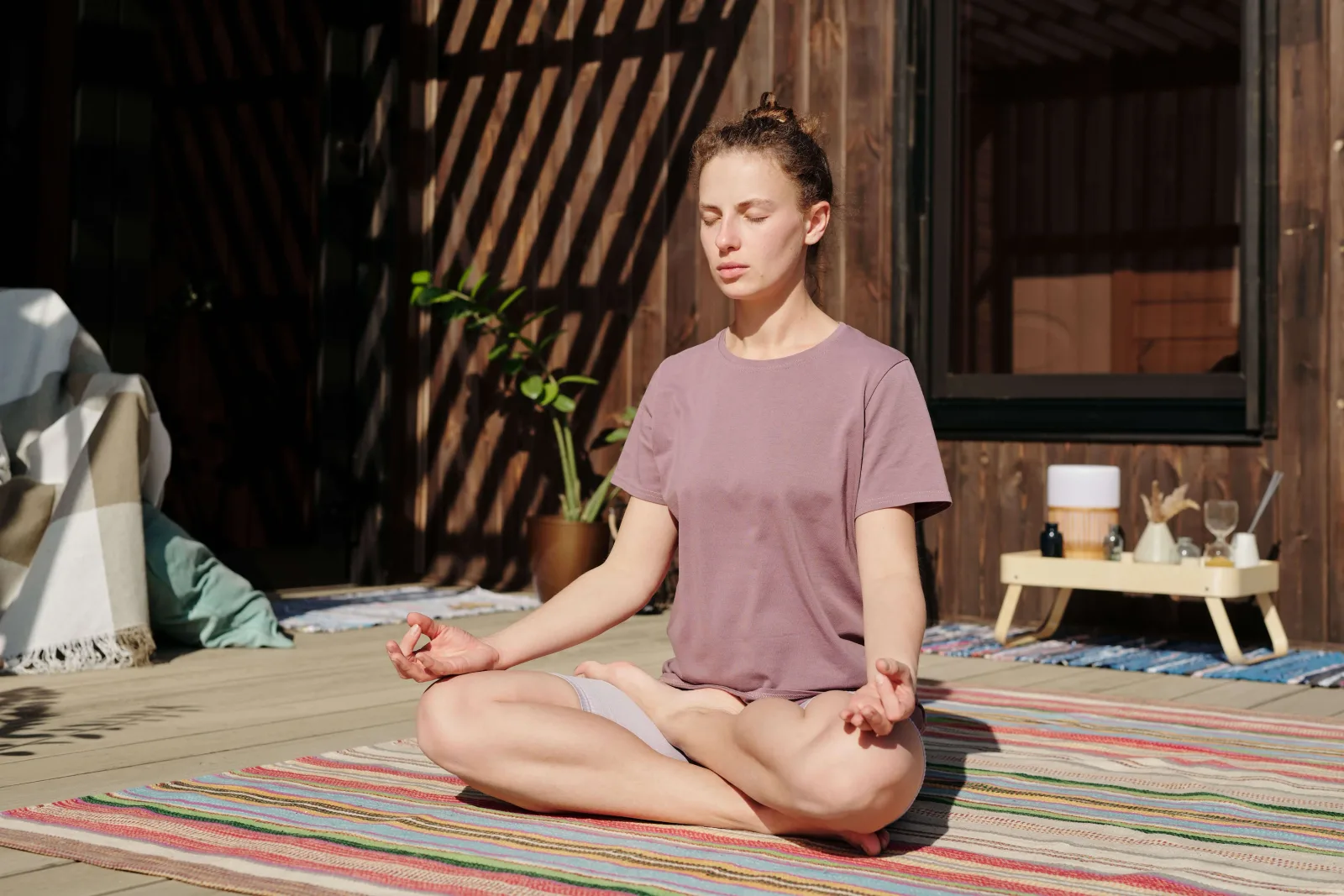
A steadier response to stress
This is meditation's home ground. Regular practice appears to settle the body's stress response — practitioners commonly show calmer physiological arousal, and the relaxation side of practice engages the parasympathetic nervous system, the "rest-and-digest" counterweight to fight-or-flight. Some studies observe lower levels of stress hormones such as cortisol in regular meditators, though findings vary between studies, so we hold that mechanism lightly. What's most consistent isn't a lab number but a lived one: the space between a stressful event and your reaction gets wider, and that space is where better days are built.
Reduced symptoms of anxiety and low mood
A well-known systematic review in JAMA Internal Medicine found that mindfulness meditation programs showed moderate evidence for improving anxiety and depression symptoms. Two honest caveats belong beside that finding. The effect sizes are meaningful but modest — comparable in some analyses to other active treatments, not superior to them. And meditation is a support, never a substitute: if anxiety or low mood is interfering with your life, professional care comes first, with practice alongside it. Our guide to yoga for anxiety makes the same point just as plainly.
Better sleep
Meditation and sleep are natural allies. Reviews suggest mindfulness practices may improve sleep quality — a calmer pre-sleep mind produces fewer racing thoughts at lights-out, and people commonly report falling asleep more easily. The improvements are usually described as modest, and meditation is not a treatment for a diagnosed sleep disorder. But of all the benefits on this page, easier sleep is among the earliest ones new practitioners mention. It's also why deep-rest practices like Yoga Nidra — taught to teaching depth in our Yoga Nidra teacher training — have such a devoted following among tired people.
Promising benefits (early or mixed evidence)

Sharper attention and focus
Meditation is attention training by definition — you place attention, lose it, and return it, hundreds of times. Studies suggest this may transfer into daily life as modestly improved attention span and working memory, and the finding is plausible enough that researchers keep pursuing it. The studies are often small and short, so we keep this in the promising tier — but of all the benefits here, this is the one you can most directly feel building, session by session.
Blood pressure and heart health
Some research suggests meditation may contribute to small reductions in blood pressure, likely through the same relaxation-response pathway that softens stress. Professional bodies have described meditation as a reasonable addition to heart-healthy habits — not a replacement for medication, movement, or medical care. If you have a blood-pressure condition, meditate because it's pleasant and steadying, and follow your doctor's plan for the numbers.
A changed relationship with pain
Mindfulness-based programs have been studied for chronic pain, with some evidence that practice may reduce how intensely pain is experienced — not by removing the sensation, but by changing how the mind attends and reacts to it. Results across studies are mixed, and nobody should abandon pain treatment for a cushion. As one strand within a broader pain-management plan, though, it has earned its research attention.
Emotional resilience
Practitioners often recover their footing faster after difficult moments — noticing a reaction as it forms rather than after it has taken over. Research on emotional regulation and meditation points in this direction, but measuring "resilience" cleanly is hard, so this stays in the promising tier. Experience says more here than statistics: this benefit is the one our long-term students mention most.
Immune function
You'll often read that meditation "boosts immunity." The honest version: a few studies have observed small changes in immune and inflammatory markers among meditators, plausibly linked to lower stress — and the evidence is thin, indirect, and far from settled. Meditate for your mind; treat any immune benefit as an unverified bonus.
Traditional benefits (what the practice itself teaches)
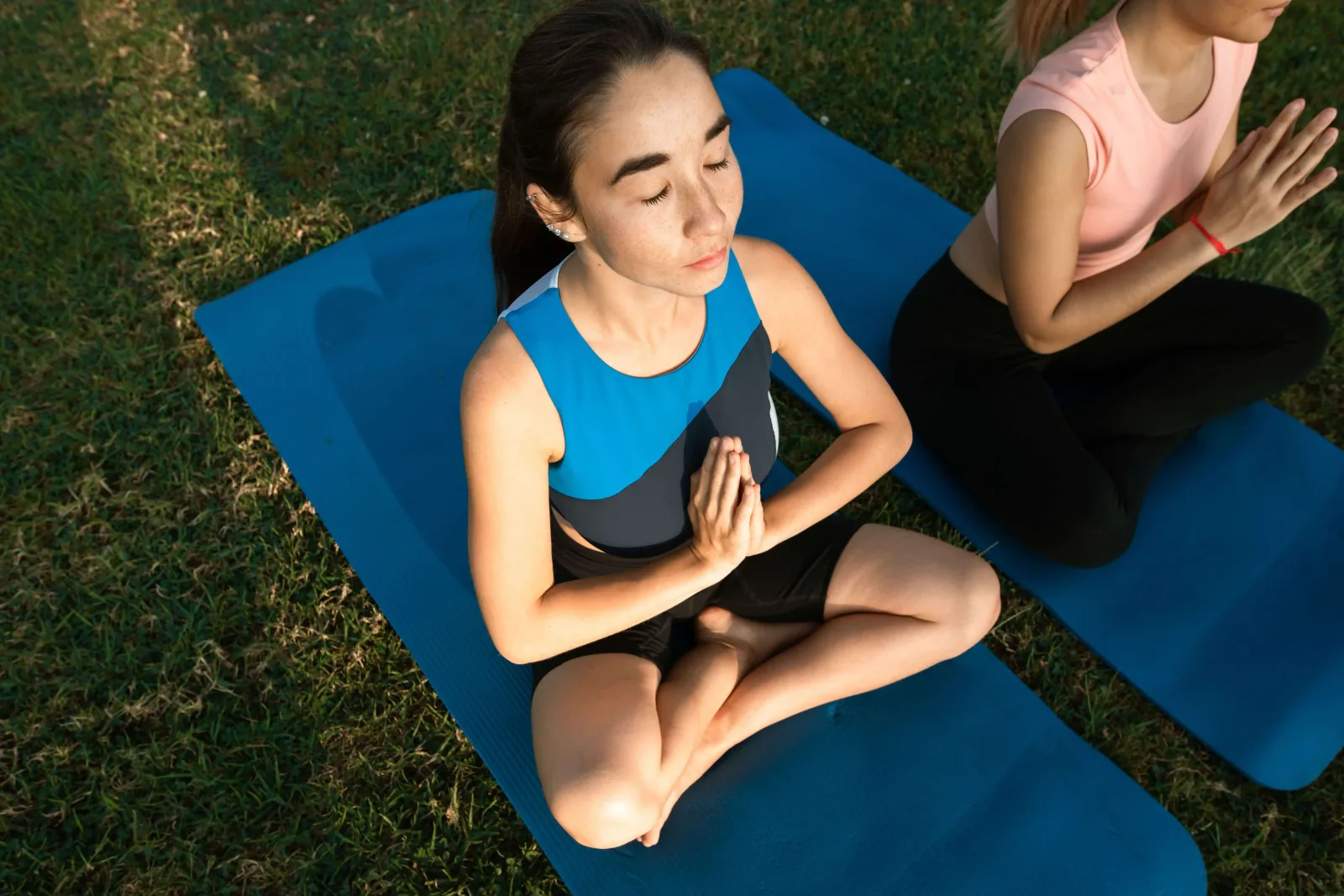
The tradition never framed meditation as symptom relief. In the yoga lineage, meditation — dhyana, the seventh of the eight limbs — is the deliberate cultivation of a clear, steady mind, and its classical fruits are:
Self-awareness. Sitting with your own mind daily, you begin to see its patterns — the recurring worries, the stories, the habits of reaction. That seeing is the beginning of choice.
Inner steadiness. A contentment less dependent on circumstances; the tradition calls the settled state of a quiet mind its own reward.
Compassion and outlook. Practices like loving-kindness deliberately cultivate goodwill — first toward yourself, then outward. Practitioners consistently describe warmer relationships and a more grateful eye. (This is one of the five practices in our guide to healing meditation.)
Presence. The unglamorous ability to be where you are — eating when eating, listening when listening. Many report ideas flowing more freely from a less cluttered mind; "meditation makes you creative" is commonly reported rather than clinically established, so we place it here.
None of this appears on a blood panel. All of it is why people keep practicing decades after the stress relief became ordinary.
What happens if you meditate daily?
Daily practice is where the benefits above stop being research findings and start being yours. The honest timeline most beginners experience:
The first week feels like nothing much — restless sits, a wandering mind, mild doubt. This is normal and not a verdict.
Weeks two to four, the early returns arrive: you catch yourself mid-reaction more often, and getting to sleep gets slightly easier.
A few months in, the practice becomes self-sustaining — the steadiness follows you off the cushion into traffic, meetings, and difficult conversations.
Consistency matters far more than duration: ten daily minutes will do more for you than an occasional heroic hour. In our teaching hall in Rishikesh, every training day closes with a guided meditation or Yoga Nidra session for exactly this reason — the benefit lives in the rhythm, not the single sitting.
A tip from our teaching hall: anchor your sit to something you already do daily — after brushing your teeth, before your morning tea. A practice attached to an existing habit survives; a practice waiting for free time doesn't.
What meditation won't do
An honest benefits list needs this section. Meditation is not a treatment for any medical or mental-health condition, and it doesn't replace therapy, medication, sleep, exercise, or human connection. It won't empty your mind — minds produce thoughts; practice changes your relationship with them, not their existence. And for a small number of people, especially those carrying trauma, intensive practice can surface difficult material; if meditation reliably increases your distress, practice with a qualified professional's guidance rather than pushing through alone.
This article is for general education and is not medical advice. Please consult a qualified healthcare professional about your individual situation.
Ready to start? Begin with technique, not theory
This post deliberately contains no instructions — those live in our parent guide, meditation techniques for beginners, which walks through seven beginner-friendly practices with step-by-step guidance and a 10-minute starter plan. Read this page to know why; read that one to know how.
Frequently asked questions
What is a good time to meditate?
The best time is the one you'll keep. Early morning suits most people — the mind is naturally quieter and the day hasn't claimed you yet — while an evening sit can double as a wind-down for sleep. Avoid only the times that set you up to fail: right after heavy meals, or so late that you're meditating against sleep itself.
How do I know if meditation is working?
Not by how a session feels — pleasant and unpleasant sits train the same skill. Look off the cushion instead: are you noticing reactions a moment sooner, sleeping a little easier, returning to calm a little faster after stress? Those quiet shifts, visible over weeks rather than days, are the practice working.
How long until I notice benefits?
Commonly a few weeks of daily practice for the early signs — easier sleep, quicker self-catching — and a few months for the deeper steadiness. Anyone promising transformation in three days is selling something.
Can meditation help me sleep?
It may — calming pre-sleep mental chatter is one of meditation's better-supported effects, and body-scan and Yoga Nidra practices are especially suited to it. Persistent insomnia, though, deserves a doctor's attention, not just a cushion.
Can meditation replace therapy or medication?
No. Research supports meditation as a complement to professional care, never a substitute. The healthiest framing: therapy and medicine treat; meditation trains. Many people benefit from both at once — with their clinician informed.
If the practice calls you deeper
Everything meditation offers is available free, at home, ten minutes at a time — start there. But when practitioners want structure, depth, and teachers beside them, that's what our Meditation Teacher Training in Rishikesh provides — a residential immersion in the practices this page describes, for dedicated practitioners and future teachers alike. And if what you need first is simply rest, our destress retreat in Rishikesh weaves daily meditation and breathwork into a stay that starts on any date. Questions? Ask us on WhatsApp — a real person answers.
References
National Center for Complementary and Integrative Health (NCCIH) — Meditation and Mindfulness: What You Need To Know.
Goyal M. et al., JAMA Internal Medicine — systematic review and meta-analysis of meditation programs for psychological stress and well-being.
American Heart Association — scientific statement on meditation and cardiovascular risk reduction.
NHS — Mindfulness and mental wellbeing guidance.
Patanjali's Yoga Sutras — dhyana, the seventh limb (classical framing of meditation's purpose).
Author note (byline): Gangesha Adi (E-RYT 500) has guided daily meditation and Yoga Nidra sessions for students of 50+ nationalities at Pure Soul Yoga School, Rishikesh — where the benefits described here are watched arriving, week by week, in every training batch.