
Benefits of Daily Yoga Practice: What Really Changes
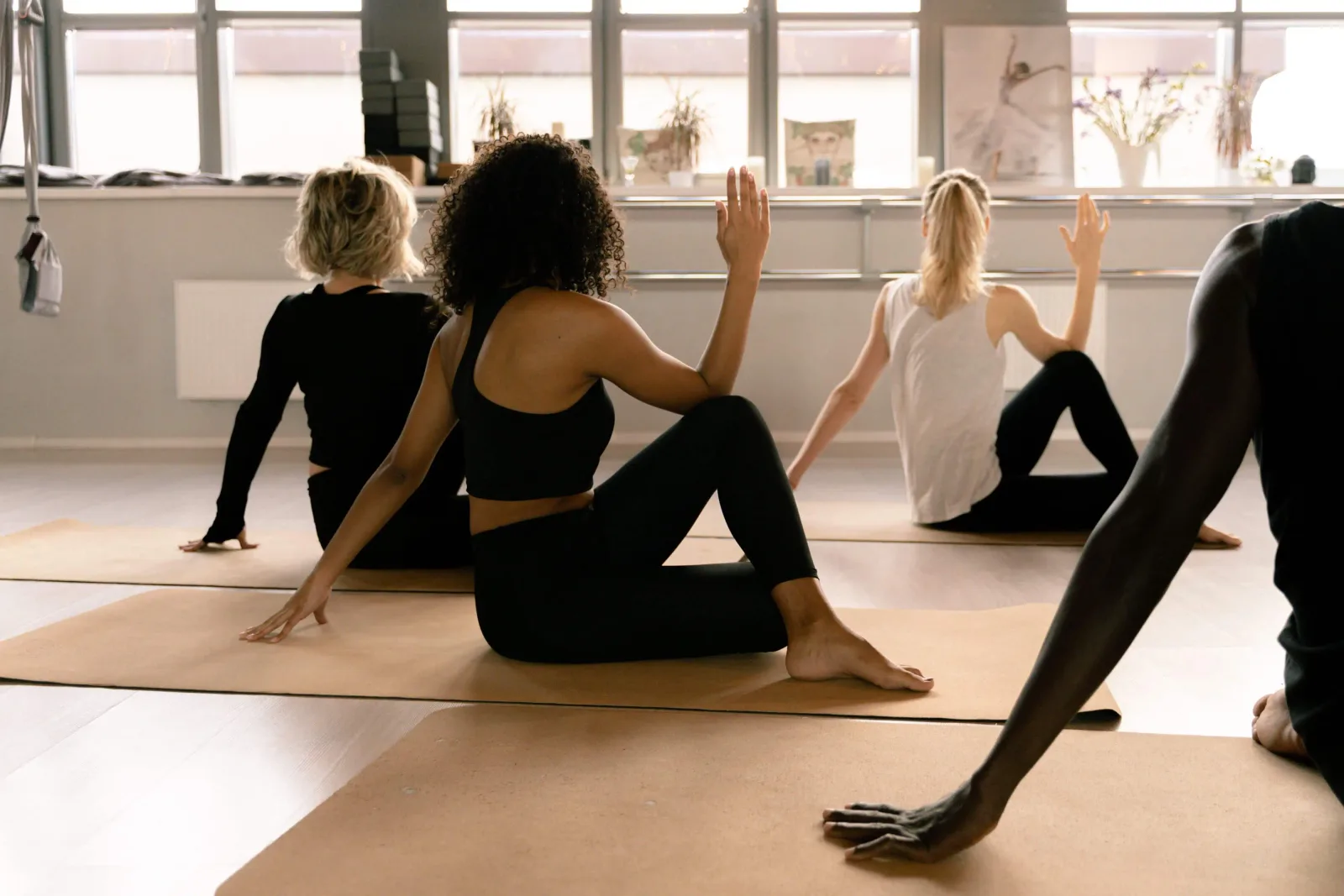
Practice yoga daily — even fifteen unhurried minutes — and within a few weeks you will most likely notice looser hips and hamstrings, a calmer baseline mood, and everyday movements that simply feel easier. Those are the reliable returns. Daily practice also appears to build strength and balance, may improve sleep, and slowly rebuilds the mind–body connection that desk life erodes. What it won't do is transform you in a weekend, melt weight off by itself, or require an hour a day: consistency, not heroics, is the entire secret.
This guide sorts the benefits of daily yoga practice by how strong the evidence actually is, answers "how much is enough?" honestly, and tells the truth about rest days — because a daily practice you can sustain beats a perfect one you abandon.
In this guide: - How we've graded these benefits - Well-supported benefits - Promising benefits - Traditional benefits - How much daily yoga is enough? - The rest-day truth - FAQs
How we've graded these benefits
Yoga research is genuinely encouraging — and genuinely uneven. Many studies are small or short, and "yoga" in one trial can mean something very different from "yoga" in another. So rather than presenting every claim as settled, we sort benefits into three honest tiers: well-supported (multiple reviews point the same way — still hedged, because that's how careful evidence talks), promising (early or mixed findings with plausible mechanisms), and traditional (what the tradition teaches and daily practitioners consistently report — valuable, but not a clinical claim).
Well-supported benefits
Flexibility and everyday mobility
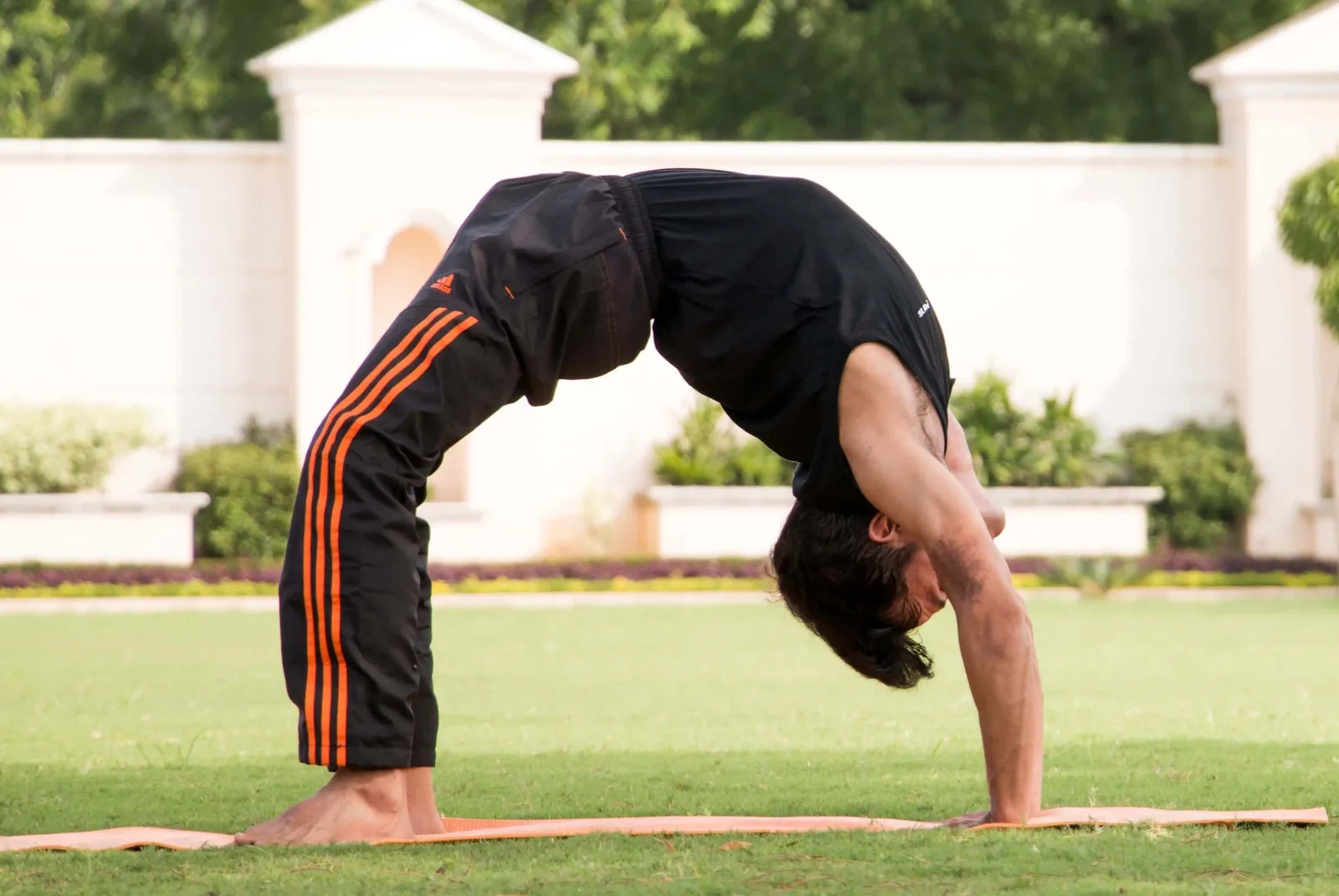
The least surprising benefit is also among the best established: regular practice gradually increases range of motion in muscles and joints. Daily frequency is exactly what flexibility responds to — tissues adapt to what they meet often. The practical version matters more than the word "flexibility": reaching a high shelf, tying shoes, turning to check a blind spot, all with less strain. This is also the benefit where daily beginners see change soonest.
Strength and balance, built with your own bodyweight
Yoga builds strength without equipment — holding poses like plank, chair, and the warrior positions asks large muscle groups to work together rather than in isolation. Practiced daily, this shows up as steadier balance and better muscular endurance. Research in older adults particularly supports yoga's role in balance and mobility, which is why gentle daily practice earns a place in healthy-aging routines.
A calmer baseline: stress and mood
The slow movement, deliberate breathing, and attention that define yoga appear to engage the parasympathetic nervous system — the body's rest-and-digest counterweight to fight-or-flight. Reviews suggest regular practice may reduce perceived stress and modestly ease anxiety and low-mood symptoms. Daily practice compounds this: a fifteen-minute daily reset keeps the baseline lower rather than rescuing occasional bad weeks. (Yoga supports — it never replaces — professional mental-health care.)
Relief for an aching lower back
One of yoga's strongest evidence bases: clinical guidelines for chronic low-back pain include yoga among recommended non-drug approaches, and reviews suggest regular practice may reduce pain and improve function for many people. Gentle, consistent movement is precisely what stiff backs tend to want — with a doctor's guidance first if pain is significant or radiating.
Better sleep
Practitioners who move and breathe daily commonly sleep better, and research on yoga and sleep quality — especially slow evening styles and yoga nidra — points modestly in the same direction. Nothing dramatic; simply the accumulated effect of a body that has moved and a nervous system that has been given a daily off-ramp.
Promising benefits (early or mixed evidence)

Heart and circulation. Dynamic styles raise the heart rate enough to count as light-to-moderate activity, and some studies suggest regular yoga may contribute to small improvements in blood pressure and circulation. A worthwhile companion to — not a replacement for — aerobic exercise and medical care.
Posture. Daily attention to how you sit, stand, and carry your spine slowly overwrites desk habits. Formal research is thin; the mechanism (strengthening the back body, opening the front body, and noticing) is straightforward.
Breathing capacity. Pranayama practice trains fuller, slower breathing, and some studies suggest improved respiratory measures with regular practice — of particular interest to shallow breathers, though findings remain mixed.
Weight management — indirectly. Yoga burns modest calories, but its more interesting contribution is behavioral: practitioners often report more mindful eating and body awareness. Combined with sensible food and other movement, daily yoga supports a healthy weight; by itself it is not a weight-loss method, whatever the ads imply.
Digestion and immunity. Commonly claimed, weakly evidenced. Gentle movement and lower stress plausibly help both; treat these as pleasant possibilities rather than reasons to practice.
Traditional benefits (what daily practitioners report)

The word yoga comes from the Sanskrit root yuj — "to yoke," to join. The tradition's own case for daily practice was never about hamstrings: it is that a daily meeting between body, breath, and attention gradually joins the scattered pieces of a life. Daily practitioners consistently describe:
Mind–body connection. You start hearing your body's quieter signals — tension arriving, tiredness that wants rest rather than caffeine — early enough to respond.
Self-awareness. The mat is a small honest mirror: how you meet a difficult pose is usually how you meet a difficult day.
Steadiness. An evenness of temper that families tend to notice before practitioners do.
A daily pause that belongs to you. Fifteen minutes with no inbox is itself a benefit, whatever the postures achieve.
None of this appears in a trial's outcome measures. It is, in our experience, why people who begin for the flexibility stay for decades.
How much daily yoga is enough?
Honestly: fifteen minutes counts. A short daily practice — a few rounds of surya namaskar, a handful of standing poses, a forward fold, two minutes of quiet breathing — is enough to earn most of the benefits above, provided it actually happens daily. Thirty minutes gives the body time to go deeper and is a lovely standard once the habit is solid. An hour is for days that offer one.
The ranking that matters: daily and short beats occasional and long, and both beat ambitious and abandoned. At our school in Rishikesh, students practice morning and afternoon during training — and the advice we send them home with is the opposite of heroic: protect a modest daily slot you can defend for years. Many find the morning easiest to protect; our guide to morning yoga benefits and routine makes that case and offers a ready-made 15-minute sequence.
A tip from our teaching hall: decide the when and where once — same time, same corner of the room, mat visible — and let repetition do the rest. A practice that needs daily deciding loses to the first busy week.
The rest-day truth
Can you practice yoga every day? Yes — if the intensity varies. Daily gentle-to-moderate practice suits most healthy bodies, because yoga done sensibly is closer to movement hygiene than to training stress. But daily strong practice — deep backbends, long vinyasa, ambitious flexibility work — accumulates load like any exercise, and bodies adapt during rest, not during effort.
So the honest rhythm looks like this: two or three fuller practices a week, gentle short sessions the other days, and a genuinely restful day whenever your body asks — restorative poses, breathing, or simply nothing. "Daily practice" can honestly mean five minutes of stretching and ten slow breaths on the tired days; the tradition would call that a practice without hesitation, and so would we. A true rest day doesn't break your practice; treating rest as failure does. Soreness that lingers, nagging joint pain, or dread at the sight of the mat are all signals to soften, not push. Style matters too — if every day currently means intense practice, our guide to yoga styles shows the gentler families that make daily sustainable.
Frequently asked questions
What happens if you practice yoga every day?
Typically: noticeably easier movement within two to four weeks, calmer stress responses and slightly better sleep in the first month or two, and gradually improving strength, balance, and posture over months. Equally real: the habit itself becomes the anchor — many daily practitioners say the day feels subtly off without it.
What happens if I do 30 minutes of yoga every day?
Thirty daily minutes is a genuinely substantial practice — enough for a full warm-up, standing work, floor work, and rest. Expect the same benefits as above, arriving somewhat faster and deeper, and if the style is dynamic, a meaningful contribution to your weekly activity total. Just vary the intensity across the week rather than repeating one hard routine daily.
Does yoga really change your body shape?
It changes how your body carries itself more than what it weighs. Regular practice builds visible muscle tone — particularly in the legs, core, and shoulders — and improved posture alone changes how you look and stand. What yoga doesn't do is spot-reduce fat or replace the role of diet and aerobic exercise; claims that it sculpts a specific body shape oversell it.
What are the main benefits of practicing yoga in daily life?
The condensed honest list: easier movement and better posture for desk-shaped lives, a daily reset that lowers baseline stress, gradually built strength and balance, likely better sleep — and the traditional benefit underneath them all, a steadier mind–body connection that improves the hours you spend off the mat.
Do I need to be flexible to start practicing daily?
No — flexibility is the result, not the entry fee. Stiff beginners see the fastest visible progress, which makes daily practice unusually rewarding in the first months. Start gentle, bend your knees generously, and let range of motion arrive on its own schedule.
This article is for general education and is not medical advice. Please consult a qualified healthcare professional about your individual situation, especially before starting a new exercise practice with an existing condition or injury.
When daily practice wants deeper roots
A home practice needs no permission and no purchase — begin tonight with fifteen minutes. But if you reach the point where you want your daily practice understood, not just performed — alignment, breath, philosophy, the why under the what — that depth is what a residential immersion gives. Explore our yoga courses in Rishikesh, from foundational trainings to advanced studies, or simply come practice with us for a while at a yoga retreat in Rishikesh — any-day starts, one unhurried daily rhythm. Questions? Message us on WhatsApp; a teacher, not a bot, replies.
References
National Center for Complementary and Integrative Health (NCCIH) — Yoga: What You Need To Know.
American College of Physicians — clinical practice guideline on noninvasive treatments for chronic low back pain (yoga among recommended options).
NHS — Yoga guide and physical activity guidance.
Systematic reviews on yoga for stress, sleep quality, and balance in older adults (peer-reviewed literature; hedged summaries above).
Author note (byline): Gangesha Adi (E-RYT 500) has kept a daily practice for more than two decades and has guided students of 50+ nationalities at Pure Soul Yoga School, Rishikesh — most of whom arrive asking how much practice is enough, and leave with a sustainable answer.