Ayurveda & Panchakarma: An Honest Introduction
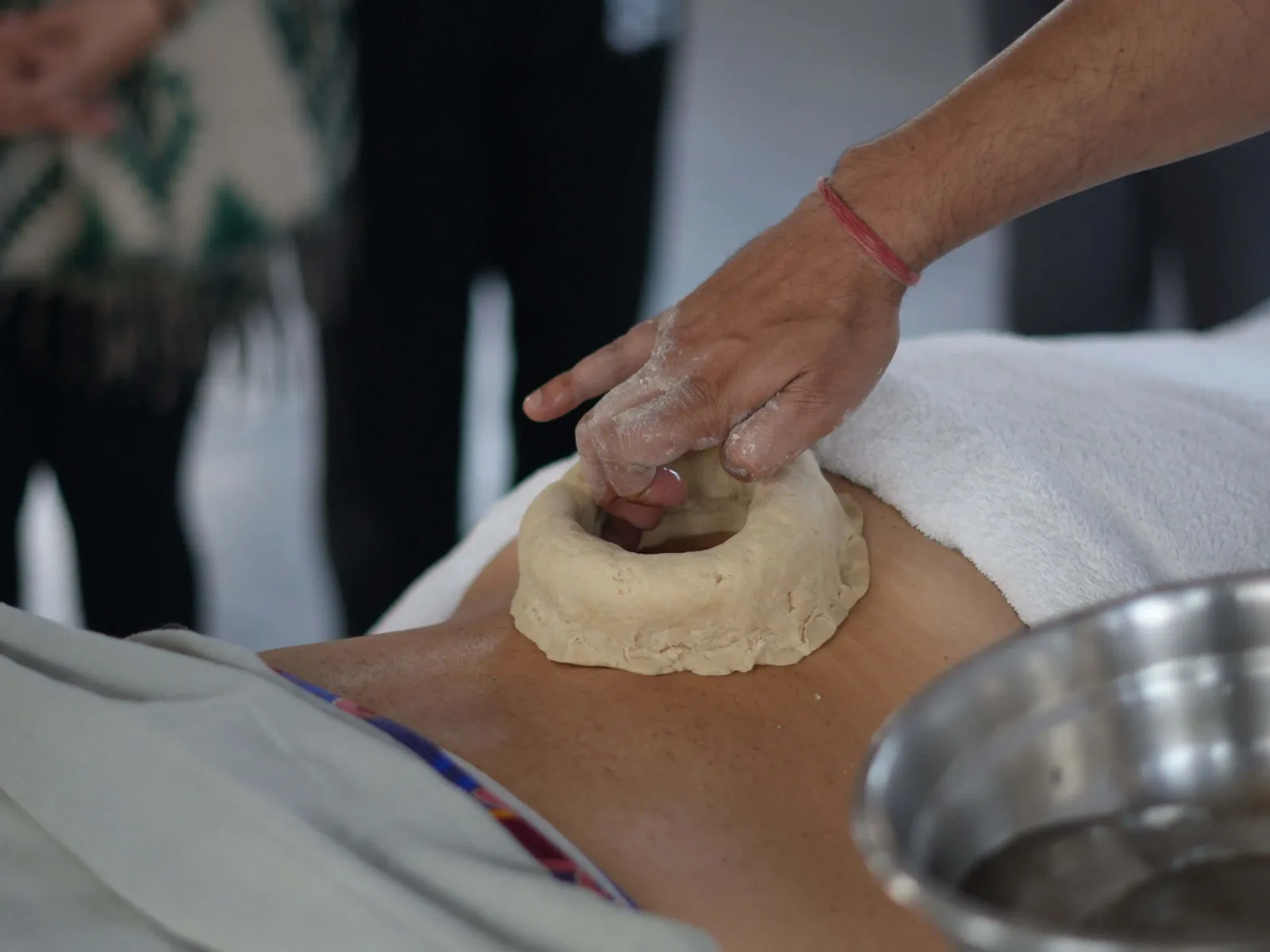
Panchakarma — Sanskrit for "five actions" — is classical Ayurveda's deepest cleansing protocol: a physician-supervised program, traditionally lasting one to three weeks or more, that moves through a preparation phase, five main therapeutic actions, and a carefully managed rest-and-rebuilding phase. It is the part of Ayurveda most heavily marketed to Western visitors, which is exactly why it deserves an honest explanation rather than a brochure.
This guide gives you both halves of the picture: what the tradition actually teaches — the doshas, daily routine, and the five actions, presented faithfully — and what modern science does and does not say about those teachings. By the end you'll know what a genuine panchakarma program involves, who should and shouldn't consider one, and how to tell a physician-led protocol from a spa menu wearing Sanskrit names.
This article is for general education and is not medical advice. Ayurvedic treatments should be undertaken only under the guidance of a qualified physician, and never as a replacement for the medical care of a diagnosed condition. Please consult a qualified healthcare professional about your individual situation.
In this guide
What is Ayurveda, honestly?
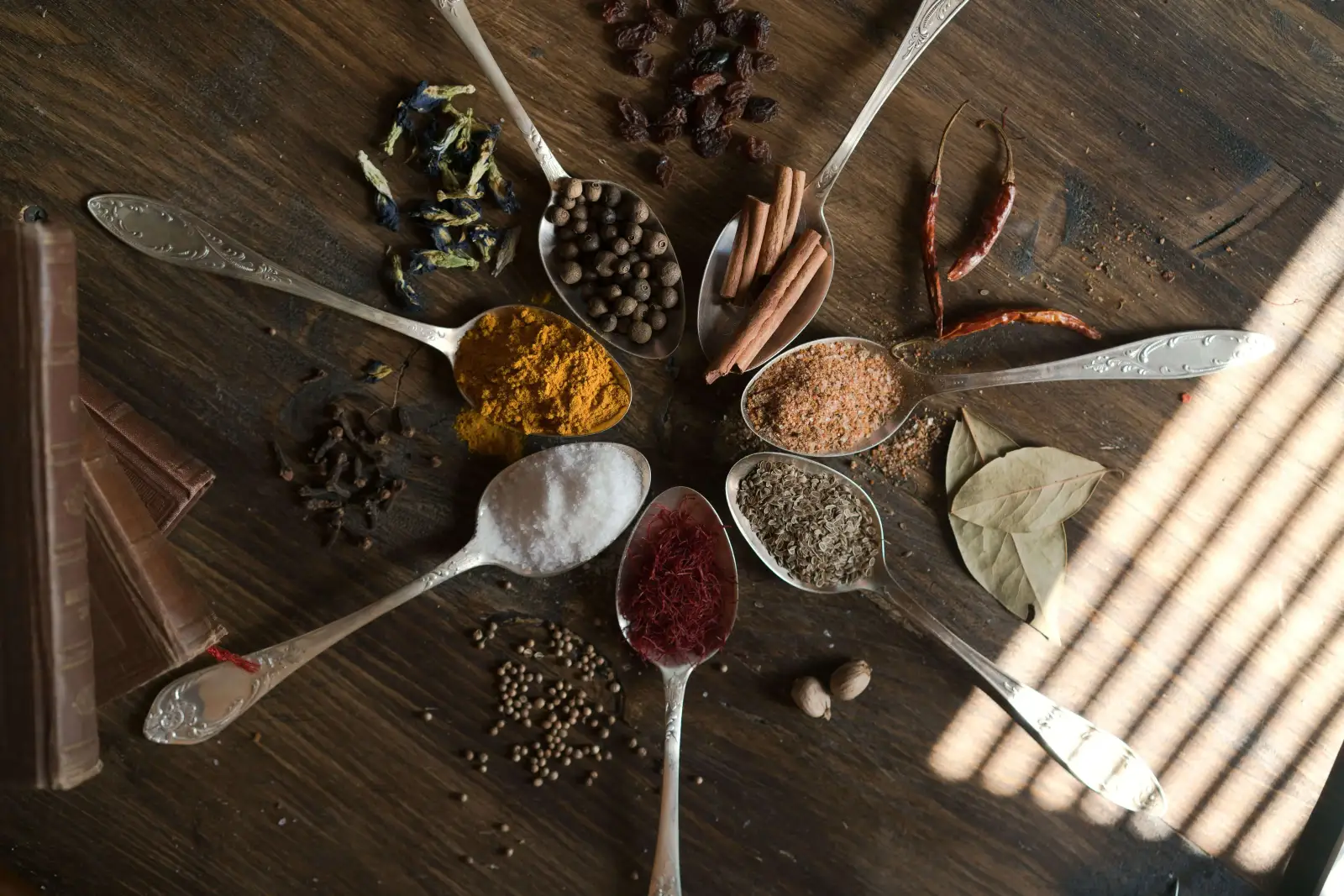
Ayurveda — usually translated as "the knowledge of life" (ayus, life; veda, knowledge) — is India's traditional system of medicine, with foundational texts such as the Charaka Samhita and Sushruta Samhita compiled roughly two thousand years ago and a living tradition of practice ever since. In India today it is a formally institutionalized system: Ayurvedic physicians complete a five-and-a-half-year medical degree, with postgraduate M.D. programs beyond it, under a dedicated government ministry for traditional medicine.
At its core, the tradition teaches that health is a state of balance — between the body's governing energies (the doshas), the digestive fire (agni), the tissues, and the mind — and that disease begins when that balance is disturbed and metabolic residue the texts call ama accumulates. Treatment, in this view, works in two directions: pacifying imbalances through diet, herbs, and routine, and periodically clearing accumulated imbalance through deeper cleansing protocols — which is where panchakarma enters.
Here is the part we insist on teaching plainly, because your trust matters more to us than a tidy story.
What the tradition says: the doshas are real functional energies; ama is a genuine substance that accumulates and seeds disease; panchakarma removes it and restores the body's self-regulating balance. This account is internally coherent, many centuries deep, and continues to guide millions of people and tens of thousands of trained physicians.
What science says: doshas and ama have no identified anatomical or biochemical basis, and the framework as a whole has not been validated by modern research methods. Individual pieces stand on firmer ground — several Ayurvedic herbs (turmeric, ashwagandha, boswellia among them) have shown promising results in clinical studies, and the lifestyle prescriptions (regular sleep, mindful eating, daily movement, oil massage) overlap comfortably with mainstream health advice. But well-designed trials of whole Ayurvedic protocols are few and mostly small, and the U.S. National Center for Complementary and Integrative Health classifies the evidence for Ayurveda's effectiveness as limited. One documented safety issue deserves plain mention: some Ayurvedic products — particularly certain metallic bhasma preparations sold online without oversight — have been found to contain lead, mercury or arsenic. This is precisely why herbs should come through a qualified physician from reputable sources, never from an unregulated internet supplier.
How we hold it: as a tradition worth taking seriously on its own terms, without dressing it up as settled science. You can respect a two-thousand-year-old system of observation — and benefit from its genuinely sensible practices — while being honest that its explanatory framework belongs to tradition, not to laboratories. That is the same standard we apply to the chakra system, and it is how Ayurveda is taught at our school.
The three doshas: Vata, Pitta, Kapha
The tridosha model is Ayurveda's central diagnostic lens. The tradition teaches that three functional energies — vata, pitta and kapha — govern all physical and mental processes, that every person is born with a unique proportion of them (your prakriti, or constitution), and that illness reflects a current deviation from that baseline (vikriti). Everything an Ayurvedic physician prescribes — food, herbs, routine, treatment — is chosen against this map.
Dosha | Traditional elements | Traditionally associated with | Said to govern | Traditional signs of excess |
|---|---|---|---|---|
Vata | Air + ether | Lightness, dryness, cold, movement, creativity, quick thinking | Movement: breath, circulation, nerve impulses, elimination | Anxiety, restlessness, dry skin, constipation, poor sleep, cracking joints |
Pitta | Fire + water | Heat, sharpness, intensity, ambition, strong digestion | Transformation: digestion, metabolism, body temperature, intellect | Irritability, acidity and heartburn, inflammation, skin rashes, impatience |
Kapha | Water + earth | Heaviness, stability, coolness, calm, endurance, loyalty | Structure: tissues, lubrication, immunity, emotional steadiness | Sluggishness, weight gain, congestion, attachment, low motivation |
Three honest notes on this table. First, the language matters: these are qualities the tradition associates with each dosha — a classical framework for reading a person, not categories modern physiology recognizes. Second, almost nobody is a single dosha; most constitutions are described as a blend of two, one leading. Third, be gently skeptical of five-minute online dosha quizzes: in classical practice, constitution is assessed by a physician through pulse reading, examination and a long conversation about your history, digestion, sleep and temperament — a quiz is entertainment by comparison, and at worst it sells you supplements for a type you may not have.
Used with humility, the dosha lens can still be practically useful — a perceptive vocabulary for one's tendencies: the racing-minded light sleeper, the driven type whose stomach keeps score of stress, the steady one who struggles with inertia. As a mirror for self-observation, it earns its keep regardless of what a laboratory would say.
Dinacharya and Ritucharya: the daily and seasonal routine
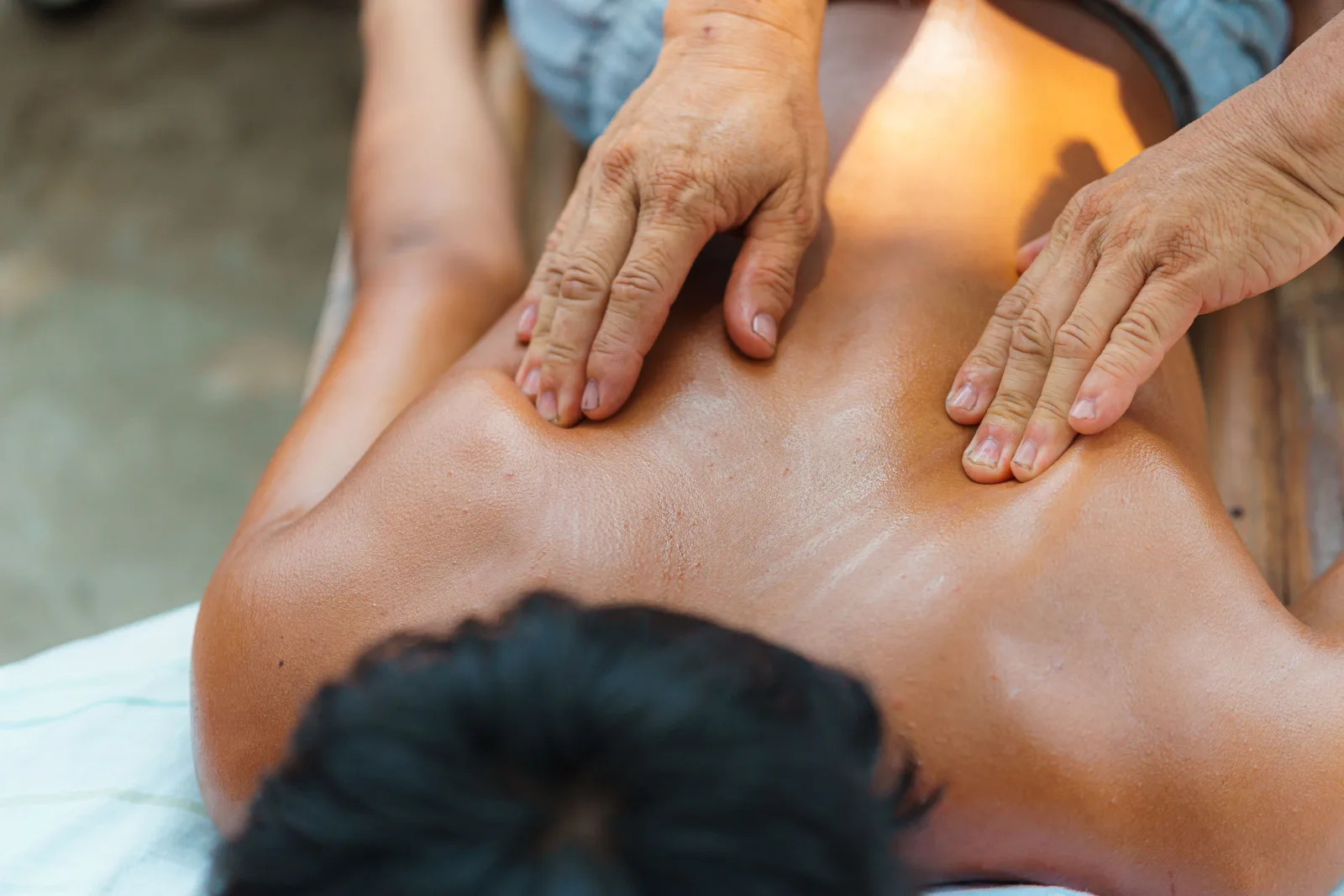
Before any talk of cleansing protocols, classical Ayurveda puts its weight somewhere far less glamorous: routine. The texts devote long chapters to dinacharya (daily routine) and ritucharya (seasonal adjustment), on the logic that health is built by what you do every ordinary day, not by what you do two weeks a year.
A traditional dinacharya, adapted to modern life:
Wake early, ideally before sunrise, at a consistent time.
Attend to elimination and hygiene — including the tongue scraping and oil-pulling practices the tradition is known for.
Self-massage with warm oil (abhyanga), followed by a warm shower. Even five minutes counts.
Move and breathe — traditionally yoga asana and pranayama; a few rounds of Surya Namaskar and a short breathing practice fit the prescription exactly.
Eat your largest meal at midday, when the tradition holds that digestive fire is strongest, and keep dinner lighter and earlier.
Wind down deliberately and sleep at a regular hour.
Ritucharya extends the same thinking across the year: lighter, drier food in the damp heaviness the tradition assigns to spring; cooling foods and gentler exercise in high summer; warm, grounding, oily nourishment in winter. The underlying claim — that the body does better when its habits track the season — is traditional; the practical output (eat seasonally, sleep regularly, adjust exercise to climate) is advice almost any modern clinician would co-sign.
We start here deliberately: if a school or resort talks to you about panchakarma before it talks to you about routine, it has reversed the tradition's own priorities.
What is panchakarma? The five actions
Panchakarma is classical Ayurveda's intensive cleansing and rebalancing protocol — the "five actions" that the tradition prescribes to actively expel accumulated doshas and ama from the body, rather than merely pacifying them with diet and herbs. The Charaka Samhita's canonical five are:
Vamana — therapeutic emesis (medically induced vomiting), traditionally prescribed for excess kapha conditions.
Virechana — therapeutic purgation using herbal laxatives, traditionally directed at pitta accumulation.
Basti — medicated enemas of herbal decoctions or oils, considered by the tradition its most important therapy, aimed chiefly at vata.
Nasya — administration of herbal oils or powders through the nose, traditionally for conditions of the head and senses.
Raktamokshana — bloodletting, historically by various means. Most modern centres, ours included, do not practice it; the Sushruta lineage counts it among the five, while the Charaka lineage instead distinguishes two forms of basti — a scholarly difference your physician can happily explain over tea.
Read that list again, slowly, because it corrects the biggest misunderstanding about panchakarma: these are serious medical procedures, not massages. The oil massage everyone associates with Ayurveda (abhyanga) and the warm oil poured on the forehead (shirodhara) are supporting and preparatory therapies — genuinely lovely ones — but they are not the five actions. A resort offering a "panchakarma day package" of massage and steam is selling the preparation phase and skipping the medicine.
Equally important: a genuine program never includes all five actions by default. The physician prescribes the specific actions your constitution and condition call for — many programs center on virechana and basti and use no vamana at all — which is why panchakarma without an individual medical assessment is a contradiction in terms.
The three phases of panchakarma
Every authentic program moves through three stages, and the pacing is the point — this is a protocol measured in weeks, not weekend slots.
1. Purvakarma — preparation. Days of snehana (oleation: internal ghee preparations and external oil massage such as abhyanga) and swedana (herbal steam therapy). In the tradition's language, this loosens deep-seated ama and draws it toward the digestive tract for removal. In anyone's language, it is several days of oil, warmth, rest and progressively lighter food that prepare the body for what follows.
2. Pradhanakarma — the main actions. The prescribed cleansing procedures themselves, administered on specific days with rest between, under the physician's ongoing supervision. Which actions, how many, and in what order is entirely individual — decided at consultation, adjusted as the program unfolds.
3. Paschatkarma — rest and rebuilding. The phase everyone underestimates and the tradition insists on. A graded diet (samsarjana krama) rebuilds digestion step by step from thin rice water back to normal meals; rest is prescribed as treatment, not as a gap between treatments; and rasayana (rejuvenating) herbs and practices consolidate the reset. Cutting this phase short is, in the tradition's view, how the benefits of everything before it are lost.
A complete arc typically runs 7 to 21 days or more, depending on what is prescribed. Anything dramatically shorter is either a partial program (which can be legitimate, if the physician frames it that way) or marketing.
The "detox" question, answered honestly
Almost every description of panchakarma you will read — including, inevitably, many in India — calls it a "detox." We'd rather be precise, because this is where honest tradition and dishonest marketing part ways.
What the tradition claims: that panchakarma physically expels accumulated doshas and ama — the tradition's disease-seeding residue — and that this removal is what restores health. Within Ayurveda's own framework, "detoxification" is a fair translation of the goal.
What science says: modern physiology has not identified ama, and the general claim that cleansing regimens remove unnamed "toxins" from the body is not supported by evidence — in healthy people, the liver and kidneys perform that role continuously. Research specifically on panchakarma exists, including small studies reporting improvements in wellbeing and quality-of-life measures, but the studies are few, small, and rarely controlled well enough to separate the protocol's specific effects from its considerable nonspecific ones. No one should tell you that panchakarma is scientifically proven to remove toxins, and no one should tell you it cures disease. It is not a treatment for cancer, diabetes, heart disease or any other diagnosed condition, and any centre that hints otherwise should lose your trust immediately.
What is honestly left when the overclaiming is stripped away? Quite a lot. Two to three weeks of physician-supervised rest; a radically simplified, freshly cooked diet; daily oil massage and warmth; early nights; no alcohol; and a structured re-entry into normal eating. Guests routinely report sleeping better, digesting more comfortably and feeling clearer — outcomes entirely plausible from the routine itself, whatever one concludes about ama. The tradition wraps these elements in its own explanatory language; you are free to take the explanation, the experience, or both.
How a genuine program works: the consultation-first model
Here is the test that separates real panchakarma from a spa menu, and it is the model we run at our own Ayurveda retreat in Rishikesh: nothing is prescribed until a physician has assessed you — and you cannot order treatments off a menu.
At Pure Soul Yoga School, every Ayurveda and panchakarma stay begins with a consultation with our Ayurvedic physician, Dr. Bhupinder Singh Arora (M.D. Ayurveda), who brings 16 years of panchakarma practice. He performs a dosha assessment — pulse reading, lifestyle analysis, a detailed conversation about your health history and any medications — and only then prescribes your protocol: which therapies, how many days of each phase, and what diet accompanies them. For panchakarma programs, this consultation is held online before you travel whenever the doctor is not on-site, so your protocol is ready when you arrive.
Because the protocol is individual, the pricing is too — and we think the honest way to charge for medicine is the way medicine is charged: your stay includes the doctor's consultation, your private room, dosha-specific meals, daily gentle yoga and one complimentary full-body massage; the prescribed therapies are then charged separately, so you pay only for what your body actually needs. No fixed "panchakarma package" of pre-sold treatments, because a package printed before the doctor has met you is a guess. Sometimes the honest prescription is fewer therapies and more rest — and Dr. Arora will tell you so.
Wherever you go — with us or anywhere else — carry this checklist: Is a qualified physician assessing you before anything is prescribed? Are the five actions distinguished from massage? Is the program long enough to include all three phases? Is anyone promising cures? Three yeses and a no is what genuine looks like.
Who panchakarma is for — and who should wait
Panchakarma is traditionally framed as both periodic maintenance for the healthy and supportive care for the imbalanced — but it is an intensive protocol, and the screening consultation exists precisely because it is not for everyone at every moment.
It tends to suit adults in reasonable general health who can commit to the full duration, a strict simple diet, and genuine rest — no working remotely between treatments, no trekking on cleansing days — and who want to reset habits around food, sleep and stress.
The physician will be cautious or advise against it — traditionally and sensibly — during pregnancy and menstruation (for certain procedures), in cases of significant frailty or advanced age without adequate strength, during acute illness or infection, and with serious cardiac conditions, uncontrolled blood pressure or diabetes, or recent surgery. If you take regular medication or live with a chronic condition, say so when you book and again at consultation: prescribed medical treatment continues — Ayurveda here is a complement, never a substitute — and the protocol is adapted around your reality or, sometimes, honestly postponed.
If the full protocol isn't right for you or your calendar, the gentler end of the tradition — an Ayurvedic retreat built on routine, diet, abhyanga and rest, without the intensive cleansing actions — delivers much of what most stressed modern bodies are actually asking for.
Frequently asked questions
What happens in panchakarma treatment?
A physician assesses your constitution and health, then prescribes an individual protocol through three phases: preparation (oil massage, internal oleation and herbal steam on a progressively lighter diet), the main prescribed cleansing actions (commonly purgation and medicated enemas; sometimes nasal therapy or emesis), and a rest-and-rebuilding phase with a graded return to normal food — all adjusted by the physician throughout.
What are the three phases of panchakarma?
Purvakarma (preparation: oleation and steam), Pradhanakarma (the main prescribed actions), and Paschatkarma (rest, graded diet and rejuvenation). All three are essential in the tradition — a program that skips preparation or aftercare isn't a shortcut, it's a different and lesser thing.
How long does panchakarma treatment last?
A genuine program typically runs 7 to 21 days or more, depending on what the physician prescribes; classical texts often favor the longer end. A focused 7-day program is a legitimate minimum for some situations. One- or two-day "panchakarma packages" are massage-and-steam experiences borrowing the name.
What are the disadvantages of panchakarma?
Honest ones: it demands significant time and money; the main procedures are intensive and can be uncomfortable; the diet is strict; its central "detoxification" claim is traditional rather than scientifically established; and without proper medical screening, procedures like emesis and purgation carry real risk. Poorly sourced herbal products are a further documented hazard. Every one of these is an argument for physician-led programs and against bargain packages.
How do I determine my dosha in Ayurveda?
Traditionally, through assessment by an Ayurvedic physician — pulse reading, examination, and a detailed history of your digestion, sleep, energy and temperament — which distinguishes your lifelong constitution (prakriti) from your current state (vikriti). Online quizzes can be a fun introduction to the vocabulary, but they regularly mislabel people and are frequently attached to supplement sales; hold their verdicts loosely.
How do I know if I am vata, pitta or kapha?
Almost certainly a blend — the tradition holds that most people have two prominent doshas with one leading. Broad classical patterns: predominantly vata types tend light, quick, creative, cold-sensitive and changeable; pitta types run warm, sharp, driven and strong-digesting; kapha types are steady, strong, calm and slow to change. A physician's assessment is the traditional way to say anything more precise.
What is the rarest dosha type?
The tradition considers the perfectly balanced tridoshic constitution — all three doshas in equal measure — the rarest and, classically, the most fortunate. There is no scientific census of dosha types, since the categories themselves are traditional, so treat any percentage you read as folklore.
What is the 80/20 rule in Ayurveda?
It isn't classical — you won't find an "80/20 rule" in the Charaka Samhita. It's modern shorthand, usually for "stop eating when about 80% full." The classical version is more specific: fill the stomach roughly half with food, a quarter with liquid, and leave a quarter empty for digestion to do its work.
If you want to experience the real thing
Reading about Ayurveda is one kind of understanding; living its routine beside the Ganga is another. If the gentler side calls you — routine, dosha-specific food, abhyanga, rest — begin with our Ayurveda Retreat in Rishikesh. If you're considering the full protocol, the Panchakarma Retreat in Rishikesh runs exactly as this article describes: consultation first with Dr. Arora, a protocol prescribed for your constitution, all three phases honored, and honest answers at every step — starting with whether panchakarma is even what your body needs right now. Send us your dates and health goals, or ask us anything on WhatsApp; a real human answers, usually within hours.
References
National Center for Complementary and Integrative Health (NCCIH) — Ayurvedic Medicine: In Depth (evidence overview and product-safety findings on heavy metals).
Charaka Samhita and Sushruta Samhita — classical source texts for tridosha theory and the five actions (Sutrasthana and Kalpasthana/Siddhisthana sections).
Vagbhata — Ashtanga Hridayam (classical synthesis; dinacharya and ritucharya chapters).
Peer-reviewed pilot research on panchakarma-based interventions and wellbeing/quality-of-life outcomes (PMC-indexed studies; small samples, limited controls — cited as preliminary).
Reviewed for accuracy by Dr. Bhupinder Singh Arora (M.D. Ayurveda), consulting Ayurvedic physician at Pure Soul Yoga School, with 16 years of panchakarma practice. This article is educational and not a substitute for personal medical advice.
Author note (byline): Gangesha Adi (E-RYT 500) founded Pure Soul Yoga School in Rishikesh, where yoga philosophy and Ayurveda are taught side by side — and where every Ayurvedic therapy on campus begins with Dr. Arora's consultation, never with a menu.