Yoga Asanas: The Complete Pose Library with Names
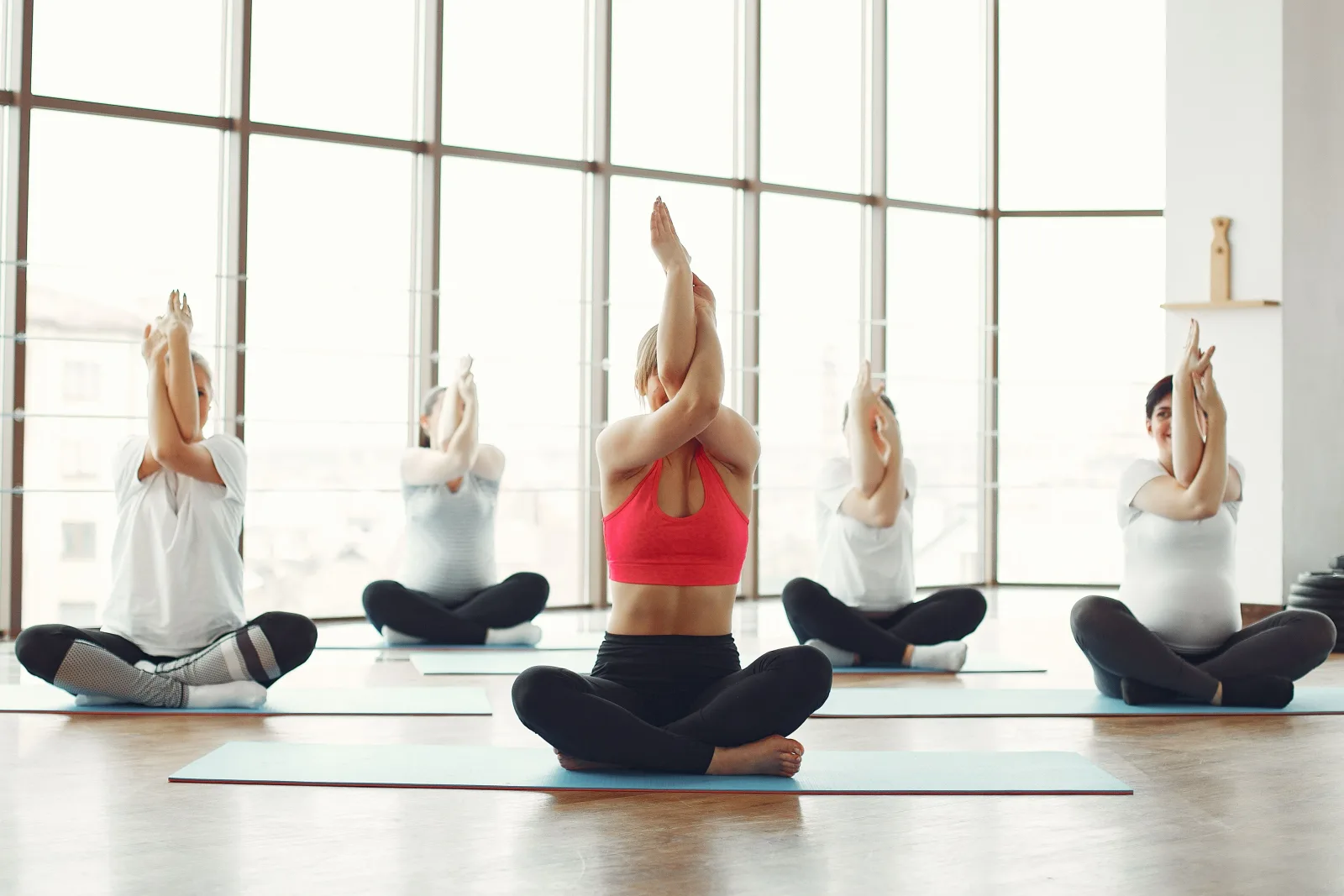
Yoga asanas are the physical postures of yoga — asana literally means "seat" in Sanskrit, and the classical definition, from Patanjali's Yoga Sutras, is simply a position that is steady and comfortable (sthira sukham asanam). How many are there? The honest answer: tradition speaks of 84 classical asanas, the medieval manuals describe far fewer in detail, and modern practice uses several hundred named variations. Nobody needs all of them. What you need is a clear map — and that is what this page is.
Below you'll find every pose in our library, organised into seven categories, each with its English name, Sanskrit name, what it actually does, and an honest difficulty level. Start with the 12 basic asanas if you want the classical foundation, or jump straight to a category.
Jump to a category: Standing · Seated & Twists · Forward Bends · Backbends · Inversions · Arm Balances & Strength · Supine & Restorative · Surya Namaskar
What is a yoga asana, exactly?
An asana is more than a stretch. In the classical understanding, it is a posture you can hold with a steady body and a quiet breath — the physical doorway into the rest of yoga practice. That's why the same pose done hurriedly is exercise, and done with attention becomes yoga.
This distinction matters practically, too. Every pose in the tables below lists what it does in body terms, because that's useful — but at our school in Rishikesh we teach each asana with equal weight on breath and attention. A wobbling tree pose with a calm breath is better yoga than a perfect one held in tension.
How many yoga asanas are there?
You will see three different numbers, and all of them are true in their own way:
84 — the number named in the Hatha Yoga Pradipika, which says Shiva taught 84 asanas. It's best understood as a traditional, symbolic count; no single authoritative list of the 84 survives.
15 and 32 — what the classical manuals actually describe in detail: the Hatha Yoga Pradipika teaches 15 asanas, and the Gheranda Samhita describes 32 as "the best" for humankind.
Several hundred — what modern global yoga uses once you count named variations. New shapes are still being named today.
So when someone asks "how many yoga poses are there?", the most truthful reply is: 84 by tradition, a few dozen by the classical texts, hundreds in modern practice — and about 10 to 15 matter for a beginner. This library covers the 30 asanas we teach and write about in depth, which span all seven major categories.
The 12 basic asanas
The most-asked question about asanas is "what are the 12 basic ones?" — and it refers to a classical teaching sequence used in traditional hatha yoga schools for generations. The set moves deliberately through inversions, backbends, forward bends, a twist, a balance and a standing pose, with each posture preparing or countering the one before. Presented in its traditional order:
# | Asana | English name |
|---|---|---|
1 | Sirsasana | Headstand |
2 | Sarvangasana | Shoulderstand |
3 | Halasana | Plough Pose |
4 | Matsyasana | Fish Pose |
5 | Paschimottanasana | Seated Forward Bend |
6 | Bhujangasana | Cobra Pose |
7 | Shalabhasana | Locust Pose |
8 | Dhanurasana | Bow Pose |
9 | Ardha Matsyendrasana | Half Spinal Twist |
10 | Kakasana or Mayurasana | Crow Pose or Peacock Pose |
11 | Pada Hastasana | Standing Forward Bend |
12 | Trikonasana | Triangle Pose |
Two honest notes on this list. First, it begins with the headstand — which tells you it was designed as a teaching sequence for students working with a teacher, not a beginner's home routine. If you're new, learn it back to front: triangle and standing forward bend first, headstand last, ideally with someone watching your alignment. Second, this is one classical set among several; other traditions count their "basics" differently, which is why you'll also find lists of 7, 10, or 12 that don't quite match. All of them are fingers pointing at the same moon: a balanced spread of categories.
How asana names work (a 2-minute Sanskrit lesson)
Sanskrit pose names look intimidating until you notice they're built from a small set of repeating parts. Every name ends in -asana (pose), and the front half describes either a shape, an animal, a number of limbs, or a sage from yoga's history:
Sanskrit element | Meaning | Example |
|---|---|---|
adho / urdhva | downward / upward | Adho Mukha Svanasana — downward-facing dog |
ardha | half | Ardha Matsyendrasana — half spinal twist |
eka pada | one leg/foot | Eka Pada Rajakapotasana — one-legged king pigeon |
supta | reclining | Supta Padangusthasana — reclining hand-to-toe |
salamba | supported | Salamba Sarvangasana — supported shoulderstand |
baddha | bound | Baddha Konasana — bound angle (butterfly) |
Animals & objects | — | Bhujanga (cobra), Vriksha (tree), Dhanu (bow), Hala (plough) |
Sages & deities | — | Matsyendra, Marichi — poses honouring yoga's early teachers |
Learn these fragments and the library below stops being a memory test — you can read most pose names on sight. In our teacher training, students usually have the naming system down within the first week, mostly by accident.
The types of yoga asanas: how this library is organised
Every asana ever named fits into a small number of families, defined by the body's relationship to gravity and the direction the spine moves. This library uses seven categories — the same framework we teach in training, because once you understand the types, any individual pose makes sense on sight:
Type | What defines it | What it mainly gives you |
|---|---|---|
Standing | Weight on the feet, spine upright or angled | Leg strength, balance, foundational alignment |
Seated & twists | Weight on the sitting bones; includes spinal rotations | Hip mobility, spinal rotation, a stable meditation seat |
Forward bends | Spine folding toward the legs | Back-body length, a calming, inward quality |
Backbends | Spine extending, front body opening | Chest and hip-flexor opening, spinal strength, energy |
Inversions | Heart above the head | Balance, circulation shift, composure under novelty |
Arm balances & strength | Weight borne by the hands and core | Upper-body and core strength, focus |
Supine & restorative | Lying down, supported | Safe deep stretching, nervous-system recovery |
A balanced session touches most of these families — which is exactly what the classical sequences (including the 12 basic asanas above and Surya Namaskar below) are quietly engineered to do. If your practice lives entirely in one or two categories, the missing ones are usually where your body most needs to go.
Which asanas should a beginner start with?
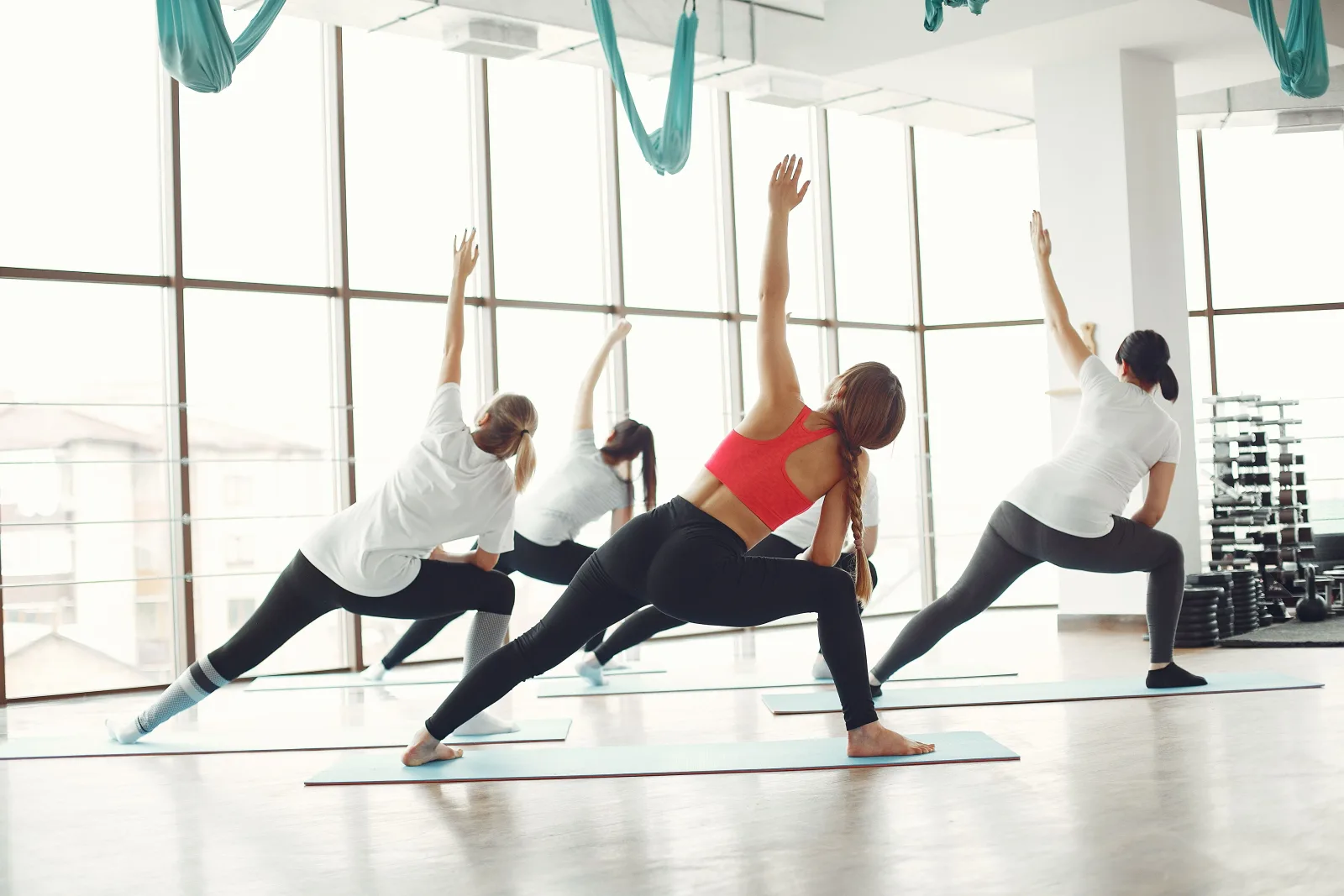
If the tables below feel like a lot, start here. These eight basic yoga poses — all marked Beginner in the library — cover every category a new practitioner needs, in an order that makes sense as a mini-practice:
Tadasana (standing foundation)
Vrikshasana (balance)
Adho Mukha Svanasana (full-body stretch)
Bhujangasana (gentle backbend)
Pada Hastasana (standing forward bend)
Baddha Konasana (hip opener)
Sukhasana (seated breathing)
Shashankasana (rest)
Practice them slowly, five breaths each, most days of the week — then let the library grow your practice from there. When a pose in the tables catches your interest, that's your body volunteering for homework.
Standing asanas
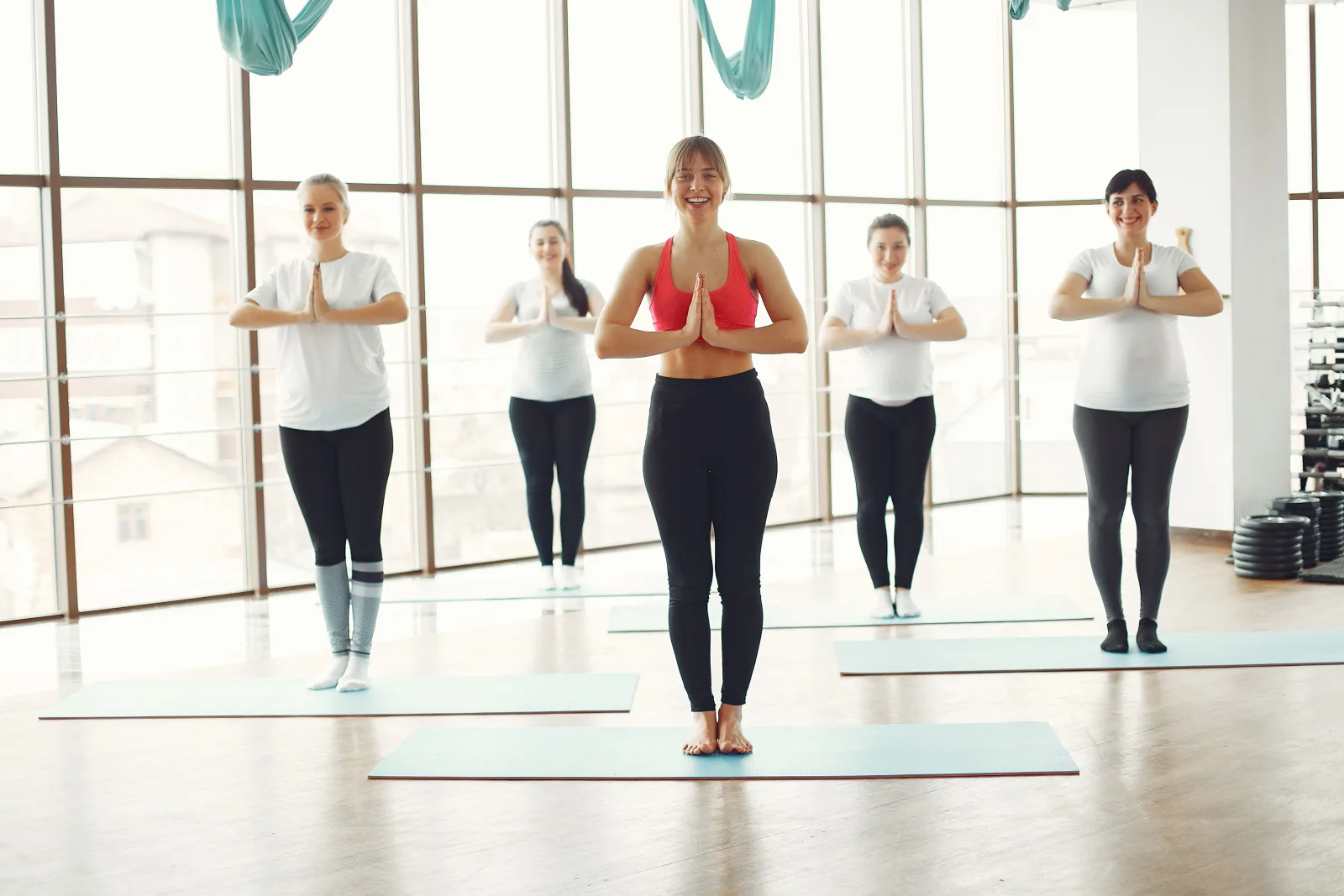
Standing poses are where nearly every tradition starts you, and for good reason: they build the leg strength, balance and body-awareness that every other category depends on. They're also the safest place to learn alignment, because the floor is never far away.
English name | Sanskrit | What it does | Level |
|---|---|---|---|
Mountain Pose | Tadasana | The baseline standing posture — teaches even weight, tall spine and quiet effort; every standing pose begins here | Beginner |
Tree Pose | Vrikshasana | Single-leg balance that builds ankle stability, hip strength and steady focus | Beginner |
Warrior Pose | Virabhadrasana (I & II) | Strong lunging shapes that build leg stamina and open the hips and chest | Beginner |
Trikonasana | Long side-body stretch over a wide base — opens hamstrings and hips while training balance | Beginner | |
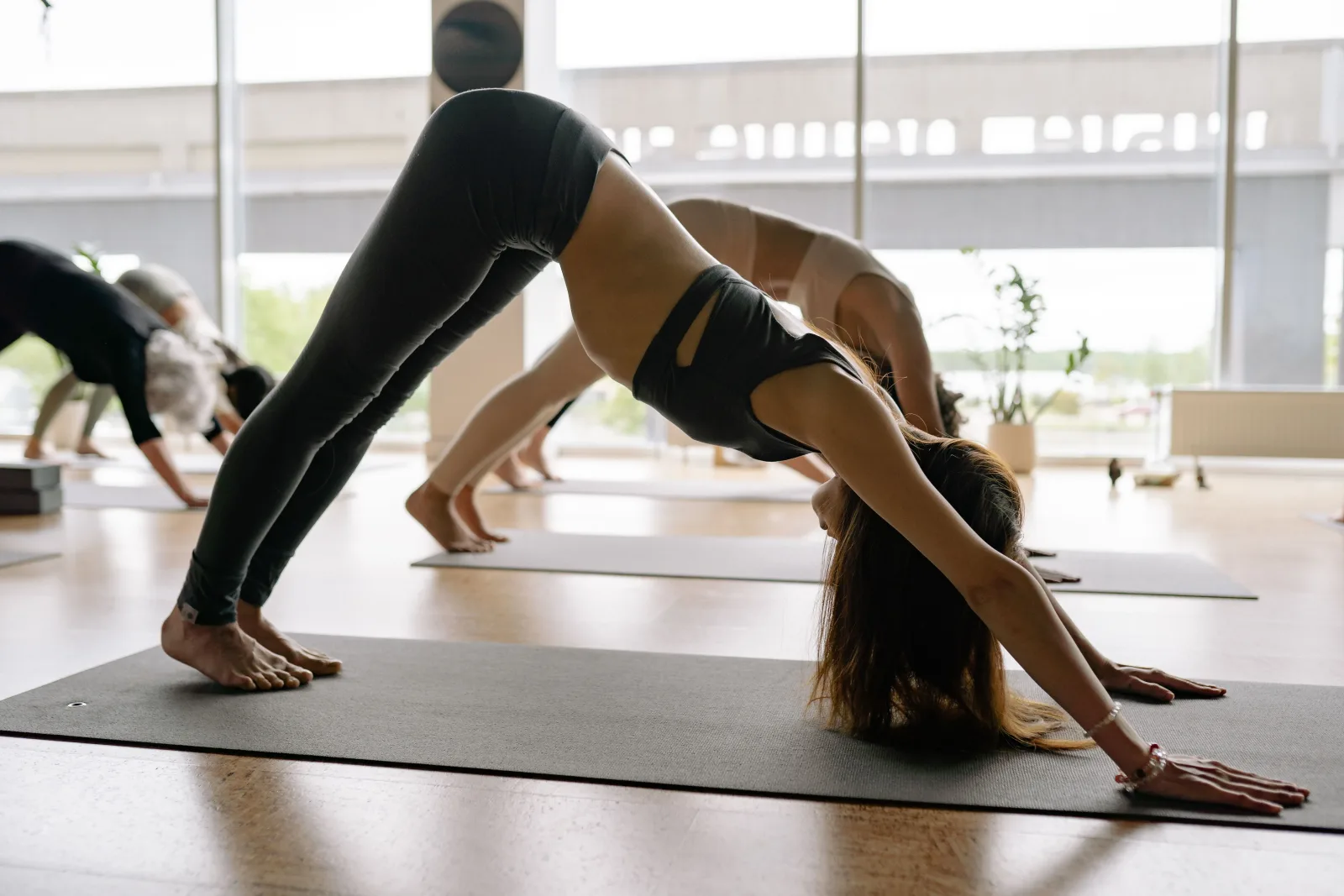
Downward-Facing Dog | Adho Mukha Svanasana | Part forward bend, part gentle inversion — stretches the whole back body and builds shoulder strength | Beginner |
A tip from our teaching hall: most students rush past tadasana because "it's just standing". Hold it for ten slow breaths with real attention and you'll understand why it's the template for every pose in this library.
Seated asanas & twists
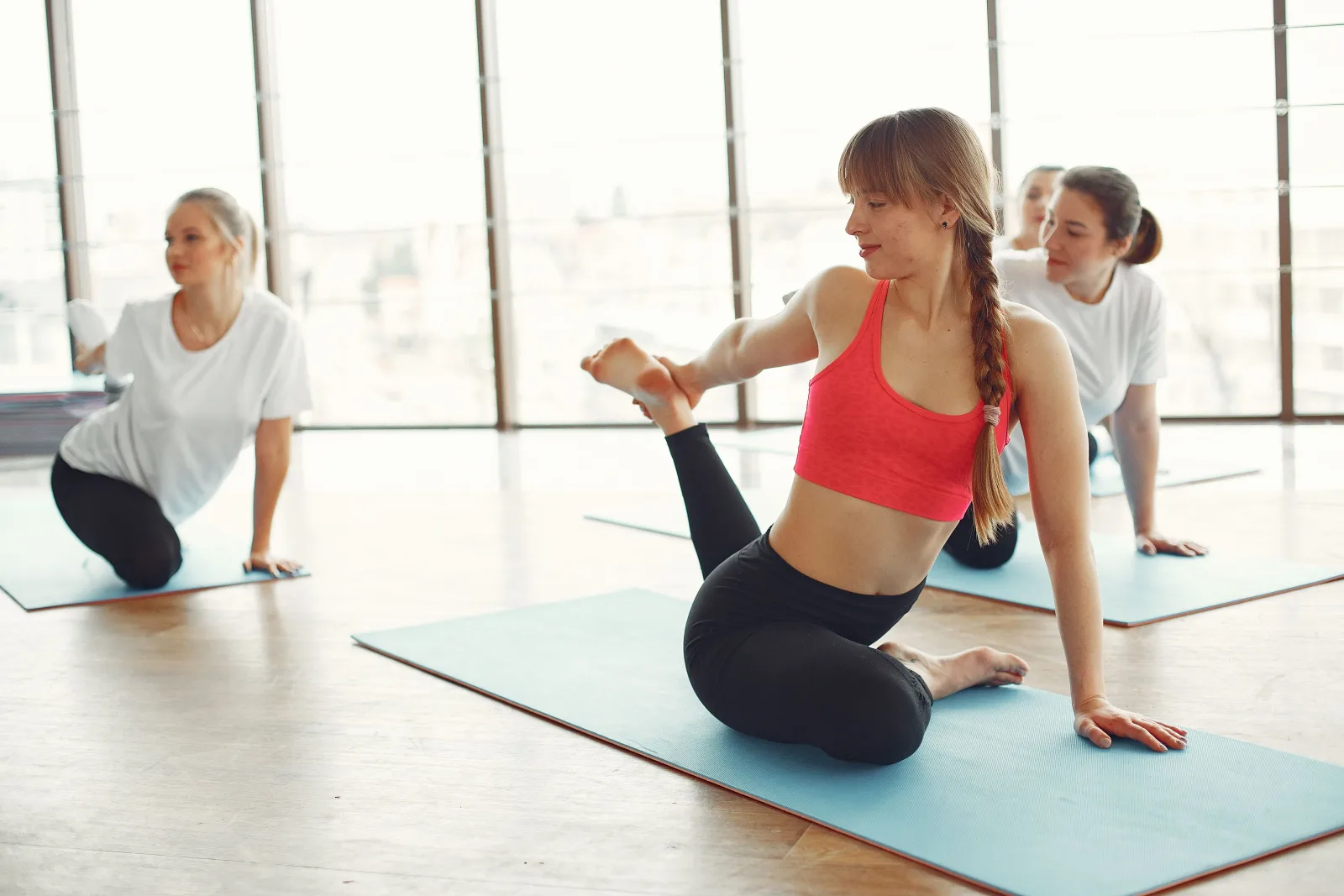
Seated poses do two jobs. The simple seats (sukhasana, vajrasana) are platforms for breathing and meditation practice — steadiness is the whole point. The folds, openers and twists work into the hips and spine, which is where modern chair-shaped life stores most of its stiffness.
English name | Sanskrit | What it does | Level |
|---|---|---|---|
Easy Pose | Sukhasana | The simple crossed-leg seat used for pranayama and meditation | Beginner |
Vajrasana | Kneeling seat, traditionally taken after meals; a steady base for breathing practice | Beginner | |
Butterfly Pose | Baddha Konasana | Soles together, knees wide — opens inner thighs and hips; a staple in prenatal and yin practice | Beginner |
Garland Pose | Malasana | Deep squat that restores the hip and ankle mobility chairs quietly take away | Beginner |
Frog Pose | Mandukasana | Kneeling fold with fists at the belly, traditionally associated with digestion | Beginner |
Lion Pose | Simhasana | Kneeling pose with the famous roaring exhale — releases jaw, face and throat tension | Beginner |
Half Spinal Twist | Ardha Matsyendrasana | The classical seated twist — rotates the whole spine, segment by segment | Intermediate |
Sage's Twist | Marichyasana | Bound seated twist named for the sage Marichi; deepens rotation and shoulder opening | Intermediate |
Pigeon Pose | Eka Pada Rajakapotasana (prep) | Deep opener for the outer hips and glutes — intense, and worth approaching patiently | Intermediate |
A cultural note students from abroad often find interesting: in India, sitting on the floor is still daily life, so many Indian beginners find this category easy and the standing poses hard — while Western students are usually the exact opposite. Neither is "better at yoga". Bodies simply carry their habits.
Forward bends
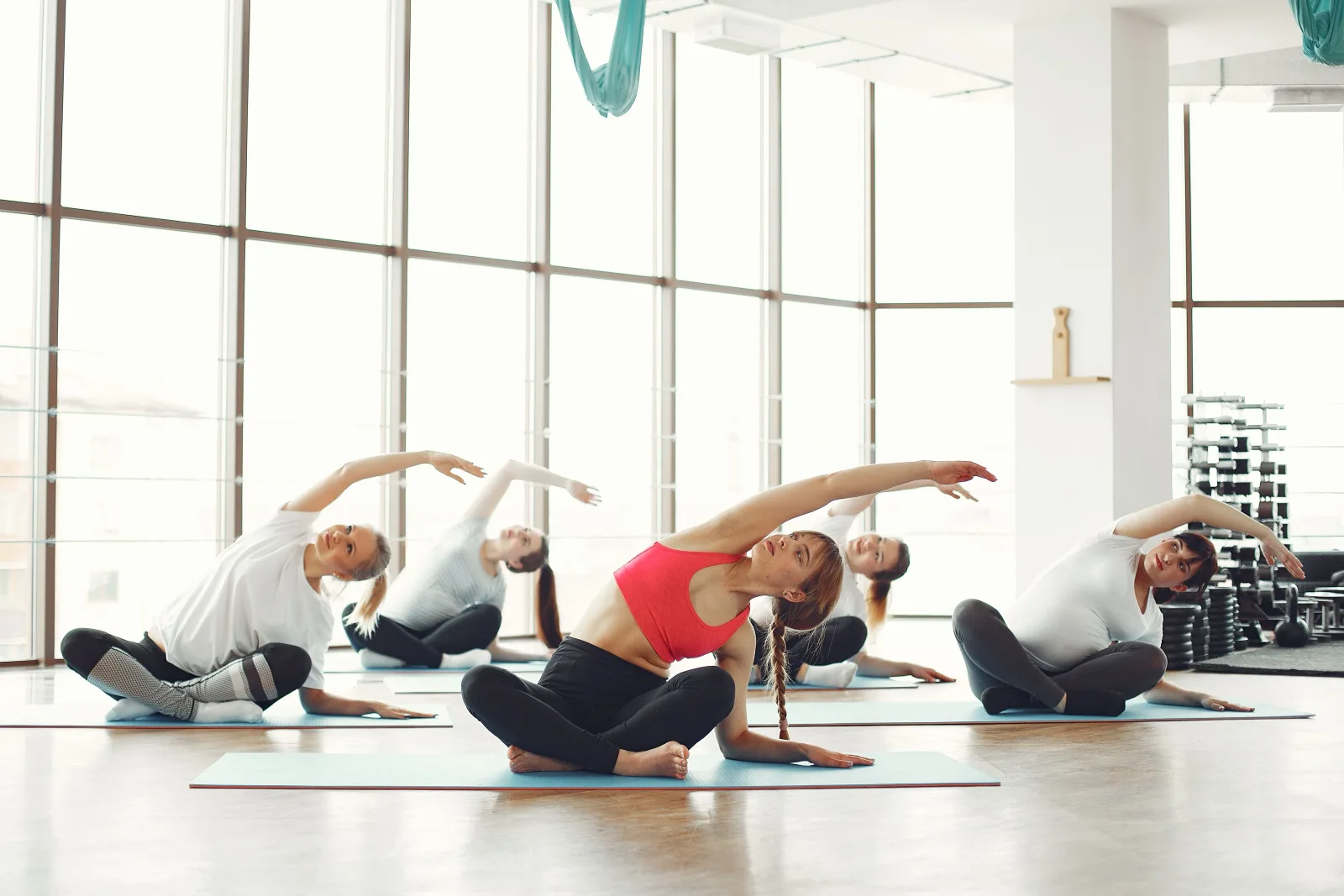
Forward bends stretch the entire back line of the body — heels to neck — and they carry a quality the other categories don't: they turn you inward. Traditionally they're considered calming, which matches what most practitioners feel. The non-negotiable rule: fold from the hips, not by rounding the lower back, and let the knees bend as much as your hamstrings ask.
English name | Sanskrit | What it does | Level |
|---|---|---|---|
Standing Forward Bend | Pada Hastasana | Standing fold with hands beneath the feet — lengthens the hamstrings and entire back body | Beginner |
Seated Forward Bend | Paschimottanasana | The classical seated fold over straight legs — literally "stretch of the west (back) side" | Beginner |
Hare Pose | Shashankasana | Restful kneeling fold from vajrasana — a quieting shape and gentle counter-pose | Beginner |
Backbends
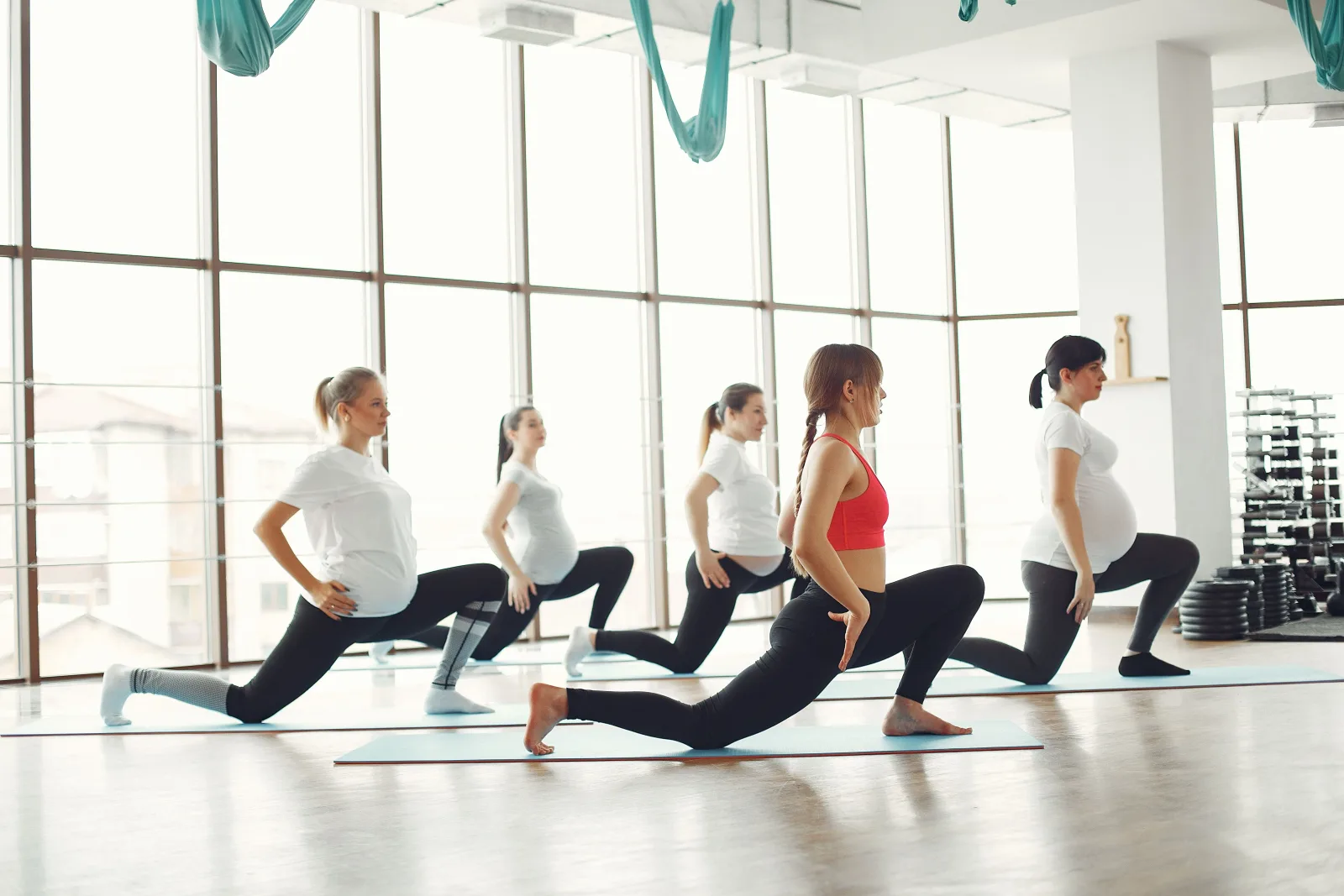
Backbends are the antidote category: modern posture folds us forward all day, and these poses open exactly what that closes — the chest, the shoulders, the front hips. They are also energising, which is why we sequence them in the middle of practice, not at the end. Build them gradually: cobra and locust are the foundations that make bow, camel and wheel possible.
English name | Sanskrit | What it does | Level |
|---|---|---|---|
Bhujangasana | The foundational prone backbend — strengthens the spinal muscles and opens the chest | Beginner | |
Locust Pose | Shalabhasana | Prone lift of legs and chest — builds the back-body strength every deeper backbend depends on | Beginner |
Bow Pose | Dhanurasana | Holding the ankles, the body curves like a strung bow — opens shoulders and hip flexors together | Intermediate |
Camel Pose | Ustrasana | Kneeling backbend reaching for the heels — a deep chest and front-hip opener | Intermediate |
Wheel Pose | Chakrasana (Urdhva Dhanurasana) | The full backbend pressing up from the floor — demands open shoulders, strong arms and patient preparation | Advanced |
Inversions
Inversions — poses where the heart sits higher than the head — are the most respected category in the classical tradition: the texts call sirsasana the "king" and sarvangasana the "queen" of asanas. They are also the category where self-teaching from the internet goes wrong most often. Please learn these with a qualified teacher; the neck is not a joint to experiment on.
English name | Sanskrit | What it does | Level |
|---|---|---|---|
Sirsasana | The full inversion balanced on forearms and crown — builds strength, balance and composure; teacher required | Advanced | |
Sarvangasana | "The all-limbs pose" — a supported inversion resting on the shoulders, traditionally paired with fish pose after | Intermediate | |
Plough Pose | Halasana | Legs sweep over the head to the floor behind — a deep stretch for the spine and neck, usually entered from shoulderstand | Intermediate |
If you want inversions without the risk while you build up: downward-facing dog and standing forward bend are both mild inversions, and legs-up-the-wall gives most of the restful benefit with none of the loading.
Arm balances & strength
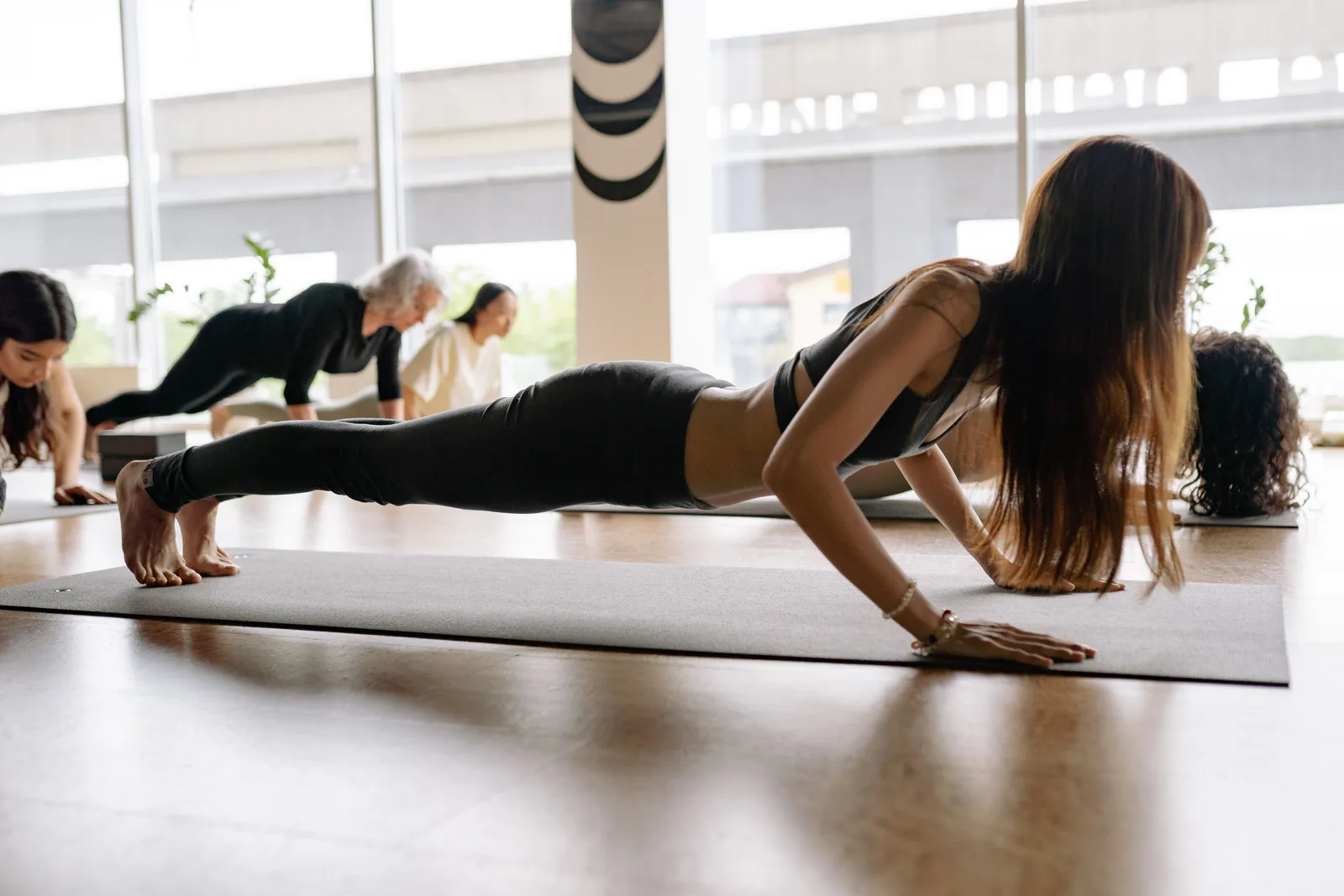
This category is where asana overlaps with pure strength work — and where ego causes the most injuries. The honest sequence is: learn chaturanga properly (most people's "chaturanga" is a sagging push-up), build the core with navasana, and only then chase the showpiece balances like mayurasana. In our advanced training this category gets its own dedicated module, because teaching it safely is genuinely hard.
English name | Sanskrit | What it does | Level |
|---|---|---|---|
Four-Limbed Staff Pose | Chaturanga Dandasana | The low push-up transition of vinyasa practice — builds arm, shoulder and core control | Intermediate |
Boat Pose | Navasana | The seated V-balance — the most efficient core builder in the asana catalogue | Intermediate |
Peacock Pose | Mayurasana | The body hovers horizontal over the bent elbows — a classical strength benchmark described in the old manuals | Advanced |
Supine & restorative asanas
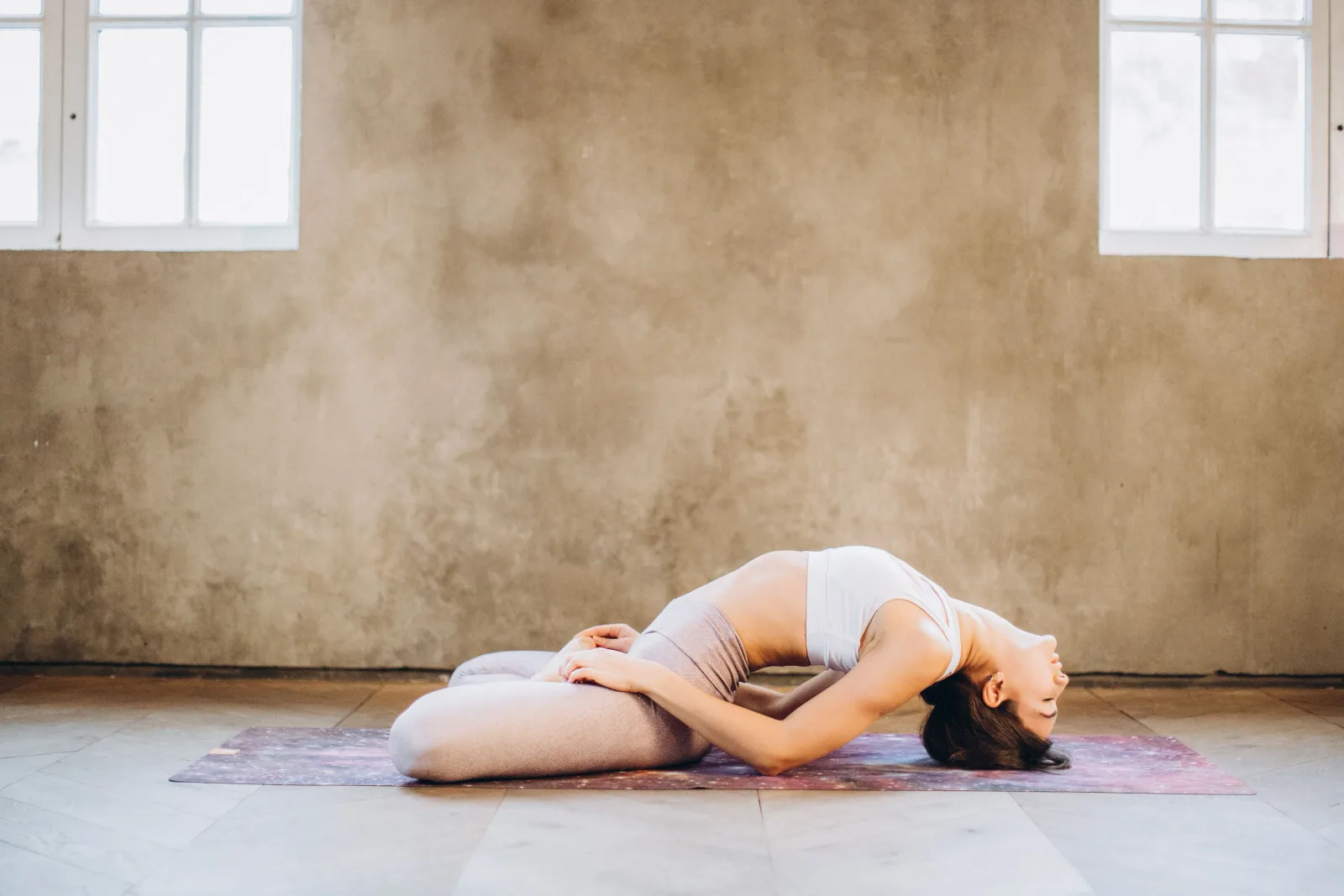
Lying-down poses are the most underrated category. Some, like supta padangusthasana, are simply the safest way to stretch — the floor holds your alignment for you. Others exist to close a practice: to let the nervous system absorb what the body has done. If your practice always skips the quiet poses at the end, it's a workout with Sanskrit names.
English name | Sanskrit | What it does | Level |
|---|---|---|---|
Reclining Hand-to-Big-Toe Pose | Supta Padangusthasana | Lying hamstring stretch, ideally with a strap — deep opening with a fully protected back | Beginner |
Fish Pose | Matsyasana | Reclining chest-opener arching the upper back — the traditional counter-pose to shoulderstand | Intermediate |
And yes — savasana, the final resting pose, belongs to this family too. It has no table row here because it needs no instruction beyond the honest one: lie down, stay awake, do nothing. It is the pose students resist for a week and then miss for the rest of their lives.
Surya Namaskar — the sequence that ties it together
One entry in any asana library is not a pose at all: Surya Namaskar (Sun Salutation) is a flowing sequence of 12 positions, linked one breath per movement — and several of its positions (pada hastasana, bhujangasana, downward dog) are poses from the tables above. It is the single most practical piece of yoga to learn, because it strings flexibility, strength and breath-work into a few minutes of practice you can do anywhere.
We've given it the full treatment it deserves — all 12 steps with breath cues, benefits, rounds and cautions — in our guide to Surya Namaskar benefits and the 12 steps.
How to practice asanas safely
A pose library is a map, not a licence. Five rules we hold every student to, from first class to teacher graduation:
Pain is information, not achievement. Stretch sensation: fine. Sharp, pinching or radiating pain: come out, always.
Warm up before deep shapes. Backbends, twists and hip openers on a cold body is how "yoga injuries" happen. A few rounds of Surya Namaskar first changes everything.
Counter-pose deliberately. After a deep backbend, fold gently; after shoulderstand, take fish pose. The classical sequences are built on this logic — borrow it.
Respect the advanced column. Headstand, wheel and peacock reward patience and punish shortcuts. Learn them with a teacher's eyes on you.
The breath is the gauge. If you cannot breathe smoothly in a pose, you have gone further than your body can honestly go today. This single rule prevents more injuries than any anatomy lecture.
If you have a medical condition, an injury, or you're pregnant, work with a qualified teacher and check with your doctor before taking on the stronger categories — especially inversions and deep backbends.
Learning asanas properly — beyond a library page
Here is the limit of every pose library, including this one: a table can tell you what a pose does, but not what your pose needs. That requires a teacher who can see you — which is why asana education is the heart of our 200-hour yoga teacher training in Rishikesh, where every posture in this library is taught, practiced daily, and studied from the inside: alignment, adjustment, anatomy and the traditional context, in batches of maximum 20 students so nobody's knees or shoulders go unseen. The advanced categories — the deeper backbends, inversions and arm balances — get their full development in the 300-hour training. And you don't need to want to teach to train; many of our students come simply to finally learn their own practice properly. All programs are at /courses.
Frequently asked questions
What are the 12 basic asanas?
A classical teaching sequence taught in traditional hatha schools: headstand, shoulderstand, plough, fish, seated forward bend, cobra, locust, bow, half spinal twist, crow (or peacock), standing forward bend and triangle. See the full table above — and note it's a teacher-led sequence, not a beginner's starting order.
What are the 84 yoga poses?
"84 asanas" is the traditional count from the Hatha Yoga Pradipika, which says Shiva taught 84 postures — but no single authoritative list of all 84 survives; the text itself describes only 15, and the Gheranda Samhita 32. Treat 84 as yoga's symbolic way of saying "many", not a checklist to complete.
What are the 7 types of yoga asanas?
The seven working categories used on this page: standing poses, seated poses & twists, forward bends, backbends, inversions, arm balances & strength poses, and supine/restorative poses. Every named asana fits at least one of these families, and a balanced practice draws from most of them.
What are the 10 most popular yoga poses?
By any honest measure of what's actually practiced worldwide: mountain, downward-facing dog, cobra, tree, triangle, warrior, seated forward bend, easy pose, child's/hare pose and savasana. All ten are beginner-accessible, and eight of them are in the tables above with full details.
How many asanas should a beginner learn?
Ten to fifteen, learned well, is genuinely enough for a complete practice — roughly the beginner rows of this library plus Surya Namaskar to connect them. Depth beats collection: a student with 12 well-understood poses has a better practice than one with 60 half-known ones.
Keep this page — and go deeper when ready
Bookmark this library; it will grow as we publish full guides for each pose, with steps, mistakes and modifications. And if reading about asanas has you wanting to finally understand them — in your own body, with teachers beside you, in the town where this tradition lives — that's exactly what a month at our school is for. Explore the 200-hour teacher training or all courses, or message us on WhatsApp with any question. Real humans answer.
References
Patanjali — Yoga Sutras, II.46 (sthira sukham asanam — the classical definition of asana).
Svatmarama — Hatha Yoga Pradipika (the 84-asanas tradition; 15 asanas described).
Gheranda Samhita (32 asanas described as foremost).
Author note (byline): Gangesha Adi (E-RYT 500) has taught every asana in this library — from tadasana to mayurasana — to students of 50+ nationalities at Pure Soul Yoga School in Rishikesh.